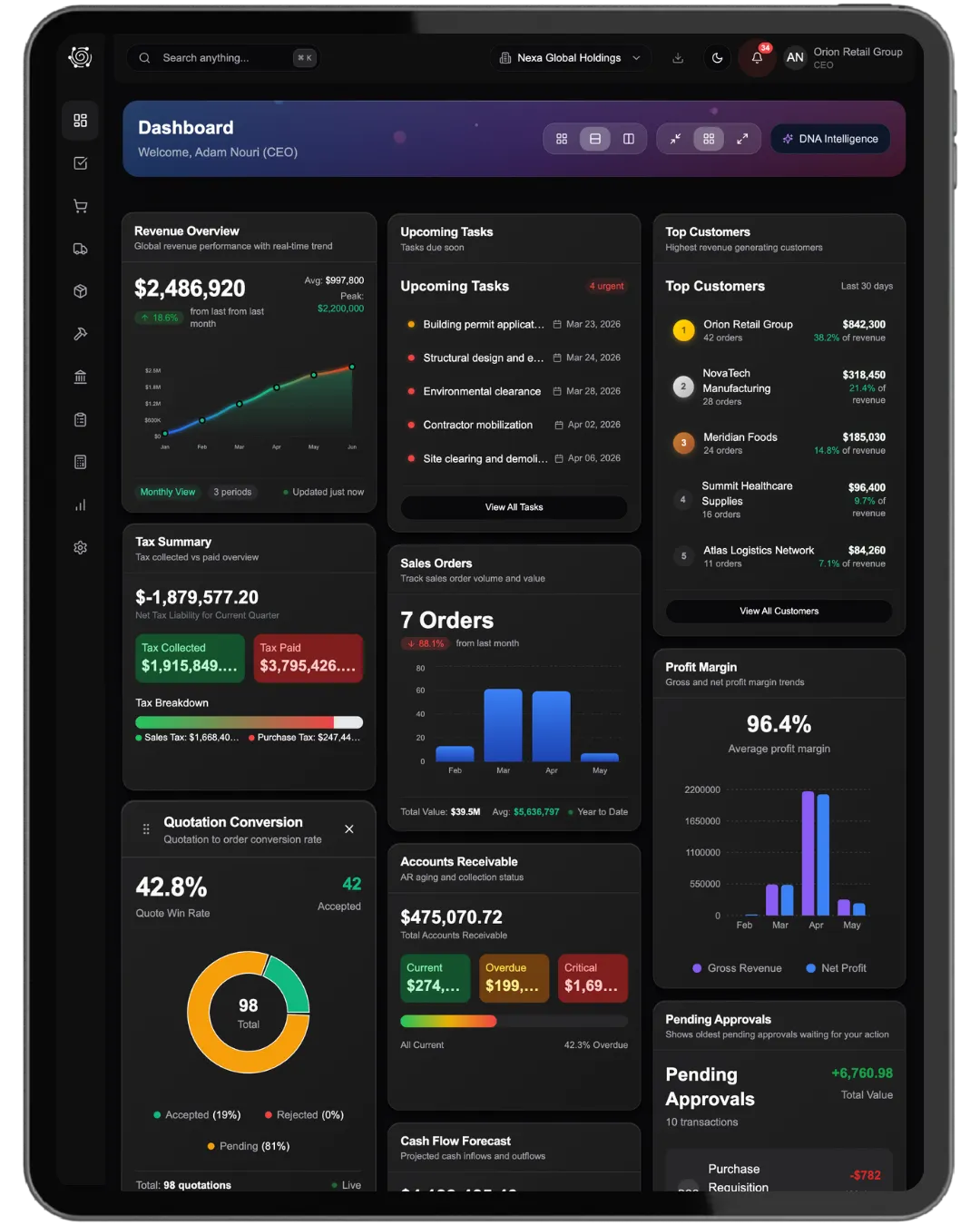
Carpentry ERP for timber, cabinet materials and quotes

Review timber and hardware for each cabinet.
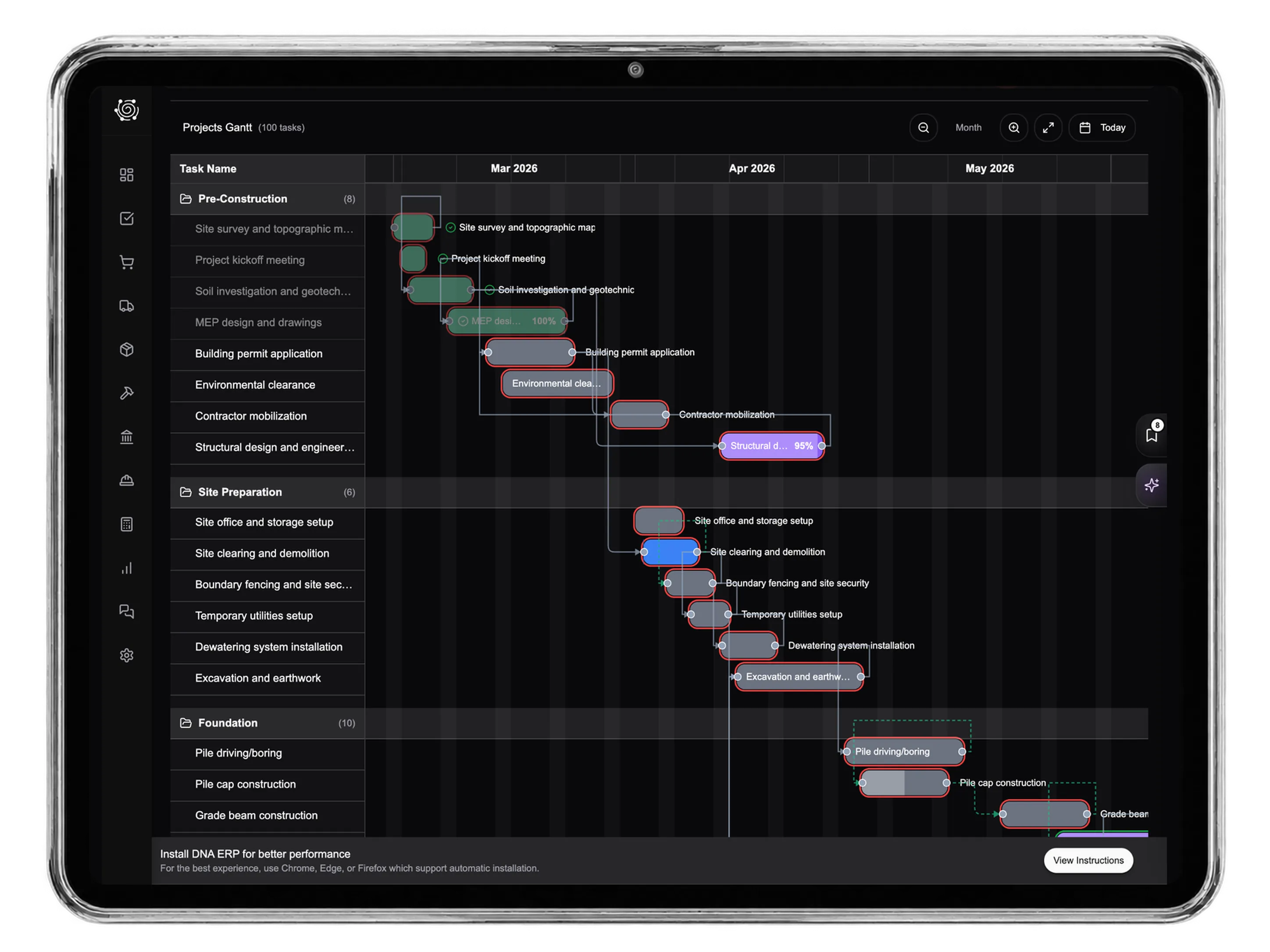
Each fitted cabinet uses birch plywood sheets, soft-close hinges and brushed steel handles. Review the finished item, component quantities and units in its bill of materials. Adjust the example batch quantity to inspect the corresponding input requirement, giving the team a shared reference when discussing what must be prepared for this customer order.
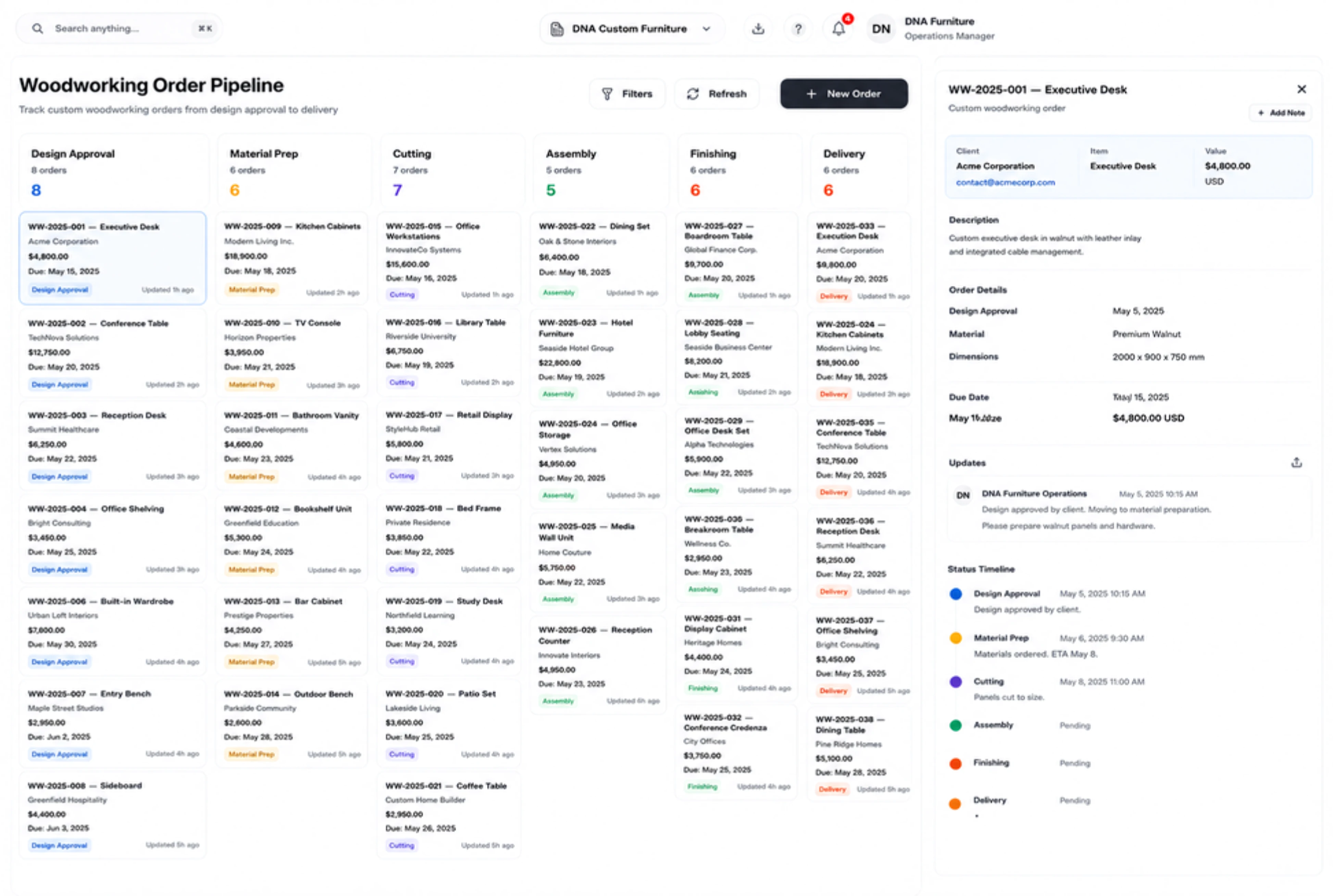
Bring cabinet materials to the joinery bench.
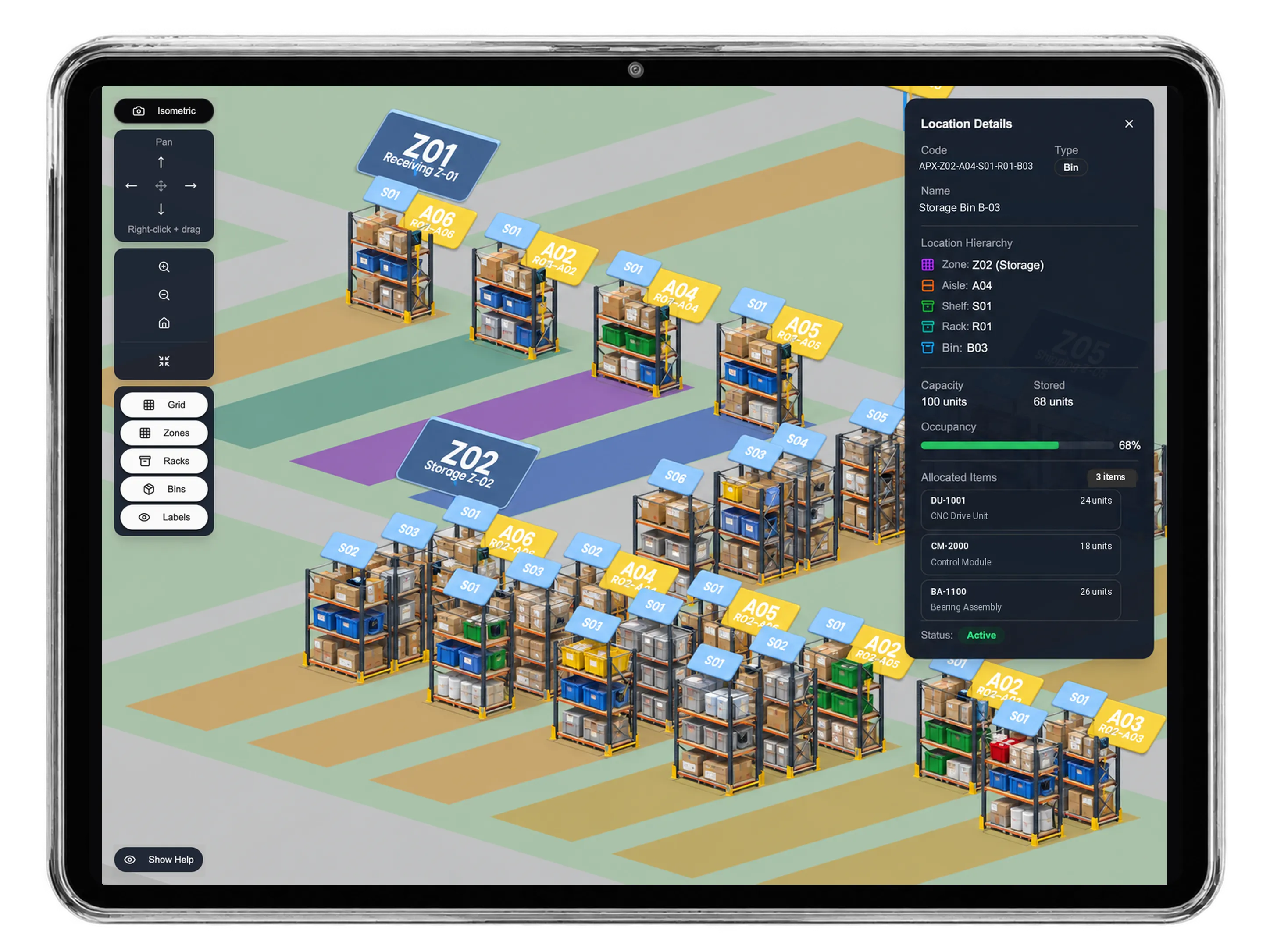
Bring the specified plywood and cabinet fittings from the timber store to the joinery bench supply. Prepare a stock transfer with source and destination locations, available quantities and the amount to move. Add a reason and remark, then review the pending document with the person responsible for the physical movement and the specified material lines.

Make dimensions and finish clear to customers.
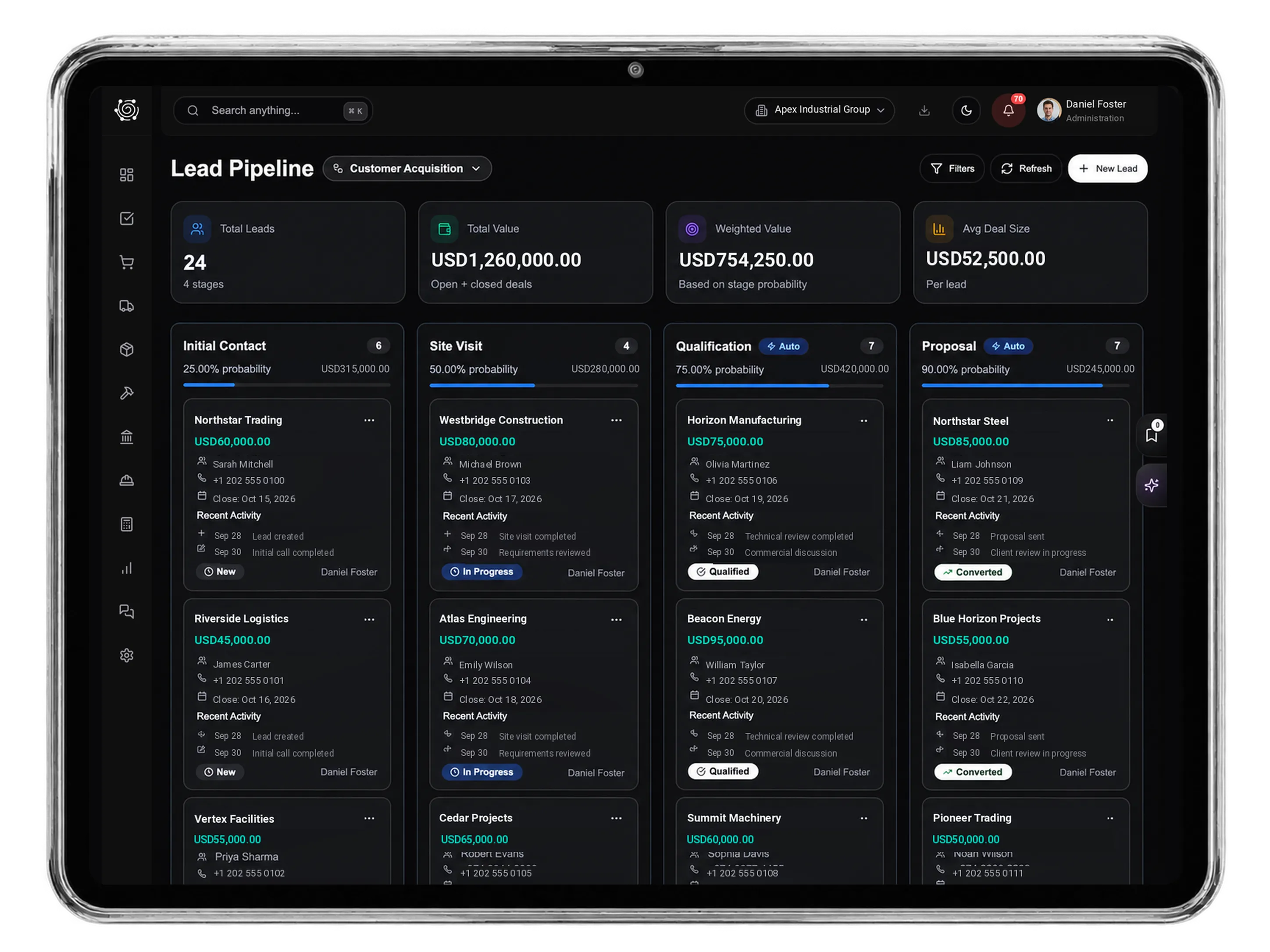
Describe the fitted cabinet with the approved dimensions, finish and handle choice in its quotation. Review the customer, reference, date, finished-product quantity and unit price in the quotation. Line totals make the commercial scope visible when discussing revisions. Keep the description specific enough for the customer and workshop to recognize the same finished product.

Share the cabinet scope in the right language.
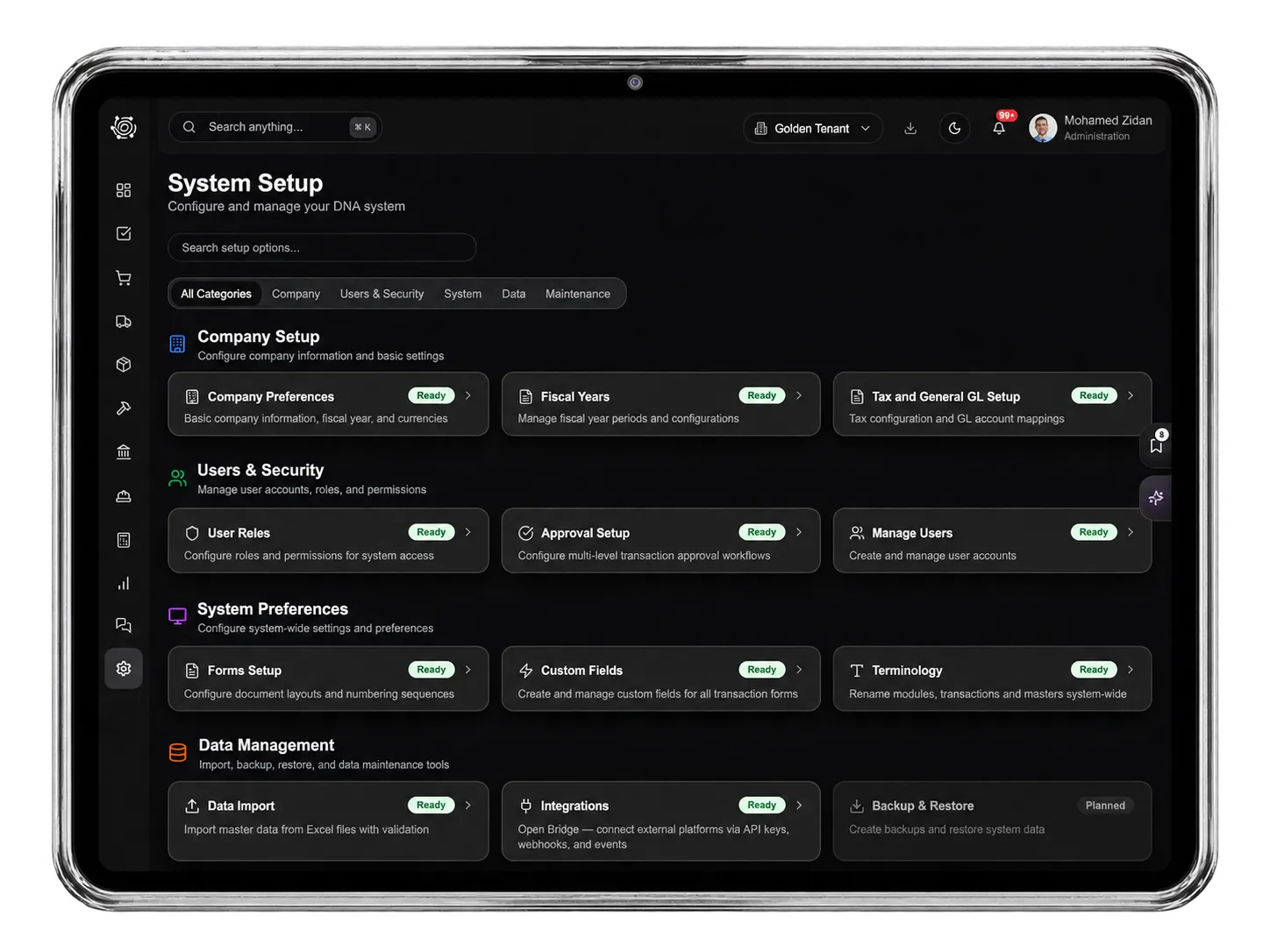
Prepare the cabinet quotation in the customer’s preferred document language before discussing the finished scope. Open the document share settings to choose its language and expiry and review the optional signature setting. These controls help the sales team prepare a clear customer-facing version of the quotation while keeping the document reference and finished-product scope easy to identify.
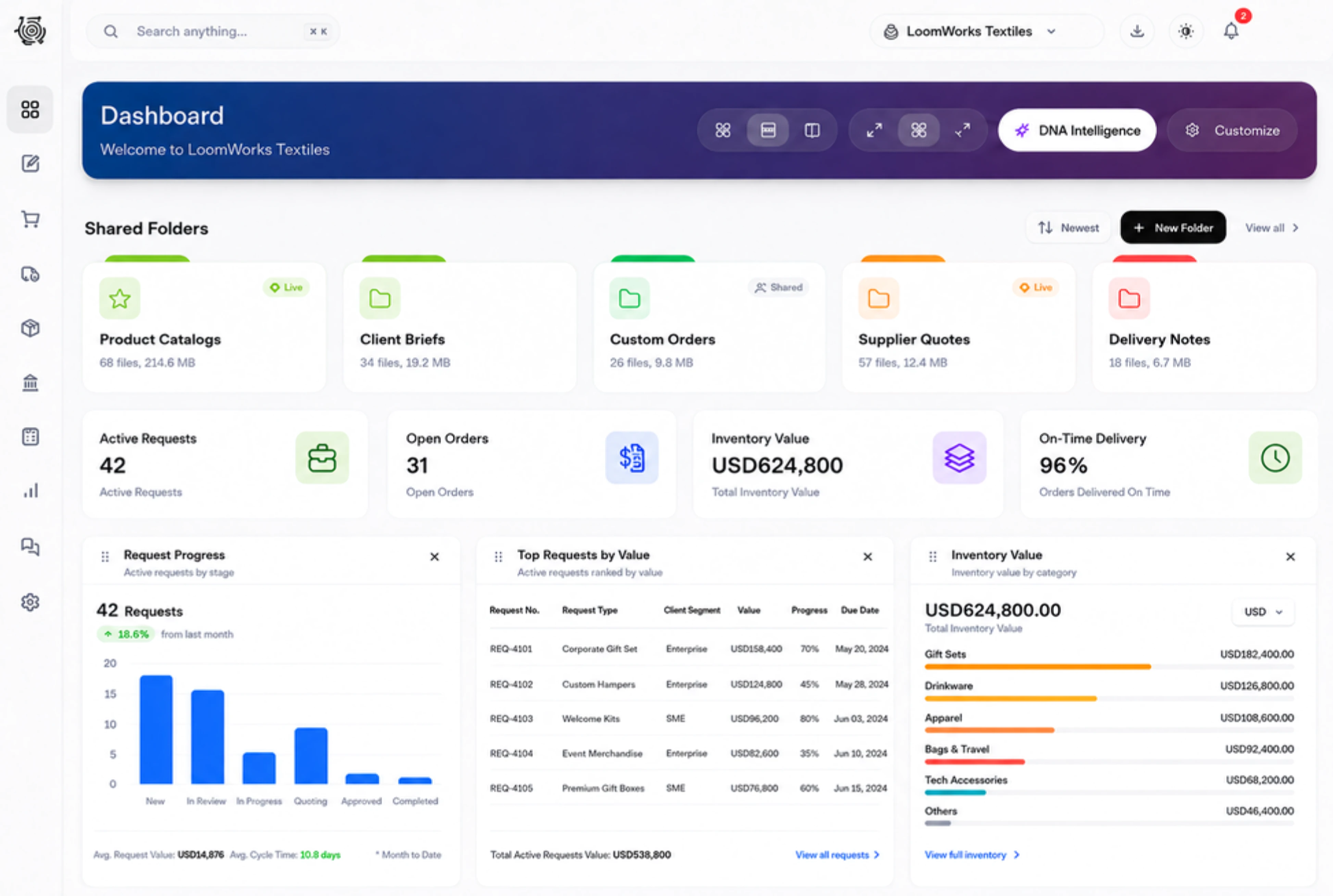
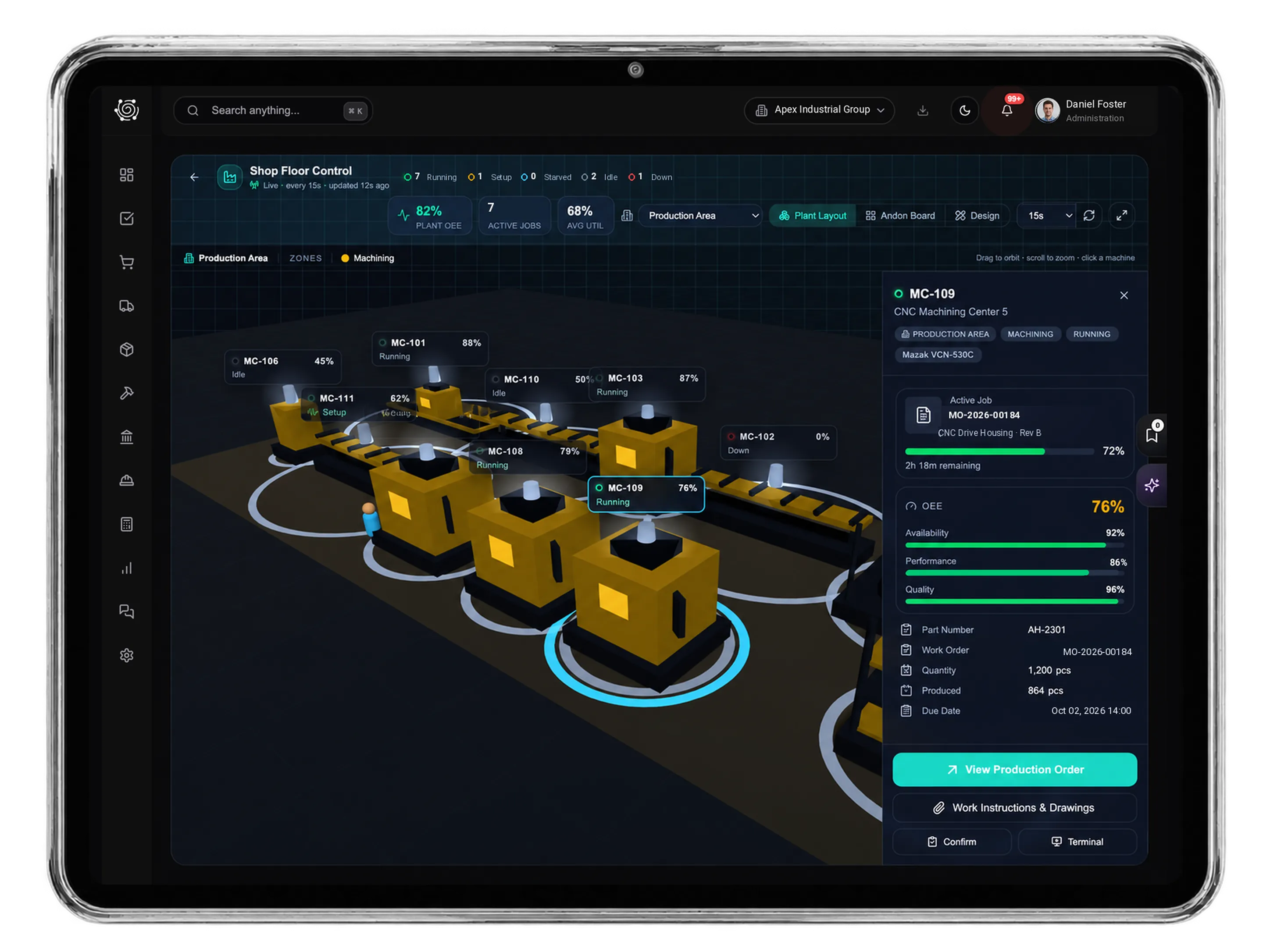
Give your next cabinet order a clear starting point.
Carpentry ERP: Timber, Cabinet Materials & Quotes | DNA
- Review cabinet material quantities, prepare timber and hardware transfers and share woodworking quotations with DNA ERP. Explore a made-to-measure cabinet order.
- Utilize structured and semi-structured data storage
- Analyze data using graph, spatial, and machine learning engines
- Start with the basic trial using sample data; no set-up required