What's on This Page
- What is Digital Transformation?
- The ERP Foundation
- Data Unification
- Process Automation
- AI and Analytics
- Transformation Roadmap
- Success Factors
- Frequently Asked Questions
What is Digital Transformation?
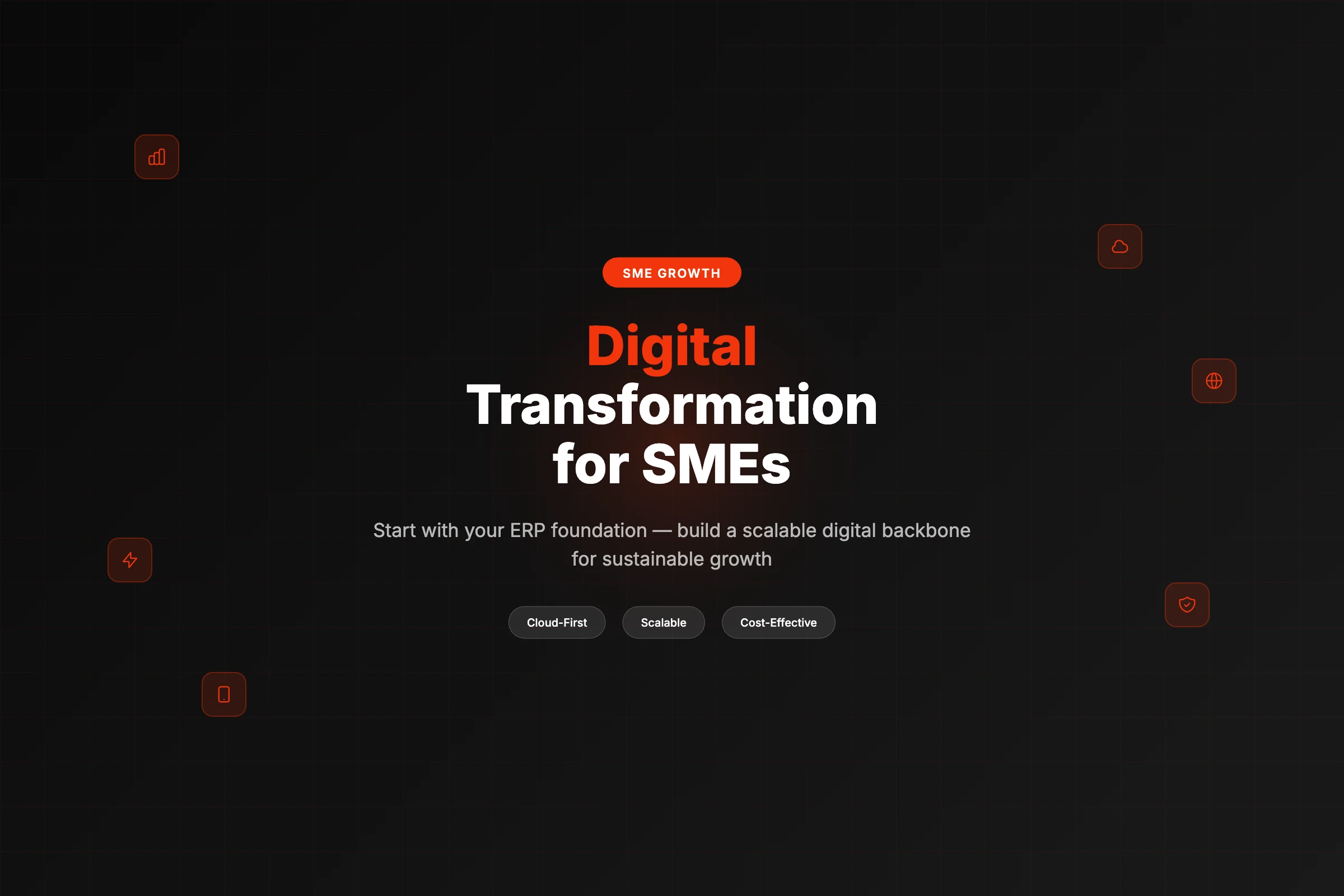
Digital transformation is more than implementing new technology. It represents a fundamental rethinking of how businesses use technology to deliver value to customers and operate more effectively.
Beyond Digitization
Digital transformation differs from simple digitization:
- Digitization: Converting paper to electronic records
- Digitalization: Using digital technology to improve existing processes
- Digital Transformation: Reimagining business models and operations with digital at the core
Why It Matters for SMEs
Digital transformation is not just for large enterprises:
- Customer Expectations: Customers expect digital-first interactions
- Competitive Pressure: Digital-native competitors entering markets
- Operational Efficiency: Automation reduces costs and errors
- Business Insights: Data-driven decisions outperform intuition
- Talent Attraction: Modern workplaces attract better talent
Common Pitfalls
Many transformation efforts fail due to:
- Technology-first approach without business strategy
- Fragmented initiatives without integration
- Underestimating change management needs
- Lack of foundational data infrastructure
- Insufficient executive commitment
The ERP Foundation
Successful digital transformation requires a solid foundation. For most businesses, that foundation is a modern ERP system.
Why ERP First?
- Single Source of Truth: ERP provides authoritative business data
- Process Integration: End-to-end workflows across functions
- Transaction System: Core operations run through ERP
- Audit and Compliance: Controls and traceability built in
- Integration Hub: Other systems connect to ERP
Foundation Capabilities
Your ERP should provide:
- Modern cloud architecture
- Comprehensive API layer
- Mobile accessibility
- Extensibility without coding
- Analytics and reporting
- Security and compliance
DNA ERP as Foundation
DNA ERP is designed as a digital transformation platform:
- Cloud-native architecture
- Open APIs for integration
- Built-in AI capabilities
- No-code customization
- Mobile-first design
Data Unification
Data is the fuel for digital transformation. Fragmented data prevents effective analysis and automation.
The Data Silo Problem
Typical pre-transformation data landscape:
- Customer data in CRM, accounting, and support systems
- Financial data in accounting and spreadsheets
- Inventory data in warehouse and e-commerce systems
- Employee data in HR and payroll systems
- No single view of business performance
ERP as Data Hub
DNA ERP unifies business data:
- Master Data Management: Single records for customers, vendors, items
- Transaction Integration: All business transactions in one system
- Historical Repository: Years of data for trend analysis
- Real-Time Updates: Data current to the minute
Data Quality
ERP improves data quality through:
- Validation rules at entry
- Elimination of duplicate entry
- Standardized data formats
- Automated data cleansing
- Master data governance
Data Accessibility
- Self-service reporting
- API access for applications
- Export capabilities
- Data warehouse integration
Process Automation
Automation eliminates manual work, reduces errors, and accelerates operations.
Automation Opportunities
Common processes to automate:
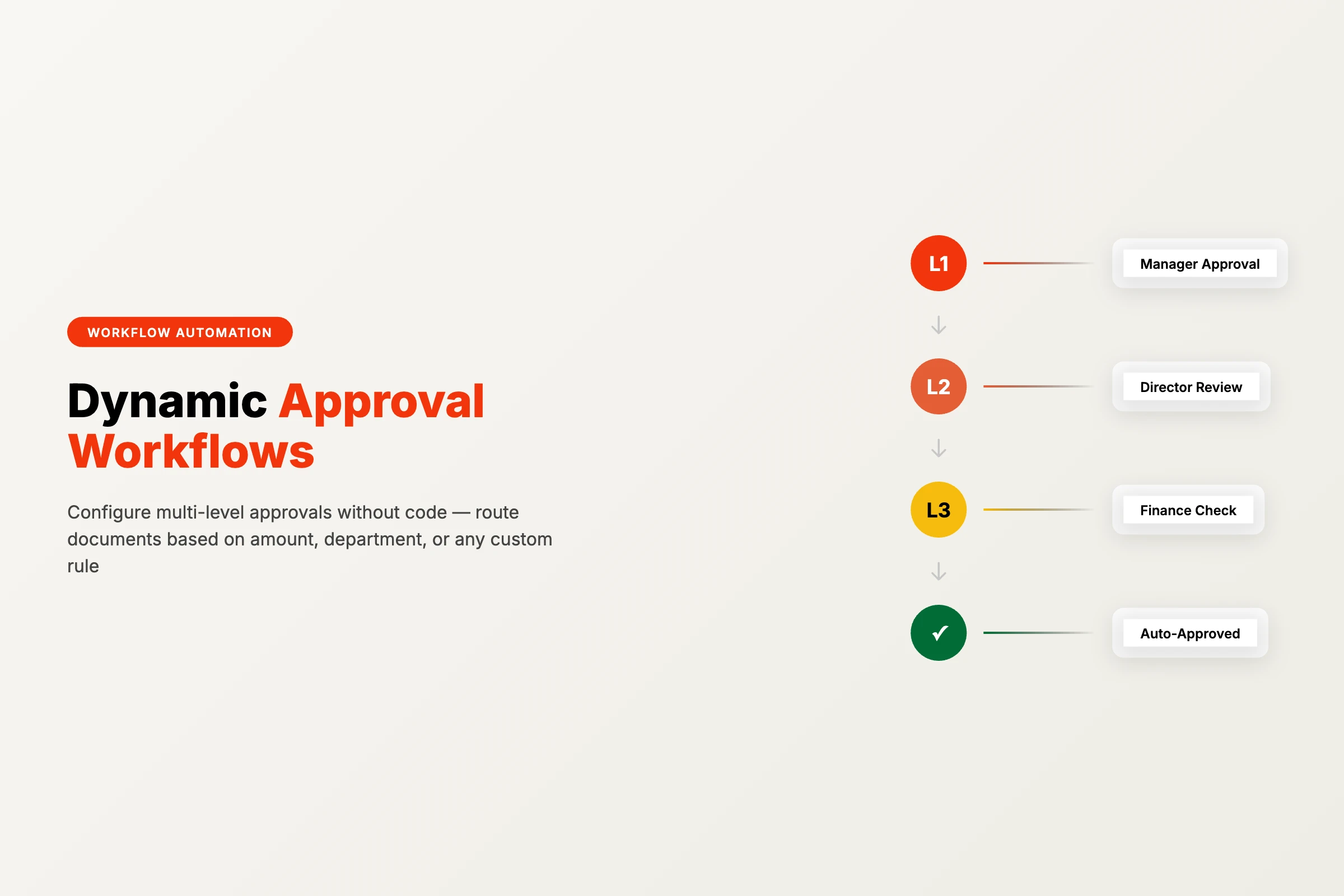
- Approvals: Route documents based on rules
- Data Entry: Capture from documents and integrations
- Calculations: Pricing, taxes, allocations
- Notifications: Alerts and reminders
- Reporting: Scheduled report generation
- Reconciliation: Matching transactions automatically
DNA ERP Automation
Built-in automation capabilities:
- Workflow engine for approvals and routing
- Scheduled jobs for batch processing
- Event triggers for real-time actions
- API integration for system-to-system automation
- RPA compatibility for legacy system integration
Measuring Automation Impact
- Hours saved per process
- Error reduction rate
- Cycle time improvement
- Employee satisfaction
- Cost reduction
AI and Analytics
Artificial intelligence and advanced analytics transform data into insights and actions.
AI in ERP
DNA ERP embeds AI throughout:
- DNA Intelligence: Natural language queries for instant insights
- Bank Reconciliation: AI matching of transactions
- Demand Forecasting: Predictive inventory planning
- Anomaly Detection: Unusual pattern identification
- Document Processing: Intelligent data extraction
Analytics Capabilities
- Real-time dashboards
- Drill-down analysis
- Trend identification
- Comparative reporting
- Predictive modeling
Business Intelligence
- Self-service analytics
- Ad-hoc reporting
- Visualization tools
- Data export for BI platforms
Continuous Learning
AI capabilities improve over time:
- Learning from corrections and feedback
- Adapting to business patterns
- Regular model updates
- New capabilities added continuously
Transformation Roadmap
Digital transformation is a journey, not a destination. A phased approach ensures sustainable progress.
Phase 1: Foundation (3-6 months)
- Implement core ERP modules
- Migrate and cleanse master data
- Establish single source of truth
- Train users on new system
- Retire legacy systems
Phase 2: Optimization (6-12 months)
- Automate key processes
- Implement approval workflows
- Deploy mobile capabilities
- Enable self-service reporting
- Integrate critical systems
Phase 3: Intelligence (12-18 months)
- Activate AI features
- Implement predictive analytics
- Deploy advanced automation
- Enable real-time dashboards
- Develop data-driven culture
Phase 4: Innovation (Ongoing)
- Explore new technologies
- Expand digital capabilities
- Continuous improvement
- Customer experience enhancement
- New business model exploration
Success Factors
What differentiates successful digital transformation from failed initiatives?
Executive Leadership
- Visible commitment from top leadership
- Clear vision communicated consistently
- Resources allocated appropriately
- Barriers actively removed
Change Management
- People-focused approach
- Communication throughout journey
- Training and support
- Quick wins to build momentum
- Resistance addressed constructively
Right Technology Partner
- Modern, scalable platform
- Strong implementation support
- Ongoing partnership mentality
- Continuous product development
- Customer success focus
Pragmatic Approach
- Start with clear priorities
- Deliver value incrementally
- Learn and adjust continuously
- Avoid big bang implementations
- Balance ambition with execution
Measuring Progress
- Define success metrics upfront
- Track progress regularly
- Celebrate achievements
- Learn from setbacks
- Adjust plans based on results
Frequently Asked Questions
How long does digital transformation take?
Digital transformation is ongoing, but meaningful impact can be achieved in 12-24 months. The initial ERP implementation typically takes 3-6 months, with optimization and AI capabilities following. The key is continuous progress rather than waiting for perfection.
What budget should we allocate?
Budget varies widely based on scope and starting point. For SMEs, expect ERP subscription costs plus implementation services, training, and change management support. Calculate ROI based on efficiency gains, error reduction, and better decision-making enabled by the new system.
Do we need dedicated IT staff?
With cloud-based ERP like DNA ERP, dedicated IT infrastructure support is not required. You will need process owners and power users who understand both the business and system. Many SMEs successfully operate with part-time system administrators.
How do we manage change resistance?
Address resistance through communication, involvement, training, and quick wins. Involve key users in system design. Demonstrate benefits clearly. Provide ample training and support. Celebrate successes publicly. Address concerns openly rather than dismissively.
Should we do everything at once?
No. A phased approach is strongly recommended. Start with core capabilities, achieve stability, then add more. This reduces risk, builds confidence, and allows learning. Attempting too much at once is a common cause of transformation failure.
Related Articles
- How to Choose the Right ERP in 2025
- DNA Intelligence: AI-Powered Analytics
- AI-Powered Bank Reconciliation
Last updated: May 2025 — DNA ERP provides the foundation for SME digital transformation with modern cloud architecture, integrated AI, and comprehensive business capabilities.
.webp)