What's on This Page
- Service Business Challenges
- Project Setup and Planning
- Time and Expense Tracking
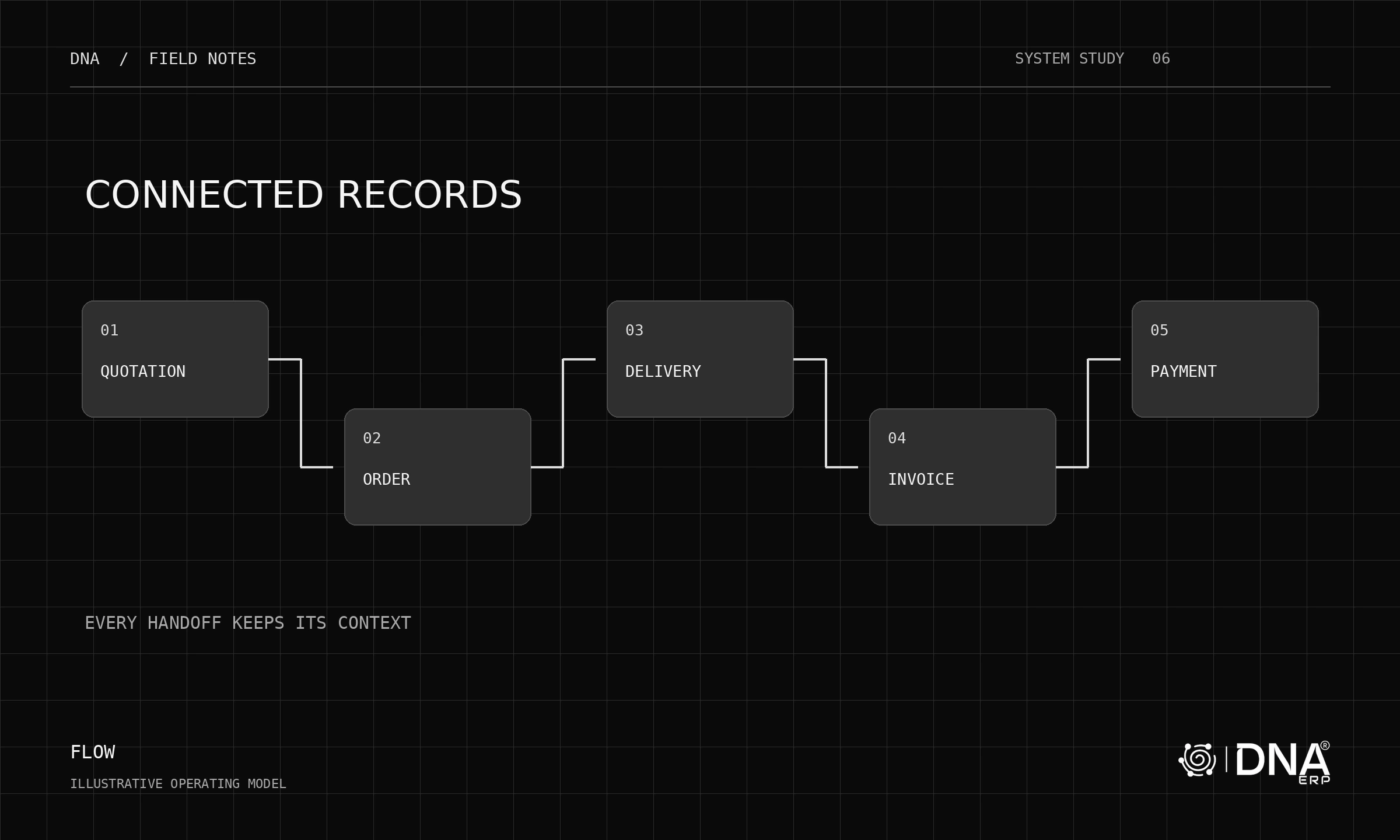
- Milestone and Time-Based Billing
- Resource Utilization
- Profitability Analysis
- DNA ERP for Services
- Frequently Asked Questions
Service Business Challenges
Professional service firms — consultancies, engineering companies, architects, IT services, and similar businesses — operate fundamentally differently from product-based companies. Their primary assets are people and expertise, making time tracking and project management central to operations.
Unique Characteristics
- Project-Based Revenue: Income tied to specific client engagements
- People as Product: Staff time is the primary deliverable and cost
- Variable Demand: Workload fluctuates with project wins and completions
- Complex Billing: Multiple billing models (fixed fee, T&M, retainer, milestone)
- Intellectual Property: Deliverables are knowledge-based, not physical
- Client Relationships: Repeat business depends on satisfaction and trust
Common Pain Points
- Utilization Blindness: Not knowing if staff are fully productive
- Scope Creep: Projects expanding without corresponding fee adjustments
- Billing Delays: Late invoicing due to time entry backlogs
- Profitability Surprises: Projects losing money without early warning
- Resource Conflicts: Over-committing key staff to multiple projects
- Administrative Overhead: Too much time on admin versus billable work
What Professional Services Need
- Integrated project and financial management
- Seamless time and expense capture
- Flexible billing capabilities
- Real-time profitability visibility
- Resource planning and forecasting
Project Setup and Planning
Effective project management starts with proper project setup and planning structure.
Project Structure
- Project Master: Core project details and attributes
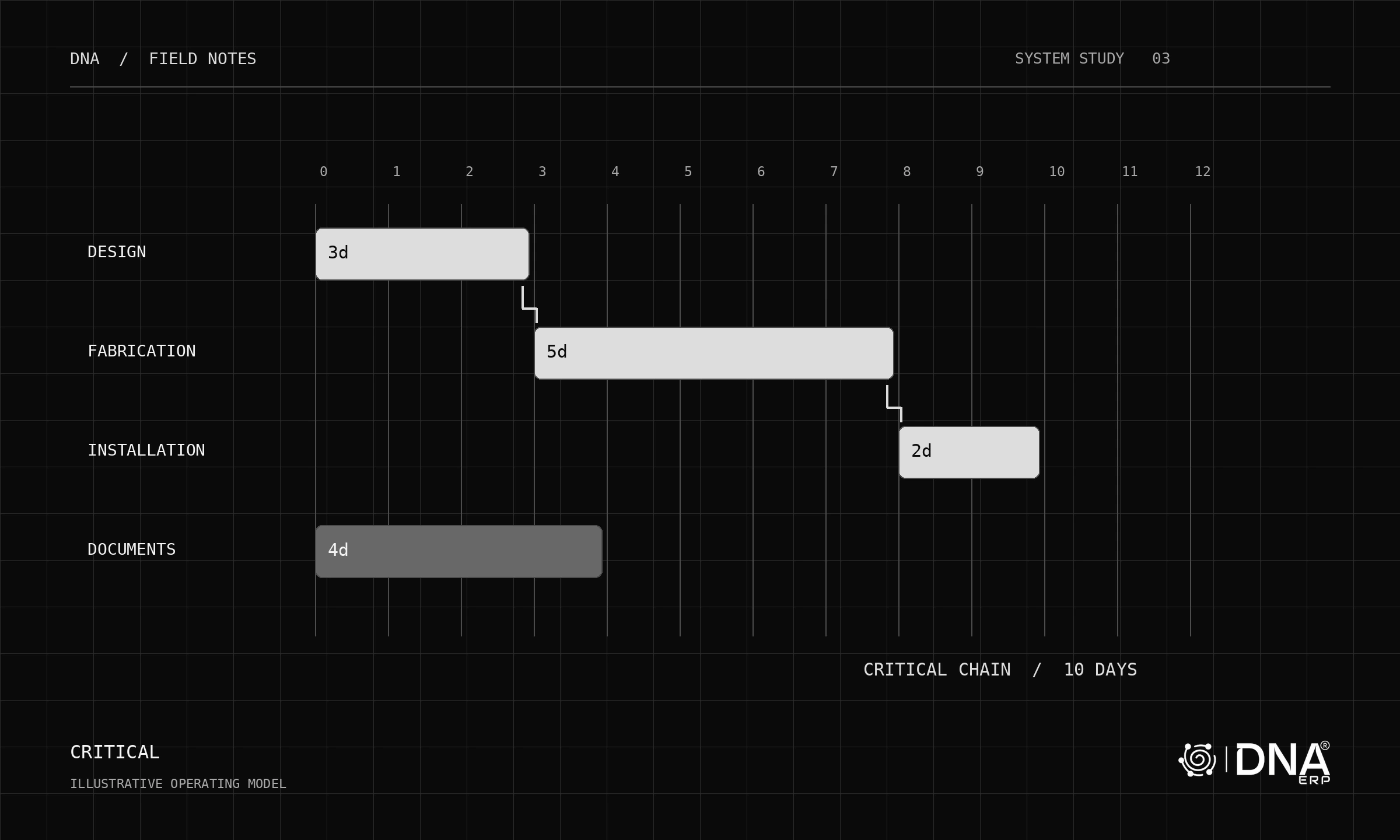
- Phases: Major project divisions for tracking and billing
- Tasks: Specific work items with ownership and deadlines
- Milestones: Key deliverables triggering billing or reporting
- Budgets: Planned hours, costs, and fees
Project Types
DNA ERP supports various engagement types:
- Fixed Fee: Agreed price for defined scope
- Time and Materials: Hourly/daily billing with expense pass-through
- Retainer: Recurring fee for ongoing availability
- Cost Plus: Reimbursable costs plus markup
- Hybrid: Combinations of the above
Budget Management
- Hours budget by phase and task
- Cost budget for expenses and contractors
- Fee budget aligned with contract value
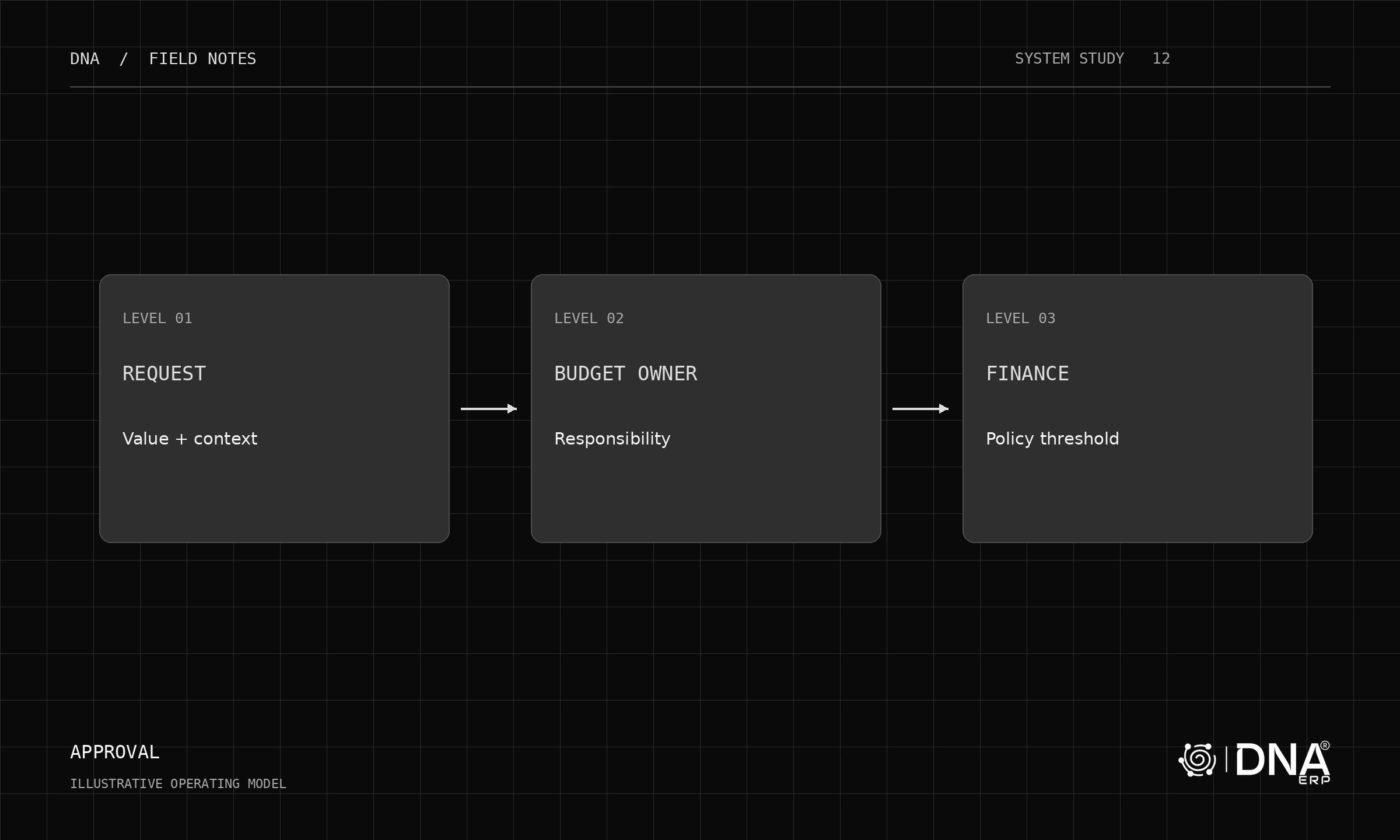
- Budget revisions with approval workflow
- At-risk alerts when budgets near exhaustion
Time and Expense Tracking
Accurate time and expense capture is the foundation of professional services billing and profitability.
Timesheet Entry
- Daily Entry: Record hours worked each day
- Weekly Timesheet: Grid view for full week entry
- Timer: Start/stop tracking for precise capture
- Mobile Entry: Capture time from anywhere
Time Entry Details
- Project and task allocation
- Activity type classification
- Billable versus non-billable flagging
- Work description for invoicing
- Rate override where applicable
Timesheet Workflow
- Draft: Time entered by staff
- Submitted: Timesheet sent for approval
- Approved: Manager approves hours
- Posted: Time flows to project costs and billing
Expense Capture
- Expense entry with receipt upload
- Expense categories and policies
- Project allocation for reimbursables
- Approval workflow for expenses
- Credit card integration
Milestone and Time-Based Billing
Flexible billing capabilities to match diverse contract structures.
Billing Methods
- Time and Materials: Invoice based on approved time and expenses
- Fixed Milestones: Invoice at milestone completion
- Percentage Complete: Progress billing based on completion
- Retainer: Recurring invoices with hour tracking
- Manual: Ad-hoc invoicing as needed
Billing Workflow
- Review unbilled time and expenses
- Adjust descriptions for client clarity
- Write off or hold items as needed
- Generate draft invoice for review
- Finalize and send to client
Invoice Features
- Professional invoice templates
- Time detail backup attachments
- Expense detail with receipts
- Multi-currency invoicing
- Electronic delivery options
Revenue Recognition
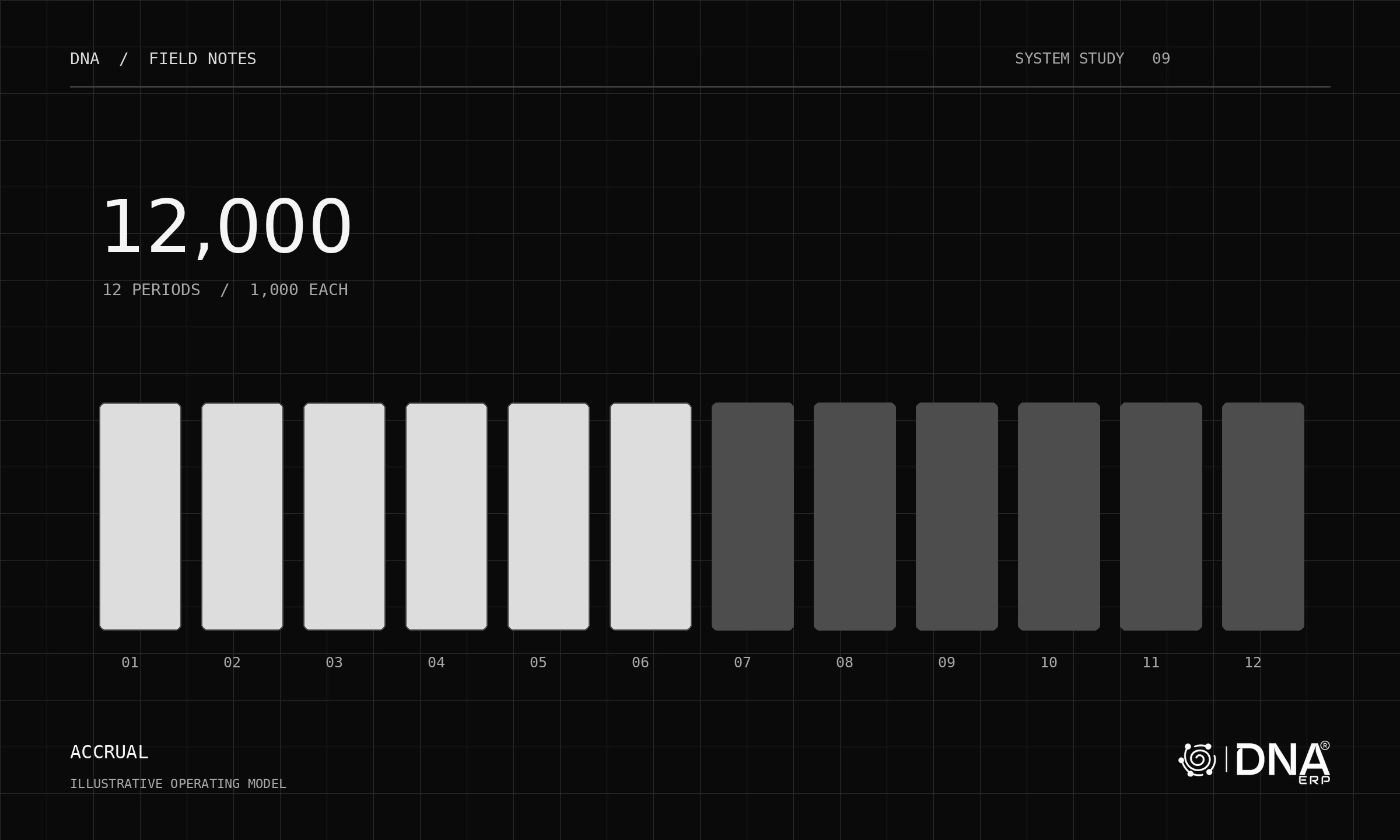
- Revenue recognition aligned with IFRS 15
- Percentage of completion calculations
- Deferred revenue management
- WIP (unbilled time) tracking
Resource Utilization
Optimizing staff utilization is key to professional services profitability.
Utilization Metrics
- Billable Utilization: Billable hours divided by available hours
- Total Utilization: All project hours divided by available hours
- Realization: Billed revenue versus potential at standard rates
Resource Planning
- Staff availability calendar
- Project resource assignments
- Capacity versus demand visibility
- Conflict identification
- Skill matching for project staffing
Forecasting
- Revenue forecast based on project pipeline
- Resource demand projection
- Capacity gap identification
- Hiring need assessment
Target Management
- Individual utilization targets
- Team and department targets
- Progress tracking versus targets
- Performance dashboards
Profitability Analysis
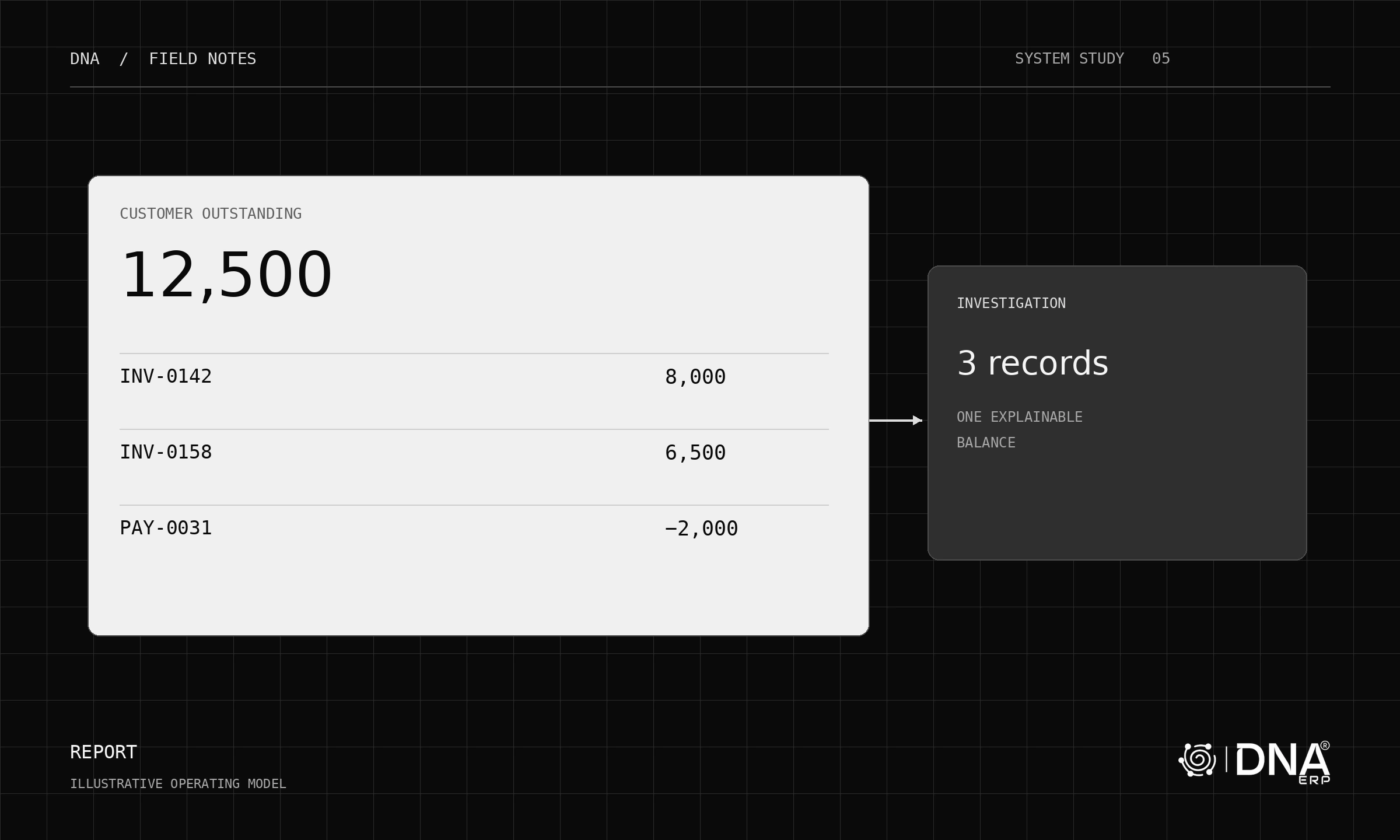
Understanding profitability at project, client, and service line levels drives better business decisions.
Project Profitability
- Revenue versus direct costs
- Gross margin by project
- Budget versus actual comparison
- Estimated margin at completion
Client Profitability
- Lifetime value by client
- Profitability trend over engagements
- Service mix analysis
- Write-off and discount impact
Service Line Analysis
- Profitability by practice area
- Utilization by service type
- Growth trends by service
- Competitive positioning
Staff Profitability
- Revenue generated per staff member
- Cost recovery and margin contribution
- Utilization and realization metrics
- Development investment impact
DNA ERP for Services
DNA ERP provides integrated capabilities designed for professional service firms.
Project Management
- Full project lifecycle management
- Phase and task breakdown
- Milestones and deliverables
- Document management
Time and Billing
- Flexible timesheet entry
- Expense management
- Multiple billing methods
- Invoice generation
Resource Management
- Staff capacity planning
- Assignment and allocation
- Utilization tracking
- Skills management
Financials
- Project accounting
- Revenue recognition
- WIP management
- Profitability reporting
Client Management
- CRM integration
- Opportunity tracking
- Proposal management
- Client portal
Frequently Asked Questions
How do you handle multiple billing rates?
DNA ERP supports rate management at multiple levels: standard rates by role, client-specific rates, project-specific rates, and even task-specific rates. The system automatically applies the appropriate rate hierarchy when calculating billing.
Can staff enter time from mobile devices?
Yes. The DNA ERP mobile app provides full timesheet entry capabilities including timer functionality, project selection, and description entry. Time syncs immediately to the central system.
How do you handle not-to-exceed or capped projects?
Projects can be configured with caps at project, phase, or task level. The system warns when approaching caps and can prevent time entry or billing beyond agreed limits.
What about multi-currency projects?
DNA ERP fully supports multi-currency engagements. Bill clients in their preferred currency while tracking costs in your functional currency. Exchange rate handling is automatic.
Can clients access project status?
DNA ERP provides optional client portal access where clients can view project status, approve deliverables, review invoices, and communicate with project teams.
Related Articles
- ERP for Saudi Construction Companies
- Dynamic Approval Workflows
- DNA Intelligence: AI-Powered Analytics
Last updated: May 2025 — DNA ERP provides comprehensive professional services automation for consultancies, engineering firms, and service businesses.


.webp)