Cloud and on-premise describe deployment arrangements, not automatic measures of quality or security. The useful comparison is who operates each part of the system and what commitments support that responsibility.
Map the work that must happen
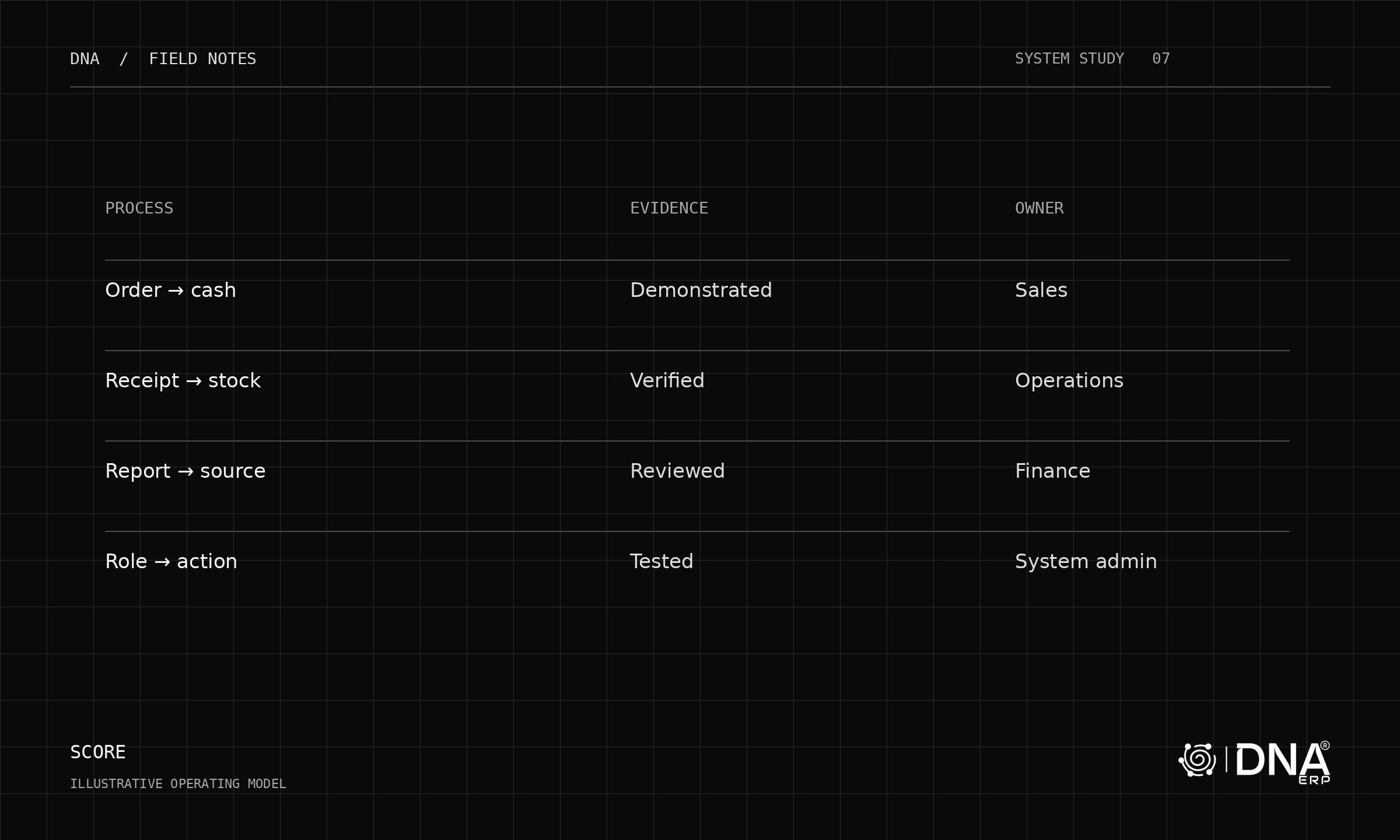
List application updates, infrastructure maintenance, backups, restoration tests, access management, monitoring and incident response. For each option, identify the responsible party and the evidence you can inspect.
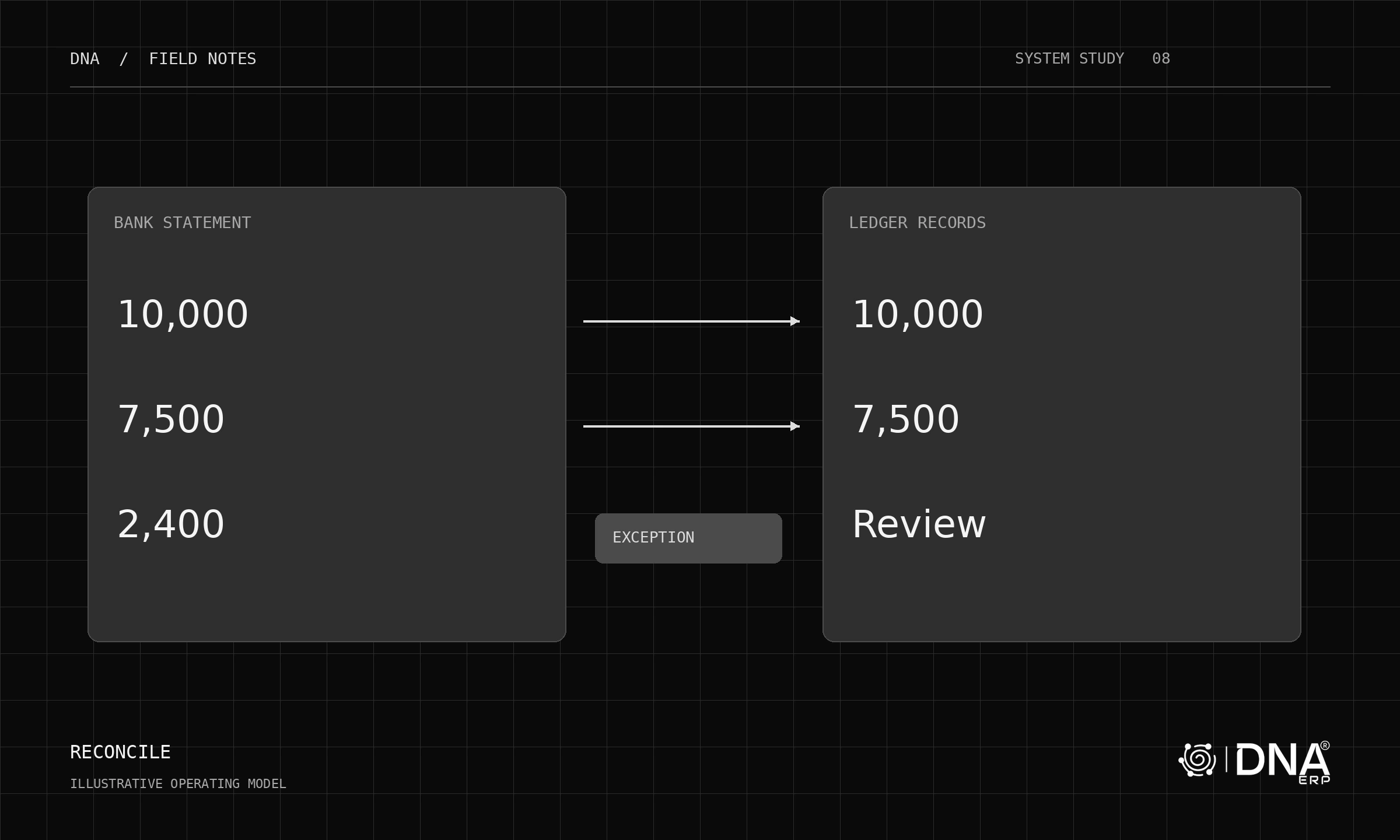
A backup policy is different from a demonstrated restore. An uptime commitment is different from a recovery-time objective. Ask for clear definitions rather than combining these into one vague promise of reliability.
Follow access and data
Document where users work, which devices they use and which processes depend on internet access. Confirm the supported behaviour during interruptions. Do not assume that a web app or PWA provides offline transaction processing for every workflow.
Review hosting locations, contractual data-handling terms, export options and the process for ending the service. Your organization’s requirements determine which evidence is necessary.
Include integration and change
Identify interfaces with other systems and who maintains them when either side changes. For customizations, ask how upgrades are tested and which party resolves compatibility issues.
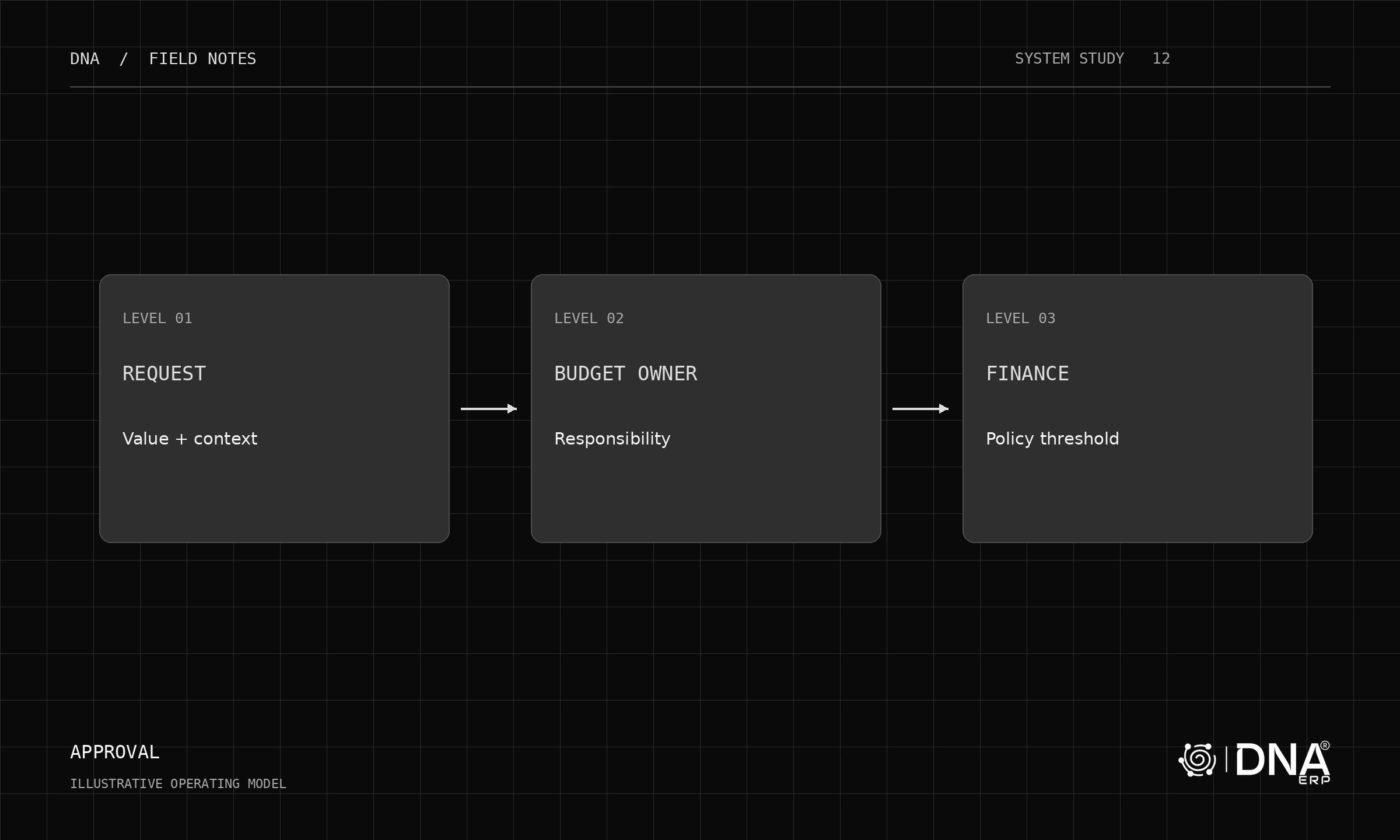
An on-premise deployment may give the organization more direct infrastructure responsibility. A SaaS arrangement typically moves some of that work to the provider, but customer responsibilities for users, data and configuration remain. Confirm the actual division in the contract.
Compare the complete operating cost
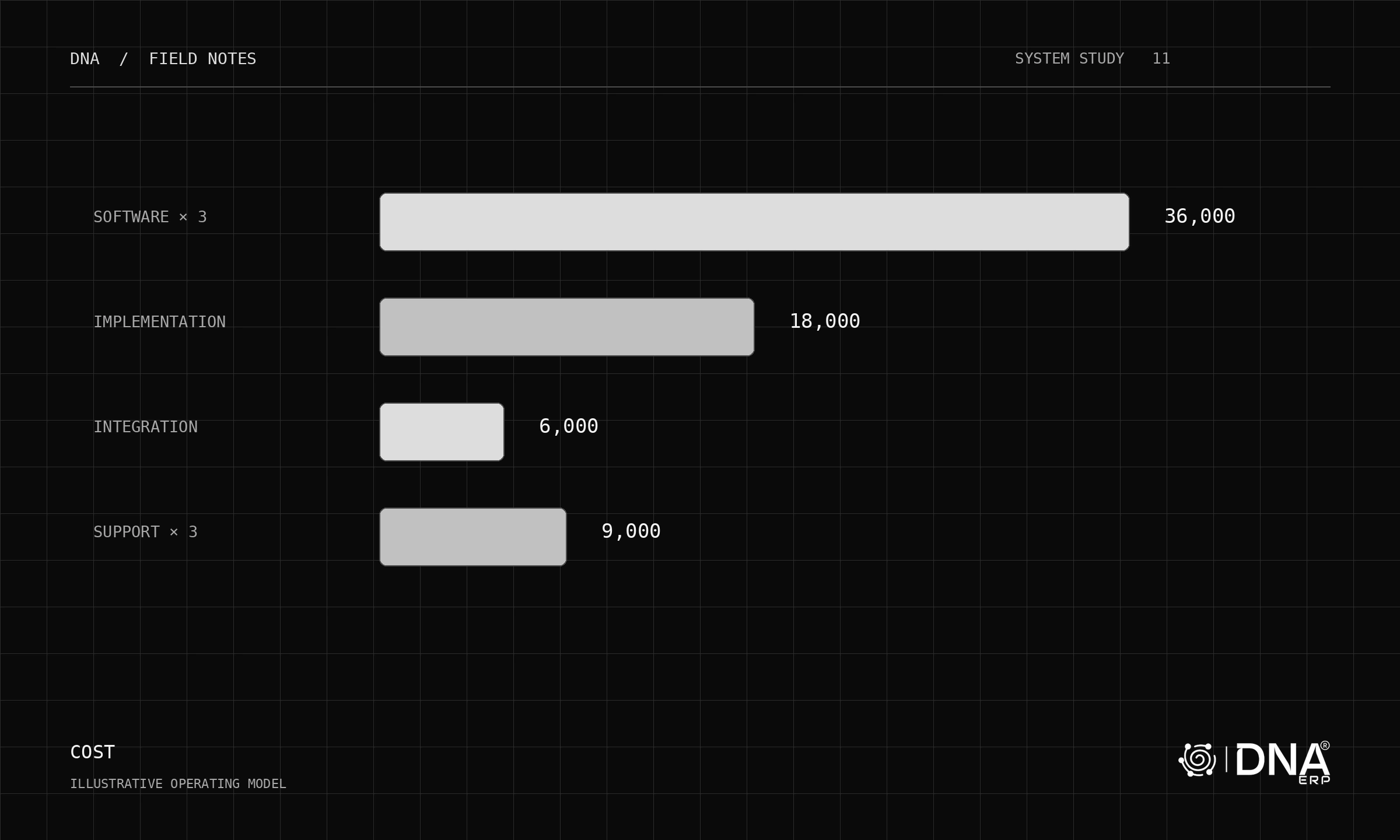
Use the same time horizon and include internal IT effort, infrastructure, support, upgrades and recovery arrangements where applicable. Do not compare a SaaS subscription with only the initial server purchase.
DNA is presented as a cloud ERP. Explore its apps, review the cost framework, and ask the team for the current hosting and service terms relevant to your deployment. A clear responsibility map is a stronger decision tool than a blanket statement that one model is always better.