A production plan can be perfectly balanced while the factory is already falling behind. The plan expresses intent. The shop floor records what happened: material issued, work started, operations confirmed, scrap reported and finished goods received.
Manufacturing control depends on keeping those two views connected. In DNA, the shop floor is the visible entry point to a larger chain of production records. The important question is not simply whether a machine appears busy. It is which order the activity belongs to and what it changes downstream.
Start with a reproducible product definition
The bill of materials defines components and quantities. The routing defines the sequence of operations and work centres. Production versions preserve the combination being used. Together, these determine what the order expects before execution begins.
A revision matters. If a product’s material requirement changes after an order has been released, the team needs to know which version applies. Treat the version as a controlled decision rather than silently replacing the recipe behind work already in progress.
Read the order through its events
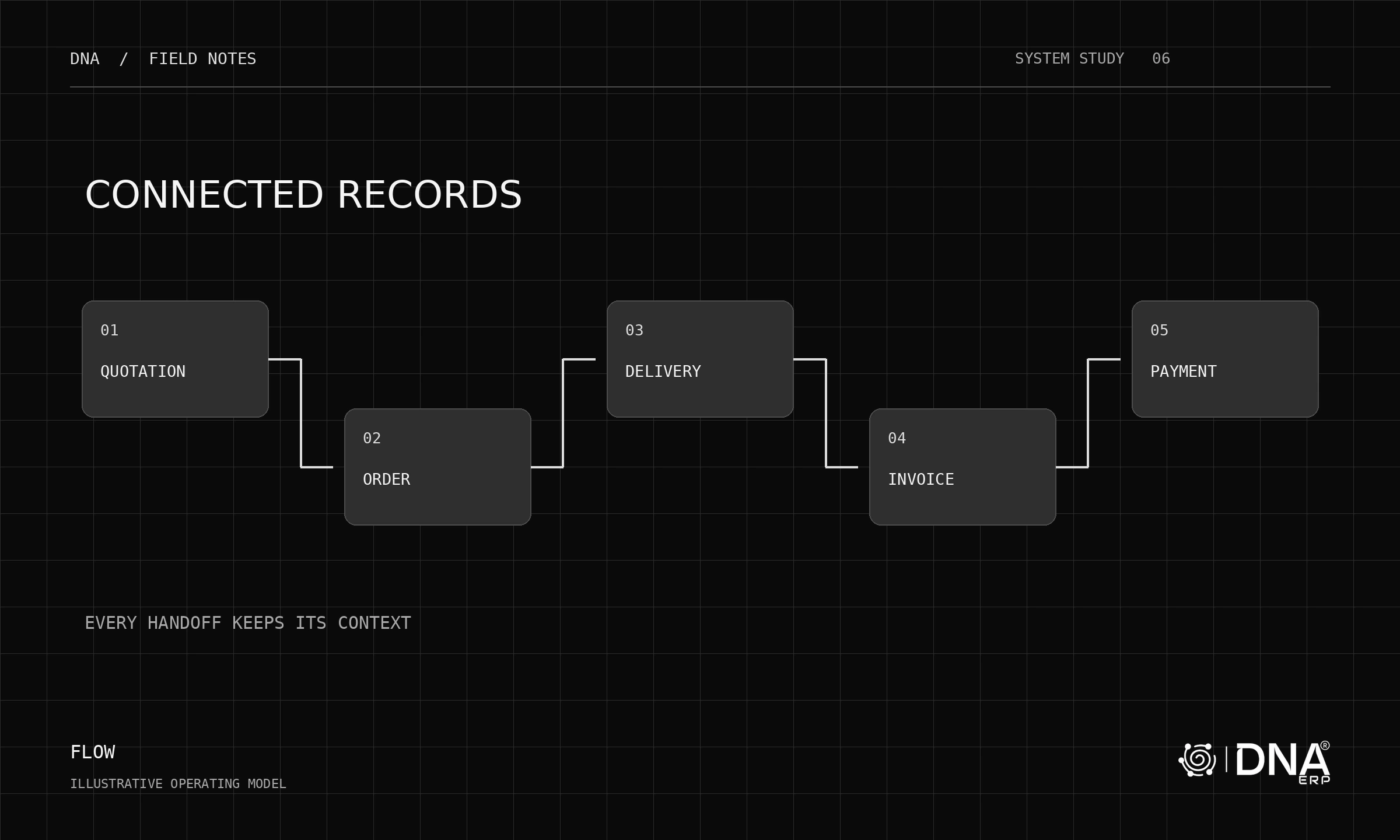
Follow a planned order into a production order, then examine material issue, operation confirmation, quality inspection and goods receipt. Each event answers a different question. Material issue explains consumption; an operation confirmation explains execution; goods receipt records completed output into inventory.
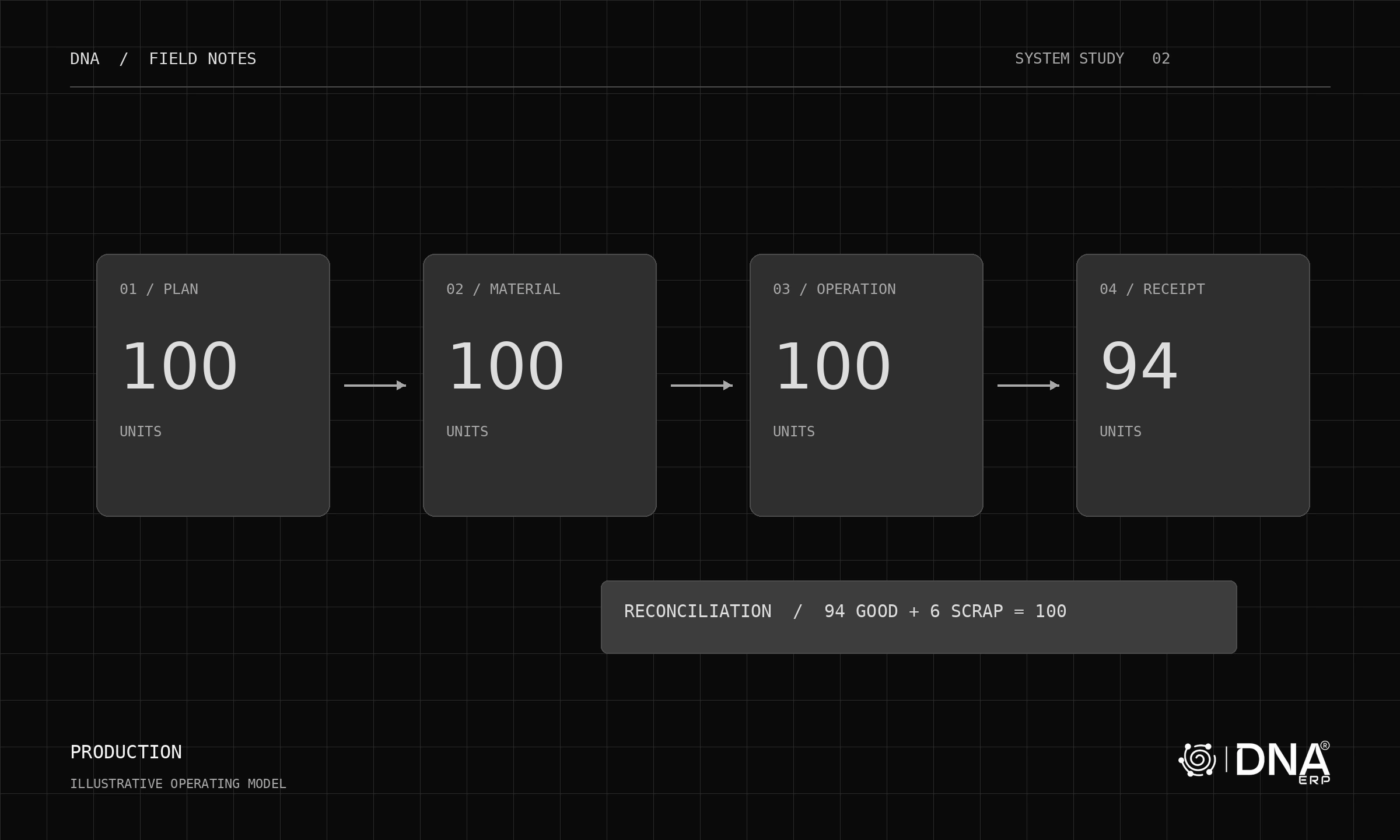
An illustrative job plans 100 units but receives 94 good units and records six scrapped units. The balance of quantities is one check. The reasons, material usage and operation time are separate checks. Do not assume that a complete quantity reconciliation proves the expected cost was achieved.
Find the cause of a variance
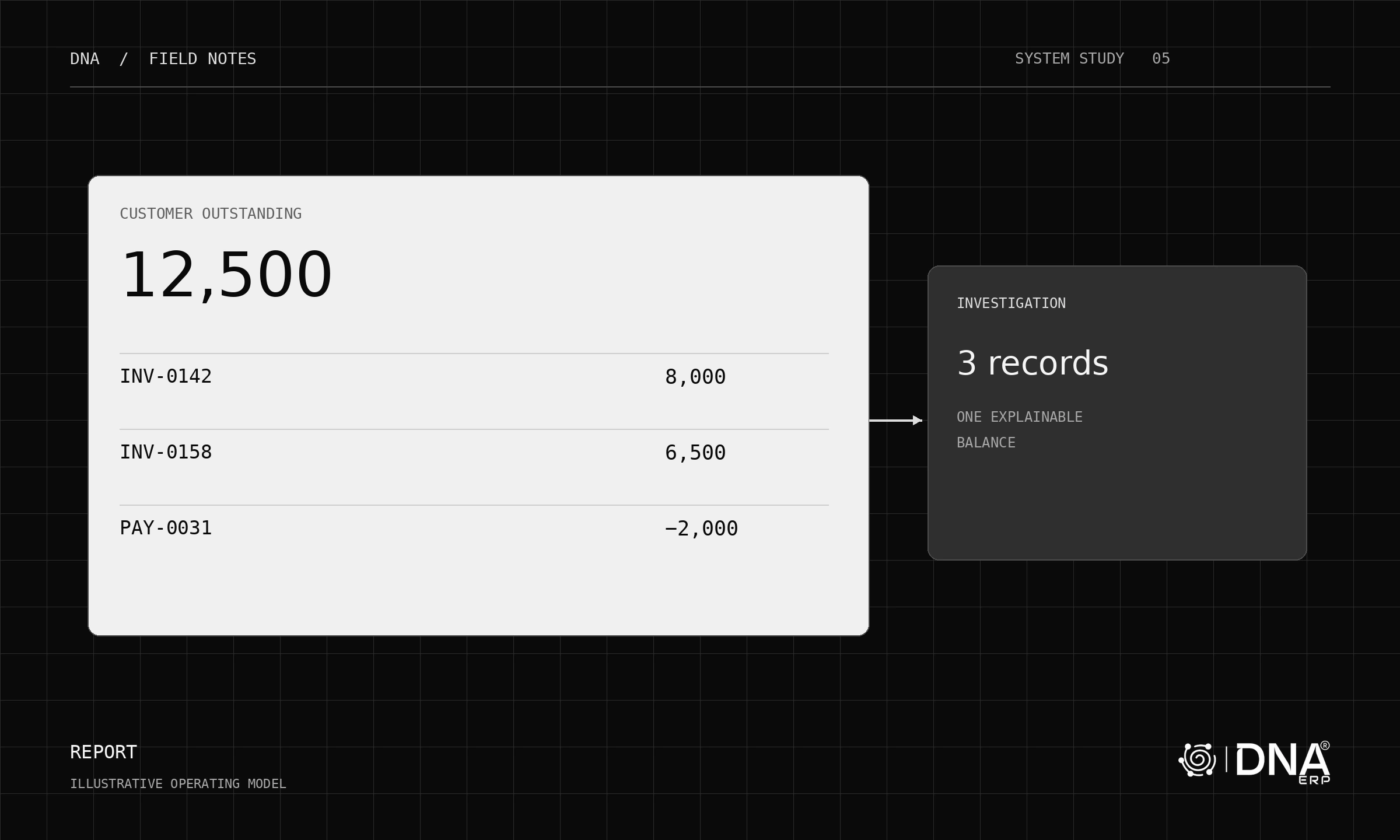
Compare planned and actual material, labour and overhead using the same order scope. A higher actual unit cost can result from more consumption, more time, less good output, or several of these together. The explanation should point back to the underlying events.
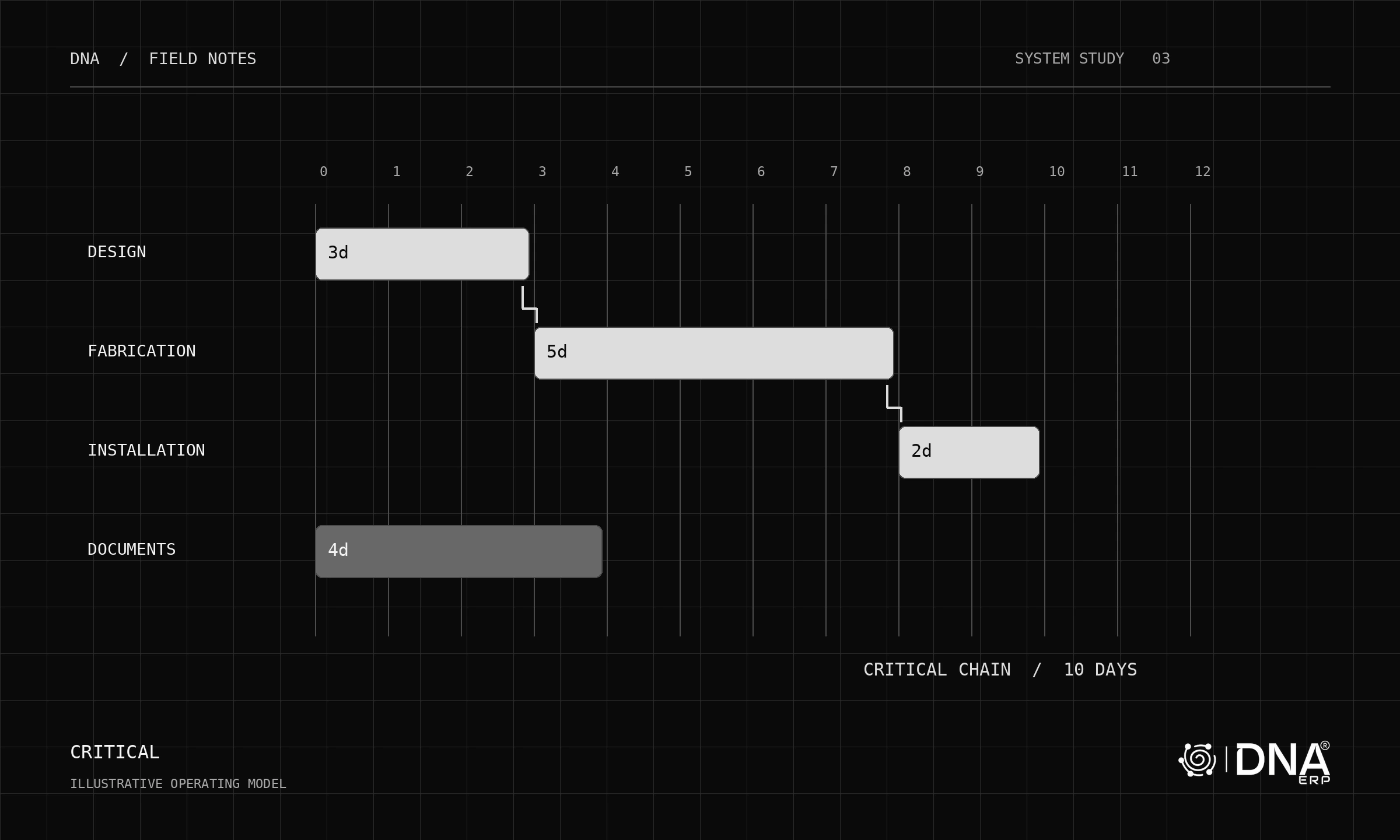
- Review the routing and assigned work centre when execution takes longer.
- Review issues and scrap when material consumption rises.
- Review receiving progress before interpreting an incomplete order’s unit cost.
A useful manufacturing demonstration
Ask to see one order move from plan to finished goods, including an exception. Open the shop floor, inspect the related operation, record a sample confirmation and follow the resulting quantities. Then review the cost position.
Explore Manufacturing alongside Inventory & Warehouse. The connection between those records is what turns a visual production floor into an operating tool.