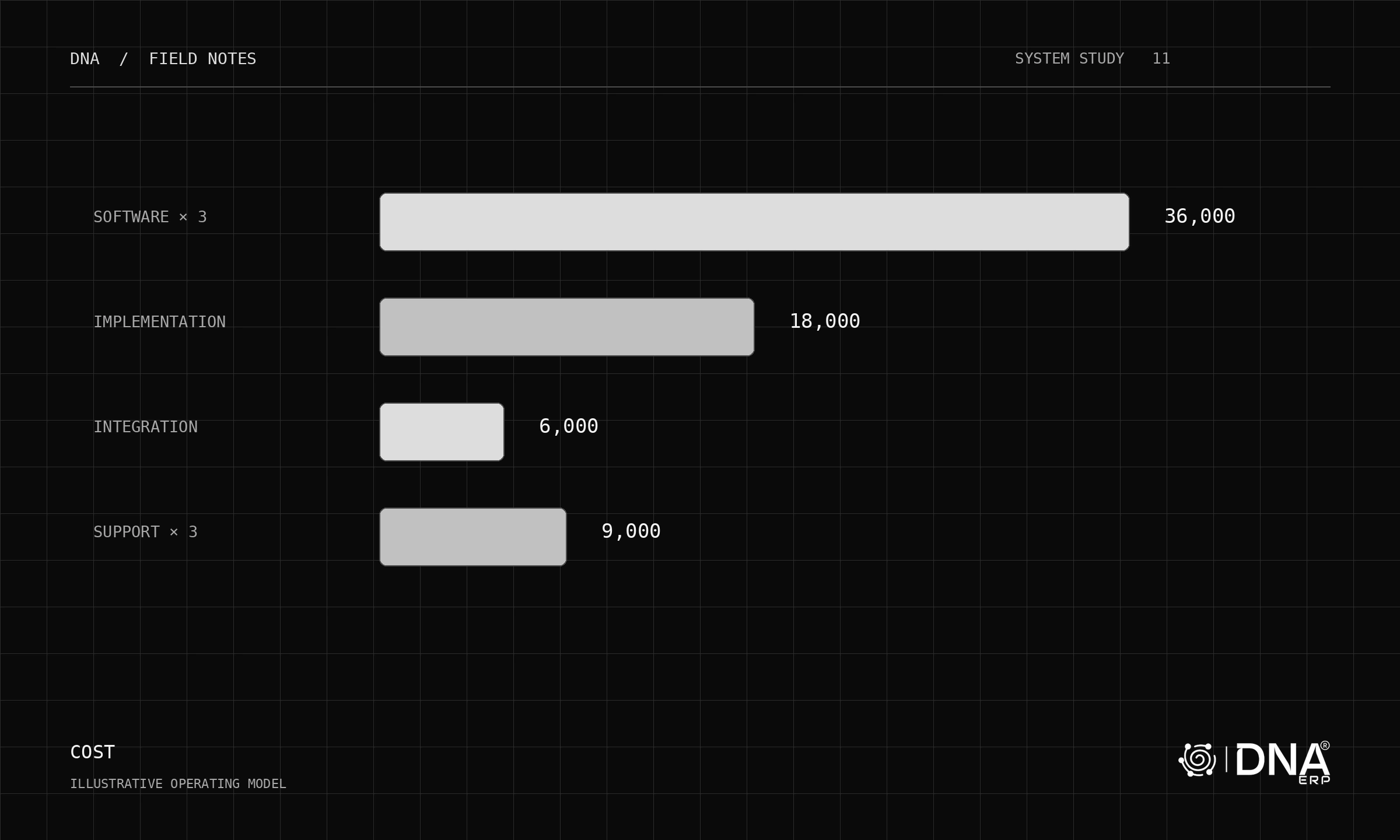
A supplier quotes 20 per unit. The item reaches your warehouse at a different economic cost after freight, insurance and other applicable charges. Comparing sales margin with the supplier price alone can make a weak order look attractive.
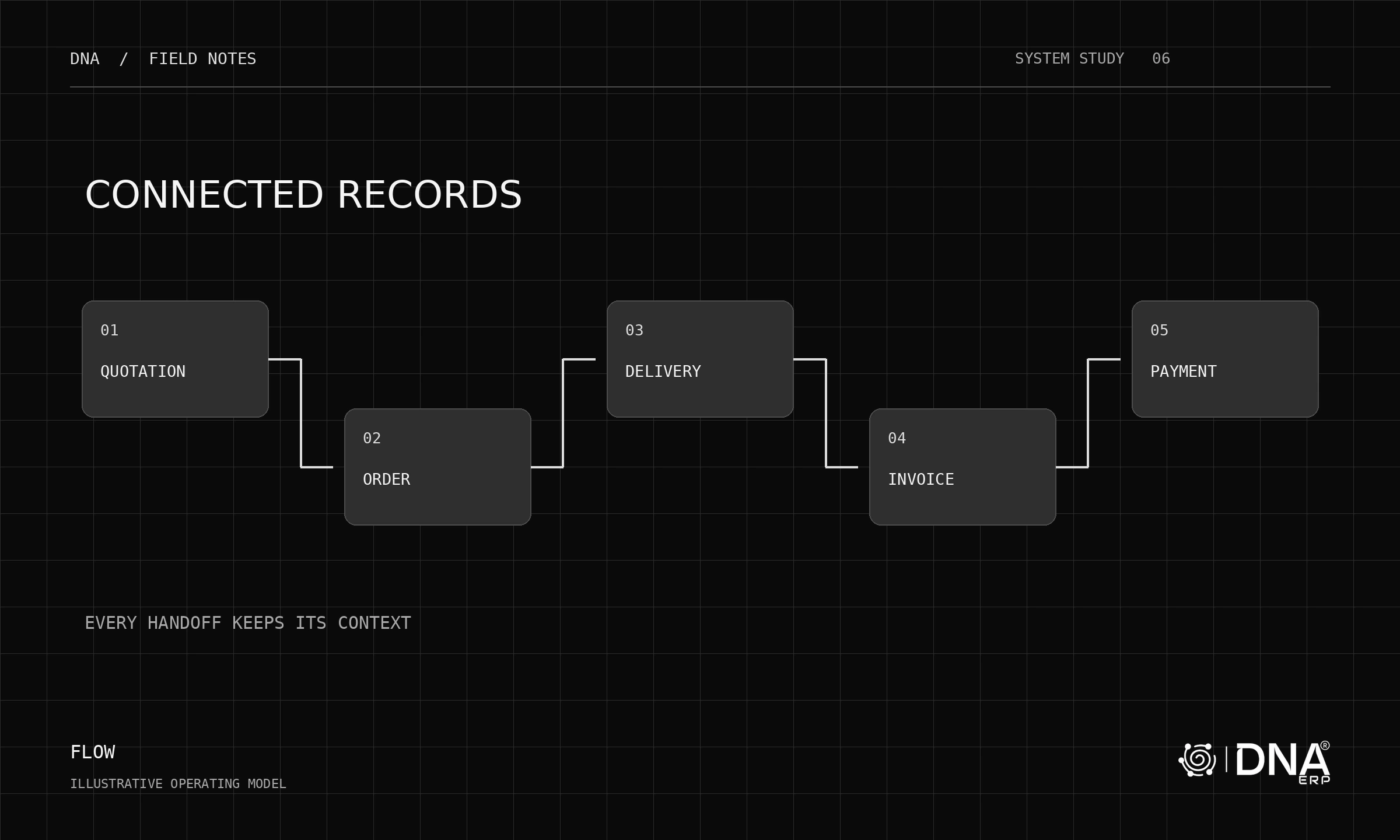
For importers and trading businesses, the important design question is how the purchase, receipt, additional charges and valuation remain connected. Establish the approved accounting policy with finance, then demonstrate the configured treatment in the ERP.
Separate quantities from costs
The purchase order states what is ordered. The goods receipt states what arrived. The supplier invoice states what is billed. Those quantities can differ legitimately while a shipment is incomplete or a discrepancy is being resolved.
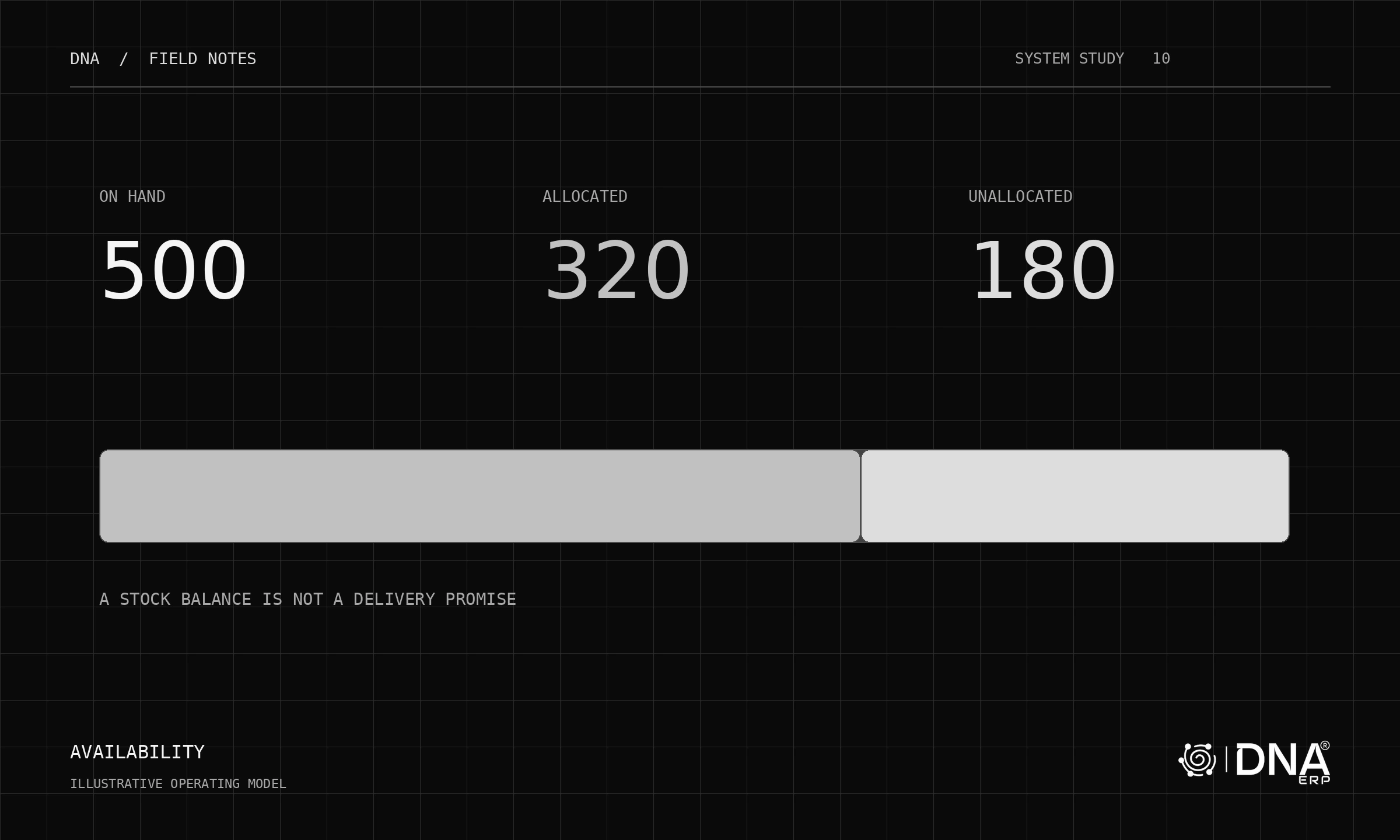
Test an order for 1,000 units with an initial receipt of 800. Keep the outstanding quantity visible and avoid treating the entire order as received because the invoice arrived first.
Choose an allocation basis deliberately
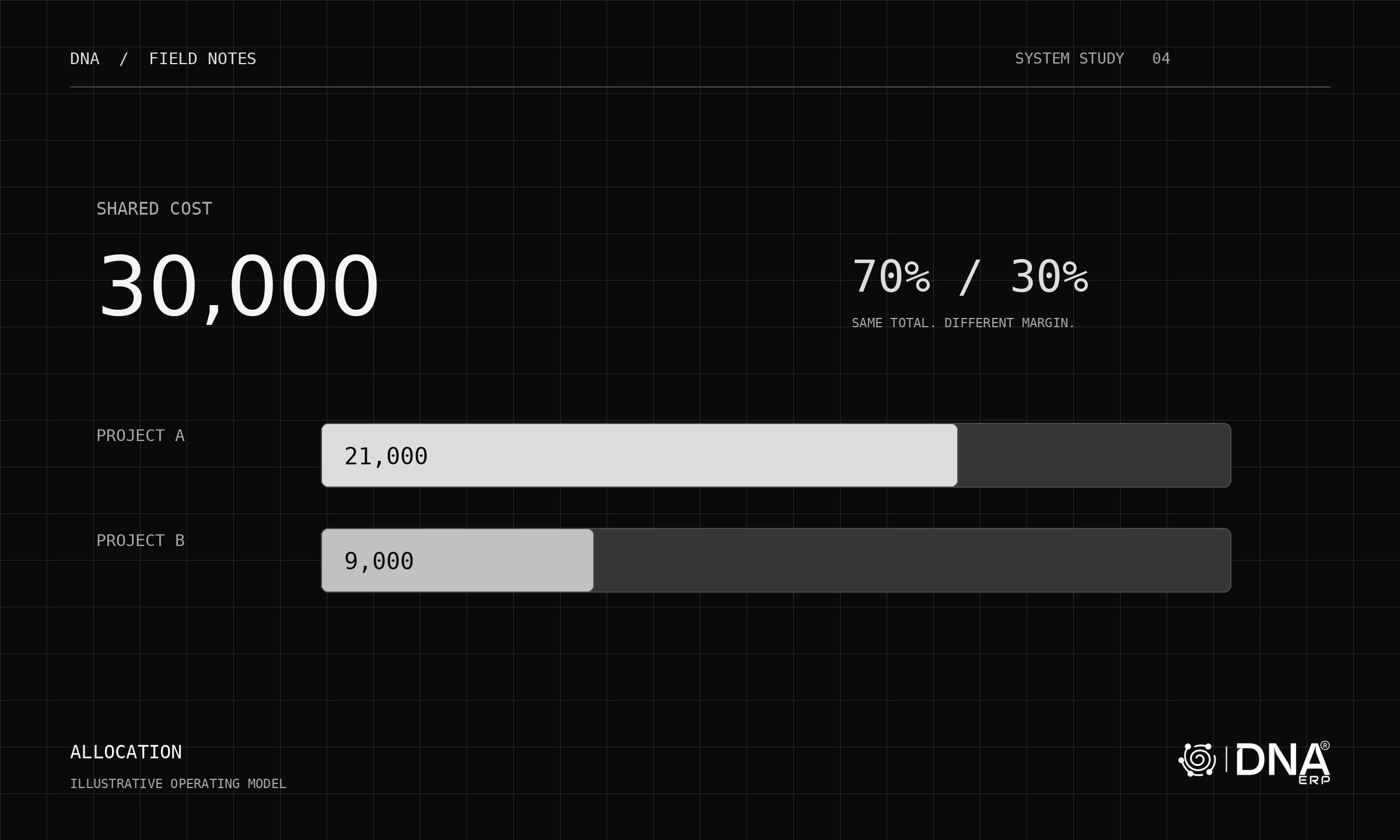
Additional costs may be allocated by value, quantity, weight or another justified basis, depending on the configured process and accounting policy. The choice changes item-level margin even when the shipment total stays the same.
In an illustrative two-item shipment, one item is inexpensive but bulky and the other expensive but light. Allocating freight by purchase value produces a different result from allocating it by weight. The correct basis needs a business reason and consistent application.
Keep currency differences explainable
Record the transaction currency and relevant rates. Distinguish the rate used for recording the purchase from later settlement effects. Do not bury all currency movement in an unexplained item-cost adjustment.
Ask how late charges are handled after stock has already been sold. This is a useful acceptance scenario because it reveals the boundary between inventory valuation and period expense treatment.
Follow the shipment in DNA
Explore the purchasing and receiving flow in Purchase & Procurement, the item and location position in Inventory & Warehouse, and the financial records in Banking & GL.
Request a sample that includes a short receipt and a late freight bill. Confirm the exact supported cost-allocation workflow during configuration. The outcome should be a cost figure your team can explain, not merely a number on an item card.