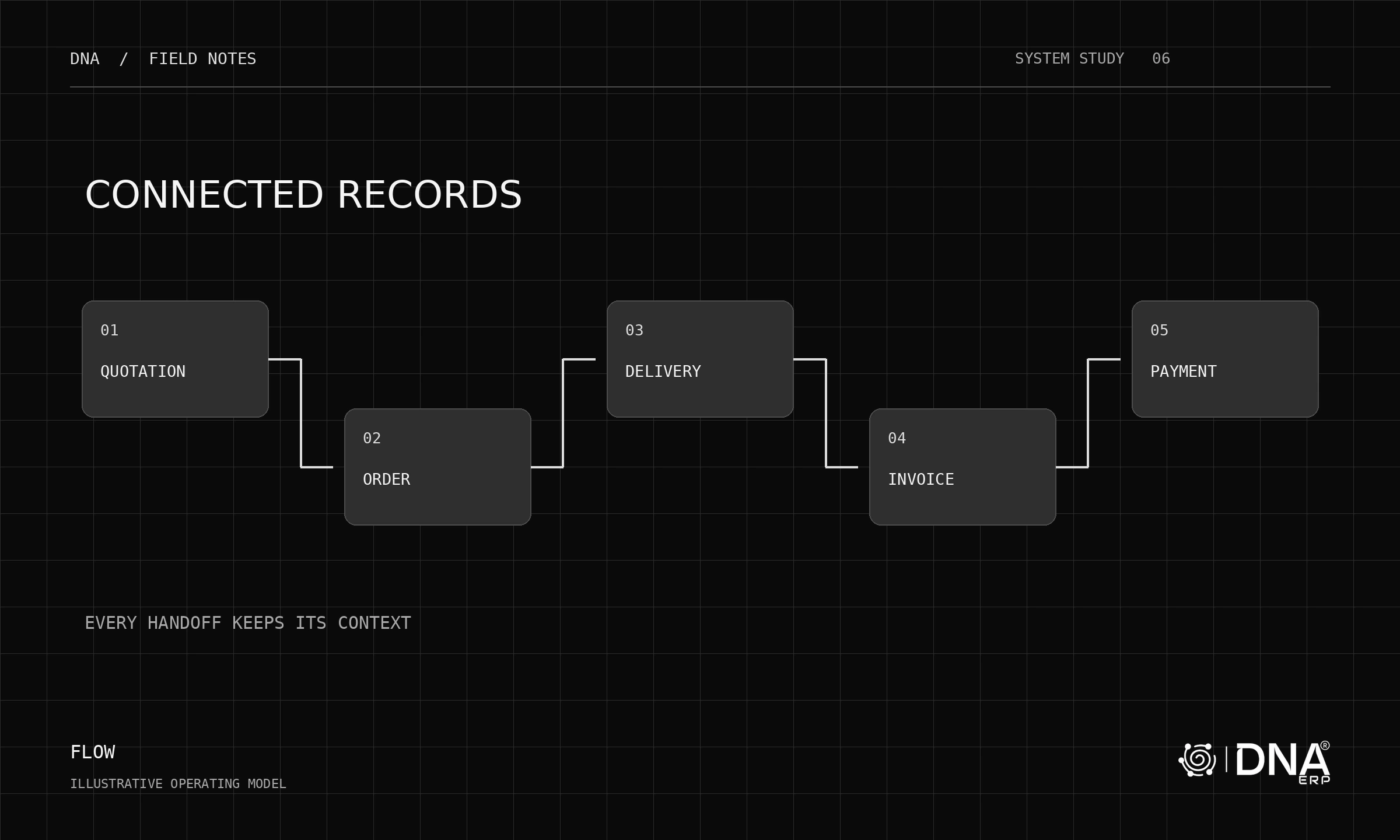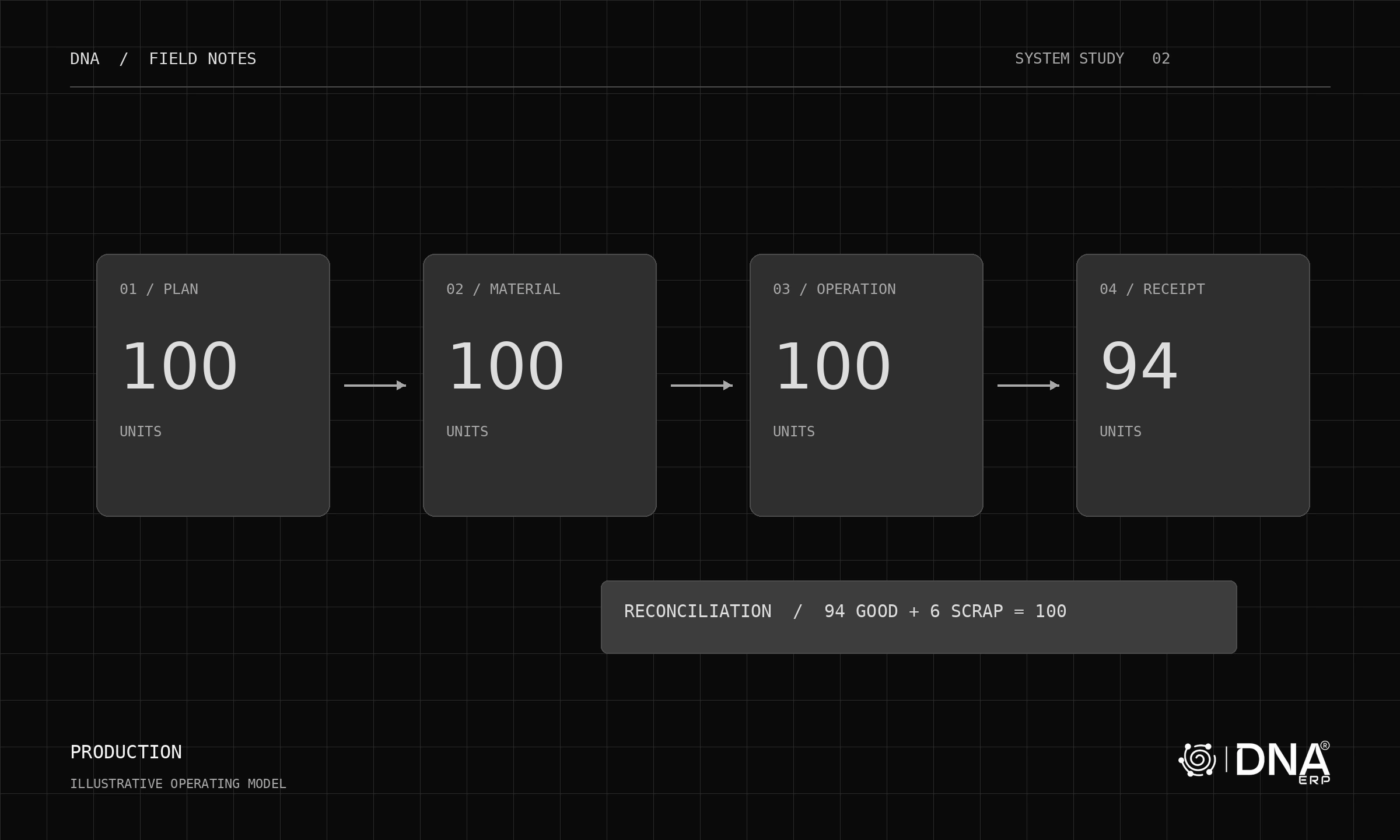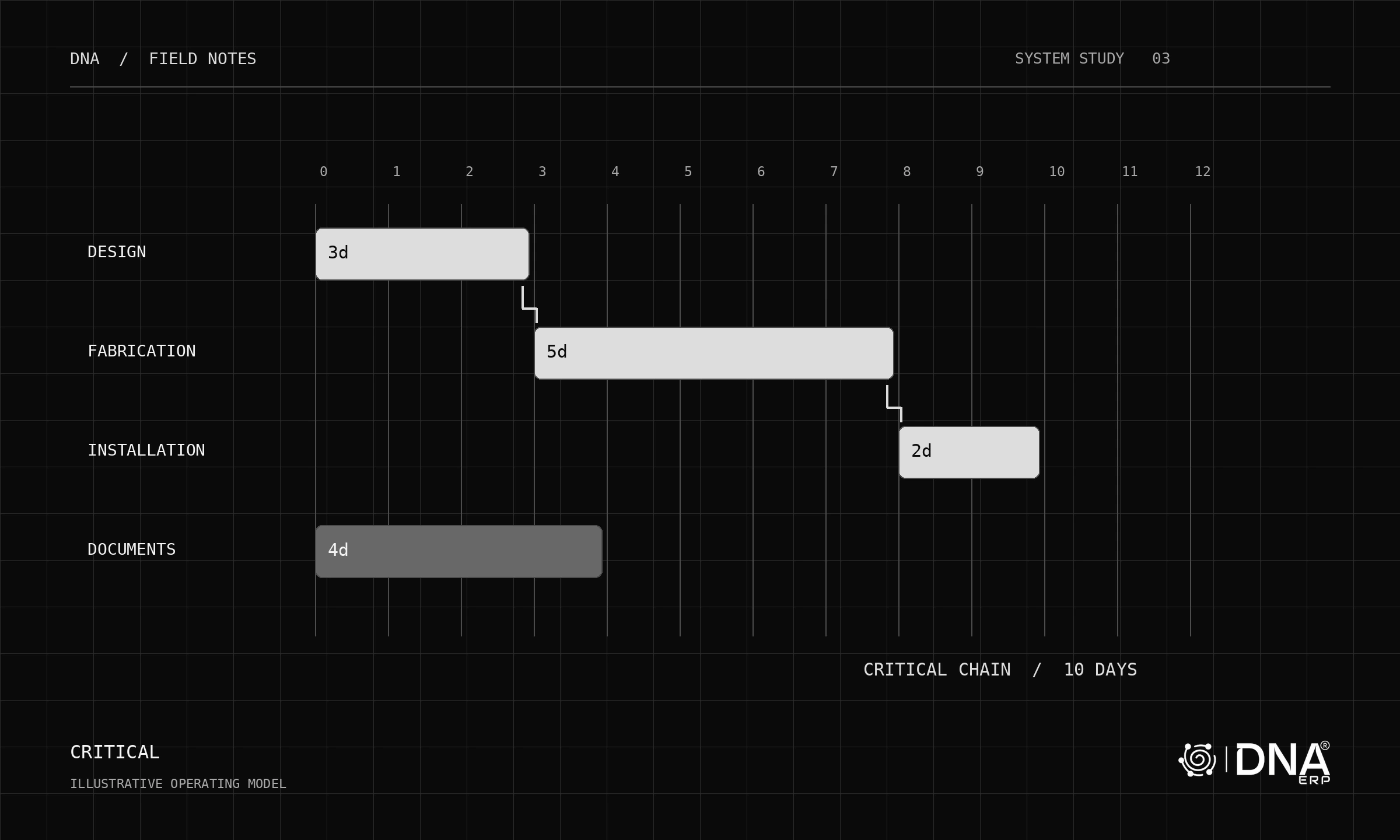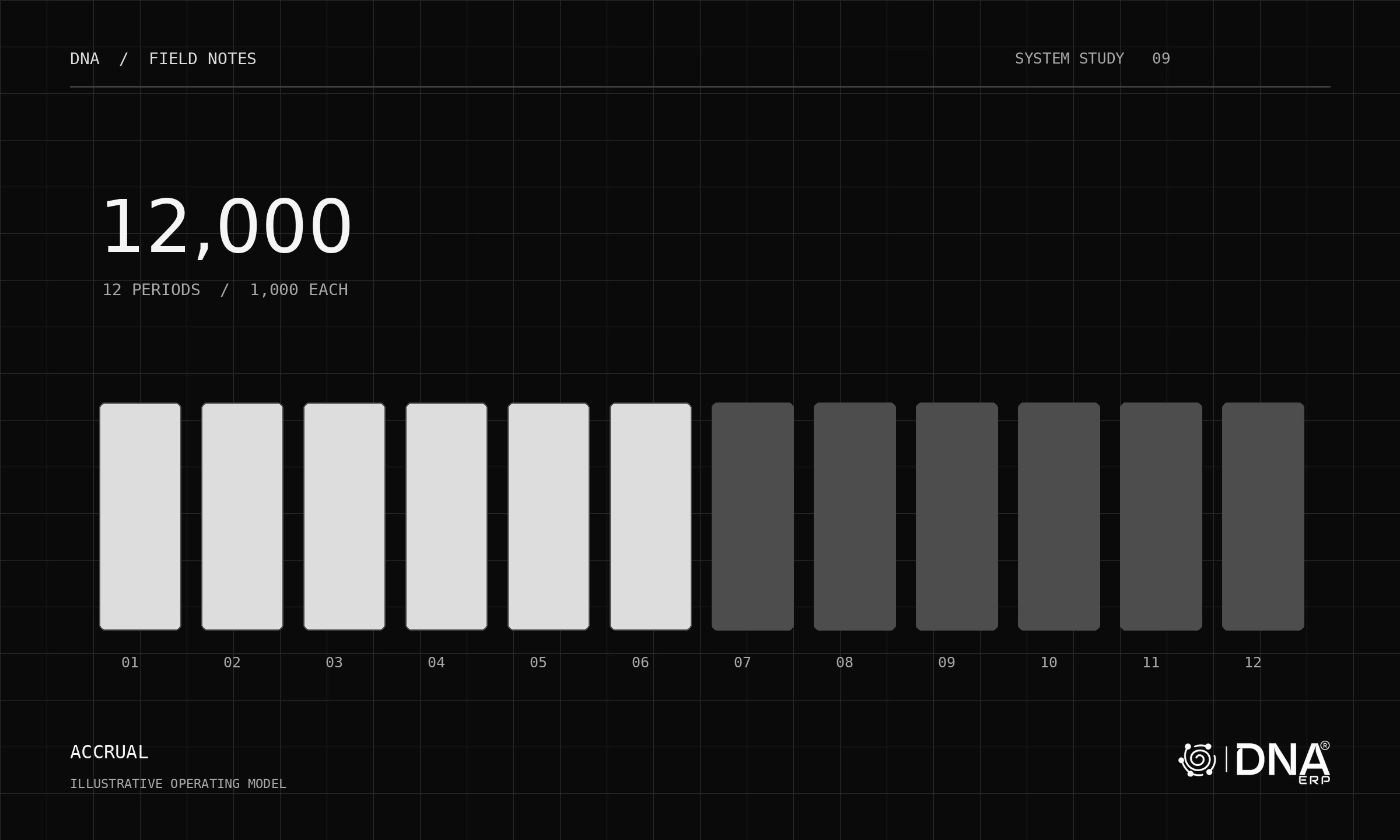
A month-end pack can look finished while several balances still depend on unexplained adjustments. For a Bahrain business evaluating ERP, the close is a useful test because it brings transaction quality, permissions and reporting together.
Define the close as a sequence
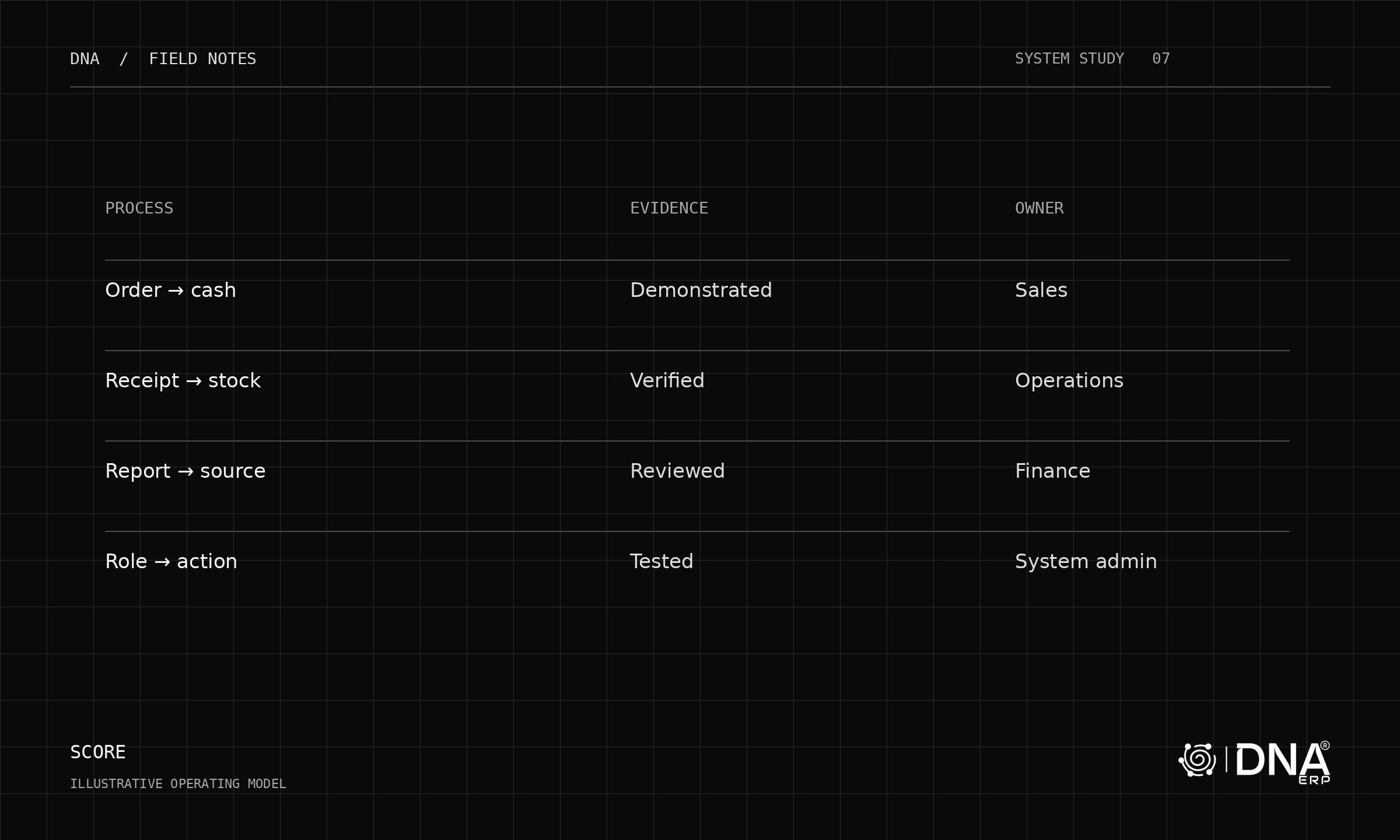
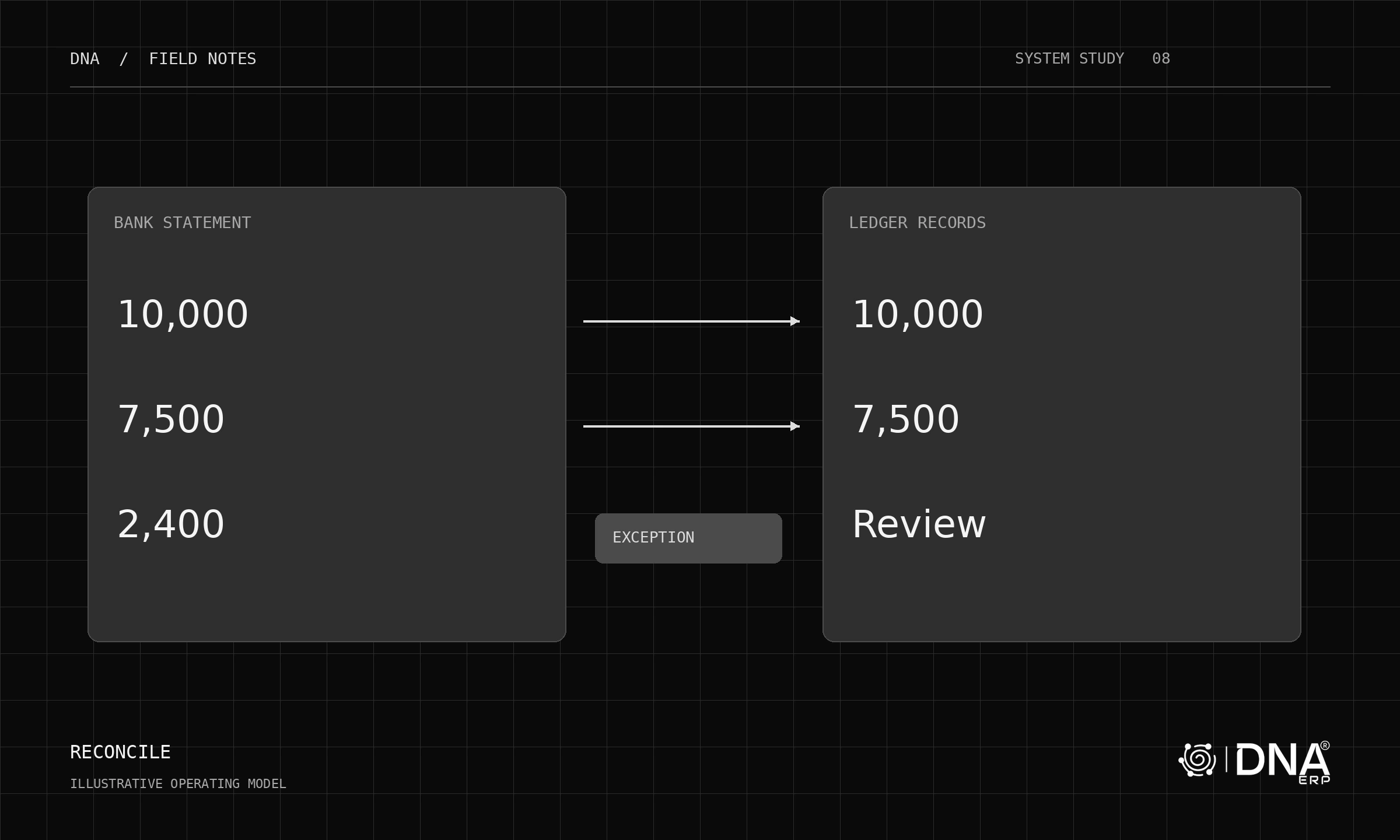
List the reconciliations and reviews your finance team requires, with owners and completion evidence. Typical operating questions include whether bank movements are explained, customer and supplier balances reconcile, and the relevant period adjustments have been reviewed.
Use your approved accounting policies to define the entries. This guide describes an evaluation workflow, not the accounting treatment of a particular transaction.
Follow one balance back to its source
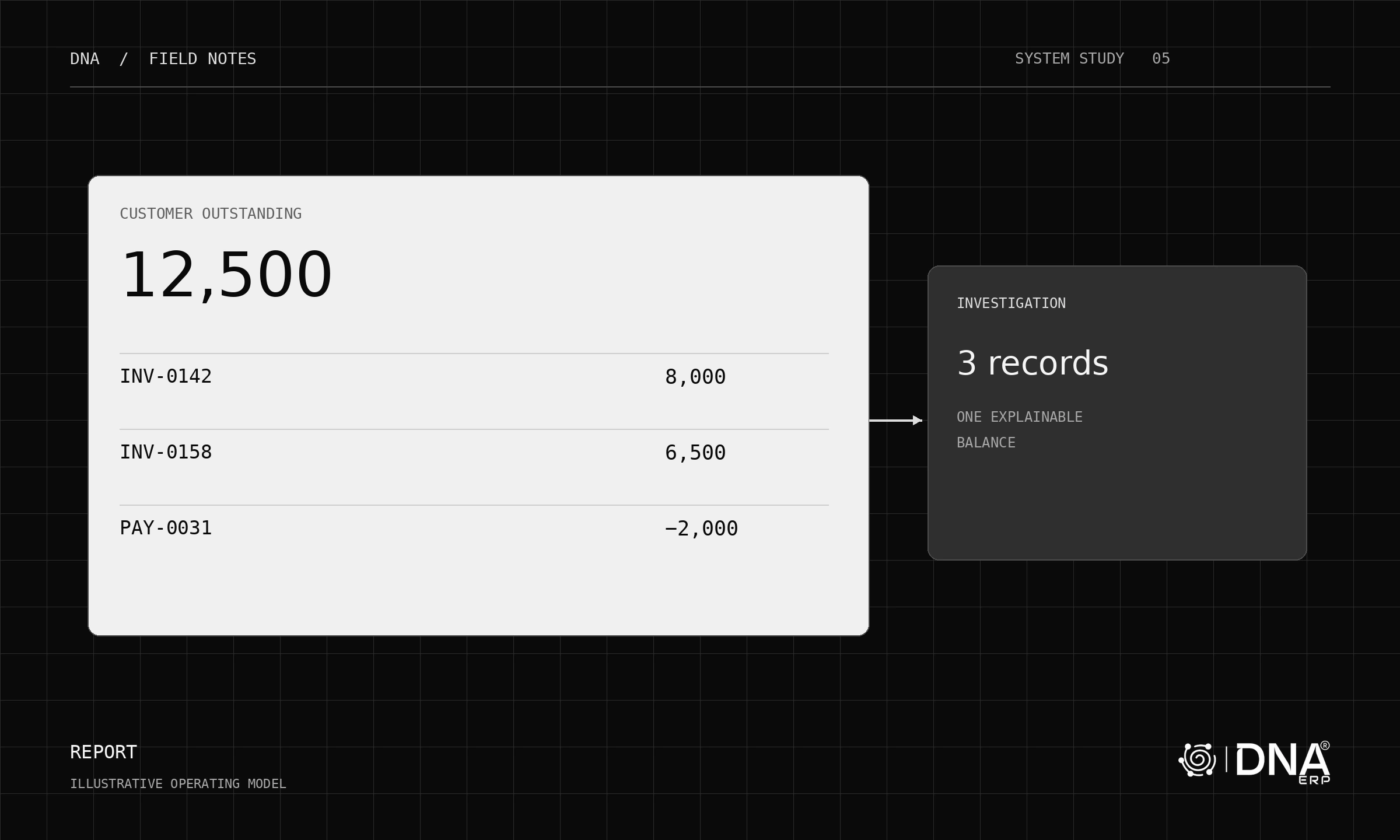
Choose a sample receivable and inspect the invoices and payments that explain it. Repeat the exercise for a bank difference. A useful ERP lets the reviewer retain the report context while investigating the underlying records.
In DNA, explore Banking & GL and Report Center together. Include an unresolved item so the team demonstrates how it is tracked rather than forcing every sample to reconcile perfectly.
Test dates and permissions
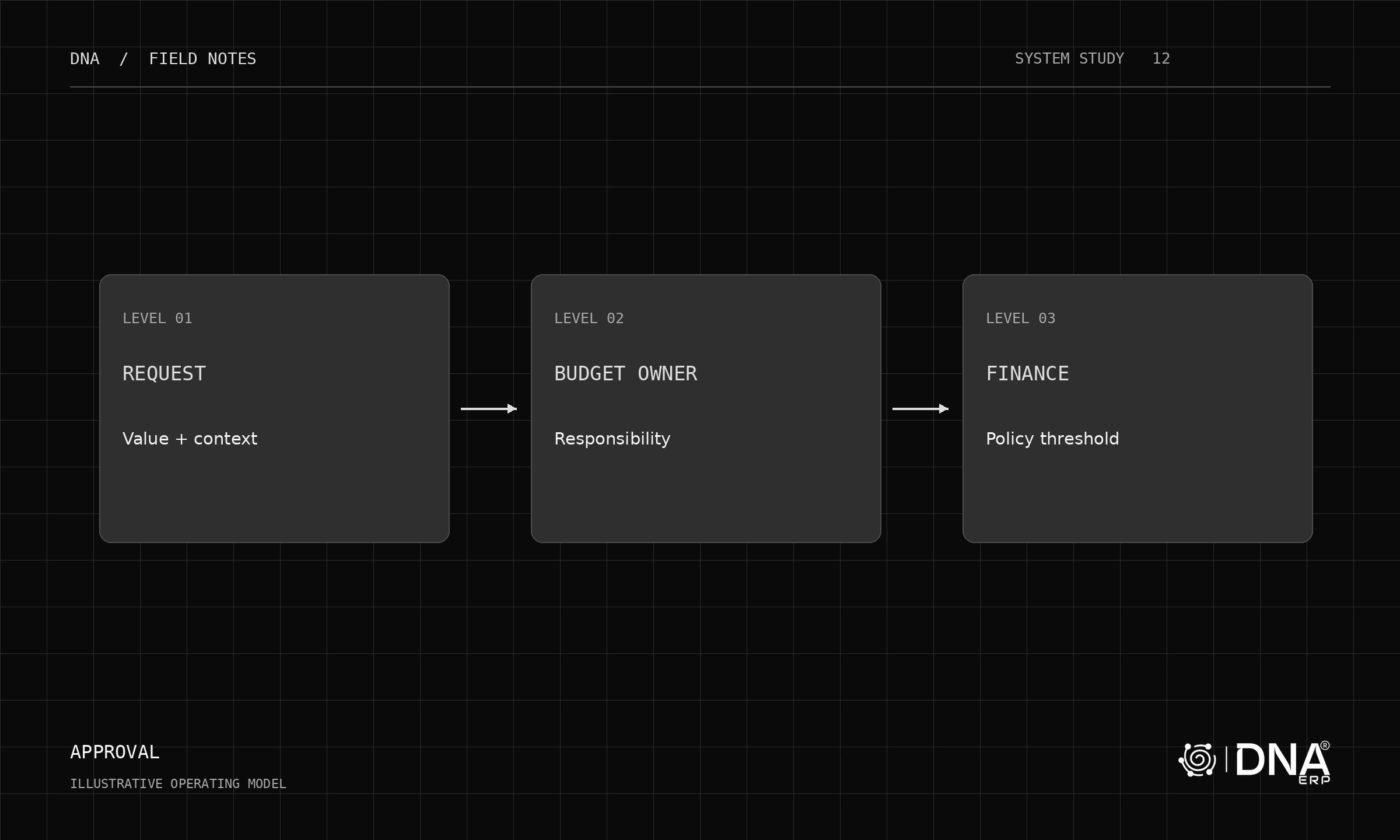
Review the intended fiscal periods and who can post or approve relevant entries. Test the behaviour around a period boundary with the configured roles. Confirm BHD and other required currencies, decimal presentation and bilingual output.
Make the recurring pack dependable
Define each report’s scope and date basis before scheduling delivery. A previous-month report should advance its period as intended. Verify the recipients and sharing settings for internal and external audiences.
Confirm current local requirements and delivery arrangements with the appropriate advisers and provider. The selection result should be a close process that another team member can reproduce, supported by records rather than personal explanations.