Blog post
June 27, 2026

Best ERP Software in 2026: A Complete Guide to Choosing the Right System

Compare the best ERP software in 2026 by business size, region and industry. Selection criteria, must-have features, pricing and how to shortlist the right ERP system.

There are hundreds of ERP products on the market, so "the best ERP software" is never one universal winner — it's the system that fits your size, industry, region and budget. This guide gives you a clear framework to compare the best ERP systems in 2026, the features that actually matter now, and how to build a shortlist you can trust. New to the category? Start with our plain-English explainer on what ERP is and how it works, then come back here.

What's on This Page

What Makes an ERP "the Best" for You

The right ERP is the one that matches your reality. Score every option against:

  • Fit to your industry workflows — generic software forces you to bend; the best ERP bends to you.
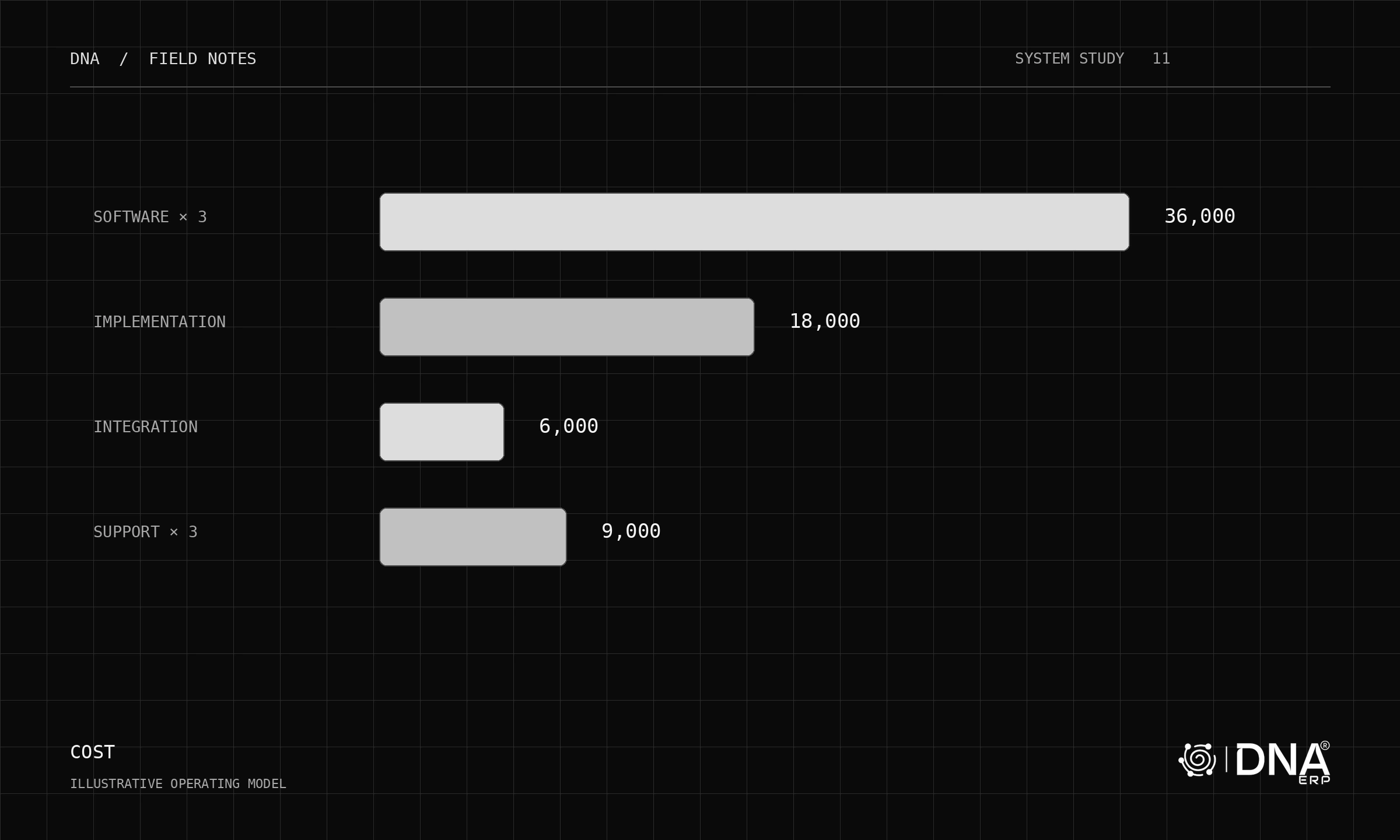
  • Total cost of ownership — licences, implementation, training, support and upgrades over five years, not just the sticker price. We break this down in our ERP cost guide.
  • Deployment model — cloud vs on-premise (see cloud ERP vs on-premise).
  • Local compliance — tax, e-invoicing and language support for the countries you operate in.
  • Ease of use & adoption — the most powerful system fails if your team won't use it.
  • Scalability — can it handle more users, entities, currencies and transactions as you grow?

The Main Types of ERP Software

  • Tier 1 / enterprise ERP (e.g. SAP, Oracle): deep and powerful, but long, expensive implementations — usually for very large multinationals.
  • Mid-market ERP (e.g. NetSuite, Microsoft Dynamics): broad functionality for growing companies, with mid-range cost and complexity.
  • SMB & modern cloud ERP (including DNA ERP): fast to deploy, subscription-priced, no-code customisation, AI built in — ideal for startups, SMEs and mid-market groups that want enterprise capability without enterprise overhead.

Independent category overviews such as the G2 ERP systems category and Gartner are useful neutral references when you're scanning the landscape.

Must-Have ERP Features in 2026

Best ERP Software by Business Size

  • Startups & small business: prioritise low TCO, fast setup and ease of use. A modern cloud ERP with transparent per-user pricing wins. See how to choose the right ERP.
  • SMEs & mid-market: you need depth (multi-warehouse, projects, approvals) without an 18-month rollout.
  • Large enterprises & multi-company groups: consolidation, intercompany transactions and per-entity compliance are the deciding factors — follow our implementation guide.

Best ERP Software by Region

Local compliance and support change the answer by country. We've written dedicated buyer's guides:

Best ERP Software by Industry

The best ERP for you often comes down to industry fit:

Where DNA ERP Fits

DNA ERP is an AI-powered cloud ERP built for startups, SMEs, mid-market companies and multi-company groups worldwide. It combines nine integrated modules, no-code customisation, AI analytics, multi-company support and built-in regional compliance — with transparent per-user pricing and a 14-day free trial. It's a strong pick when you want enterprise capability, fast deployment and value, especially across the GCC and globally. Trusted by 43,000+ users across 55+ industries.

How to Shortlist and Choose

  1. Write your top 10 requirements (must-have vs nice-to-have).
  2. Long-list 5–8 vendors; narrow to 3 for demos using your real scenarios.
  3. Compare 5-year TCO, not monthly price.
  4. Check references in your industry and region.
  5. Run a short pilot or free trial before signing.

Frequently Asked Questions

What is the best ERP software in 2026?

There's no single winner — the best ERP depends on your size, industry, region and budget. Use the criteria above to shortlist, then trial 2–3 systems. For most growing businesses, a modern cloud ERP with AI and no-code customisation offers the best balance of capability and cost.

What is the best ERP for small business?

Look for low total cost of ownership, fast implementation, ease of use and transparent per-user pricing. Cloud ERP almost always beats on-premise for small businesses — see our cloud vs on-premise comparison.

How much does ERP software cost?

Modern cloud ERP is typically priced per user per month. Full ranges and what drives cost are in our ERP pricing guide. DNA ERP's plans are public on the pricing page.

How long does ERP implementation take?

Roughly 2–4 months for small businesses, 4–8 months for mid-market, and 8–18 months for large enterprises. Our implementation guide explains how to keep it on track.

Related Articles

Last updated: June 2026 — Start a free 14-day trial of DNA ERP or talk to our team to see which configuration fits your business.

Other posts

1Register
2Verify
3Access
DNA ERP

Start Your Free Trial

14 days free. No credit card required.