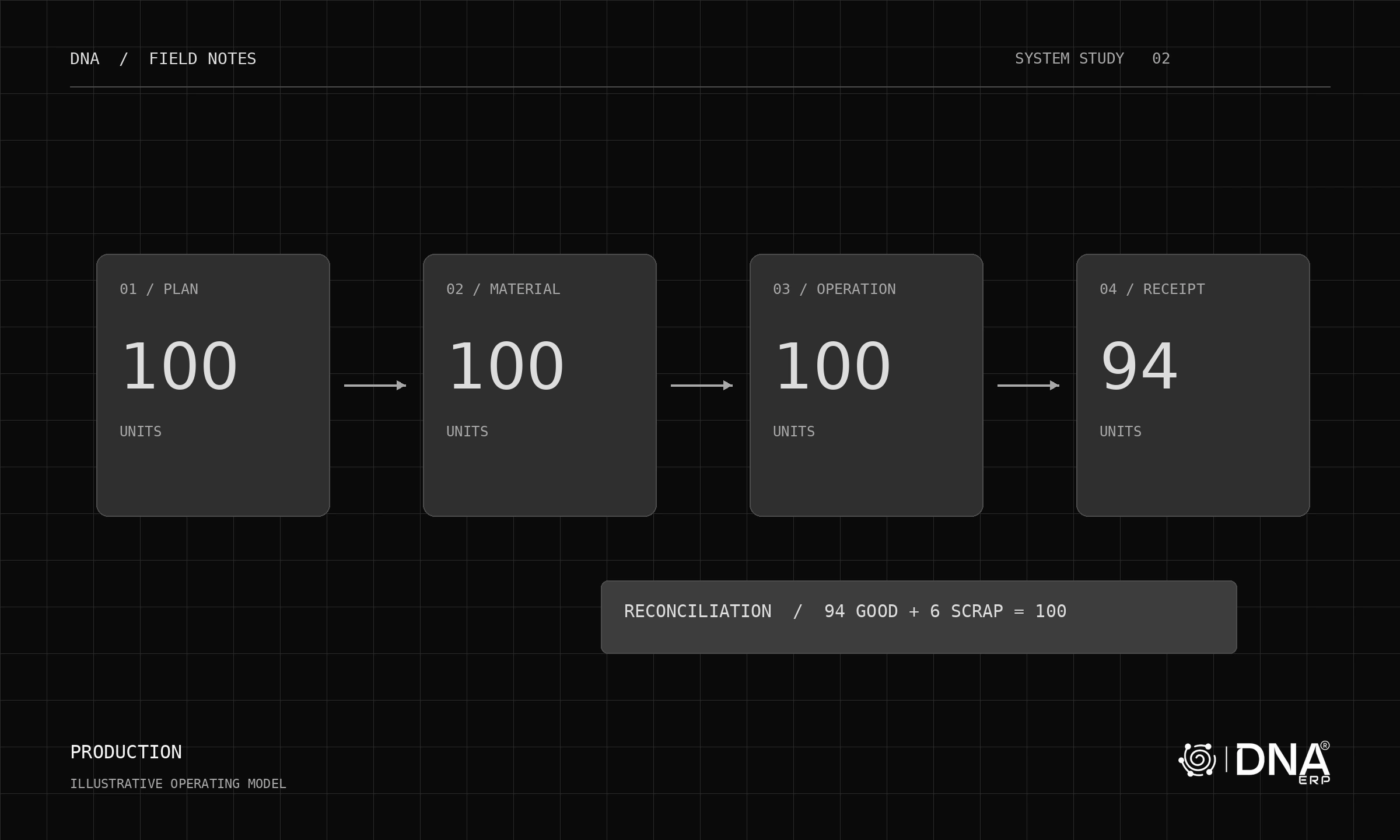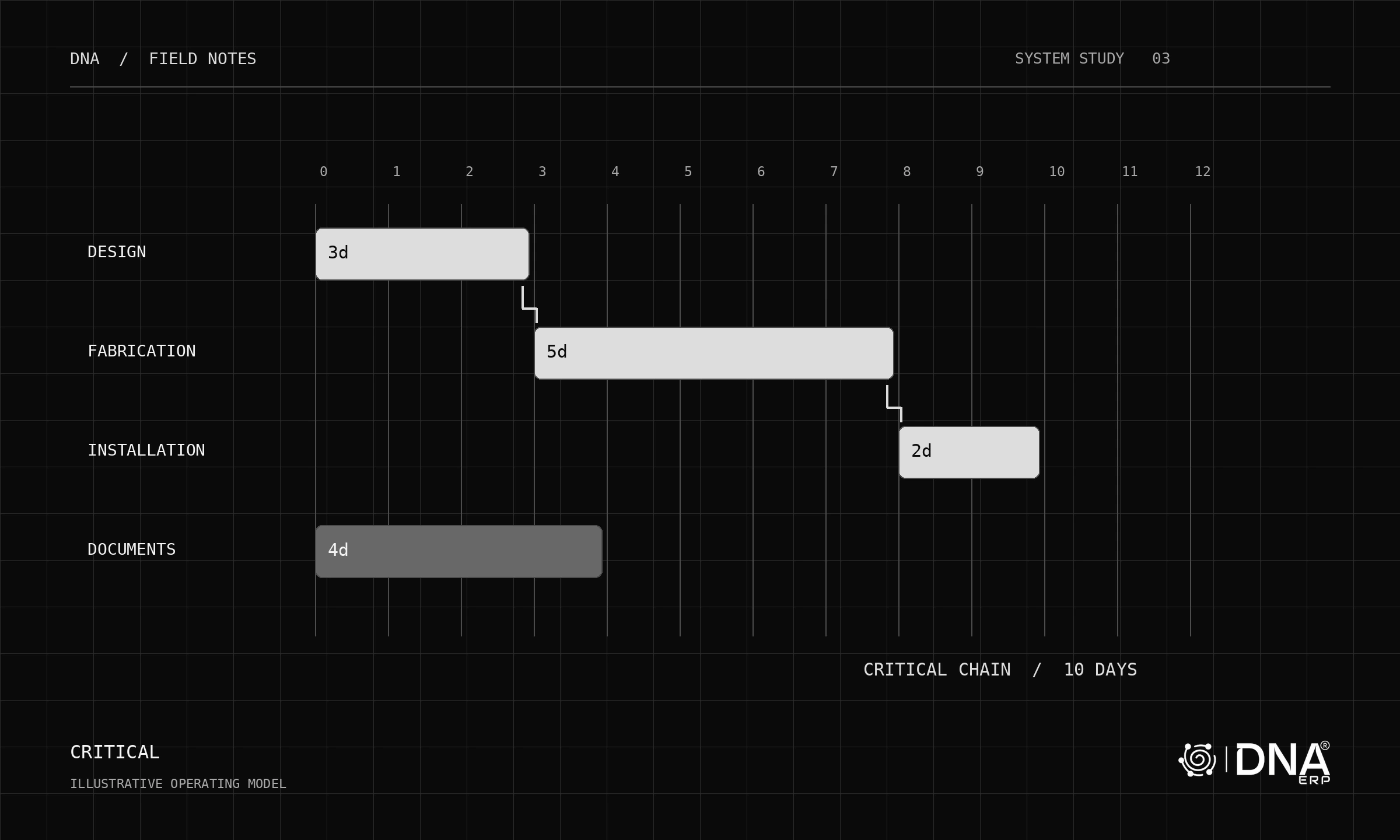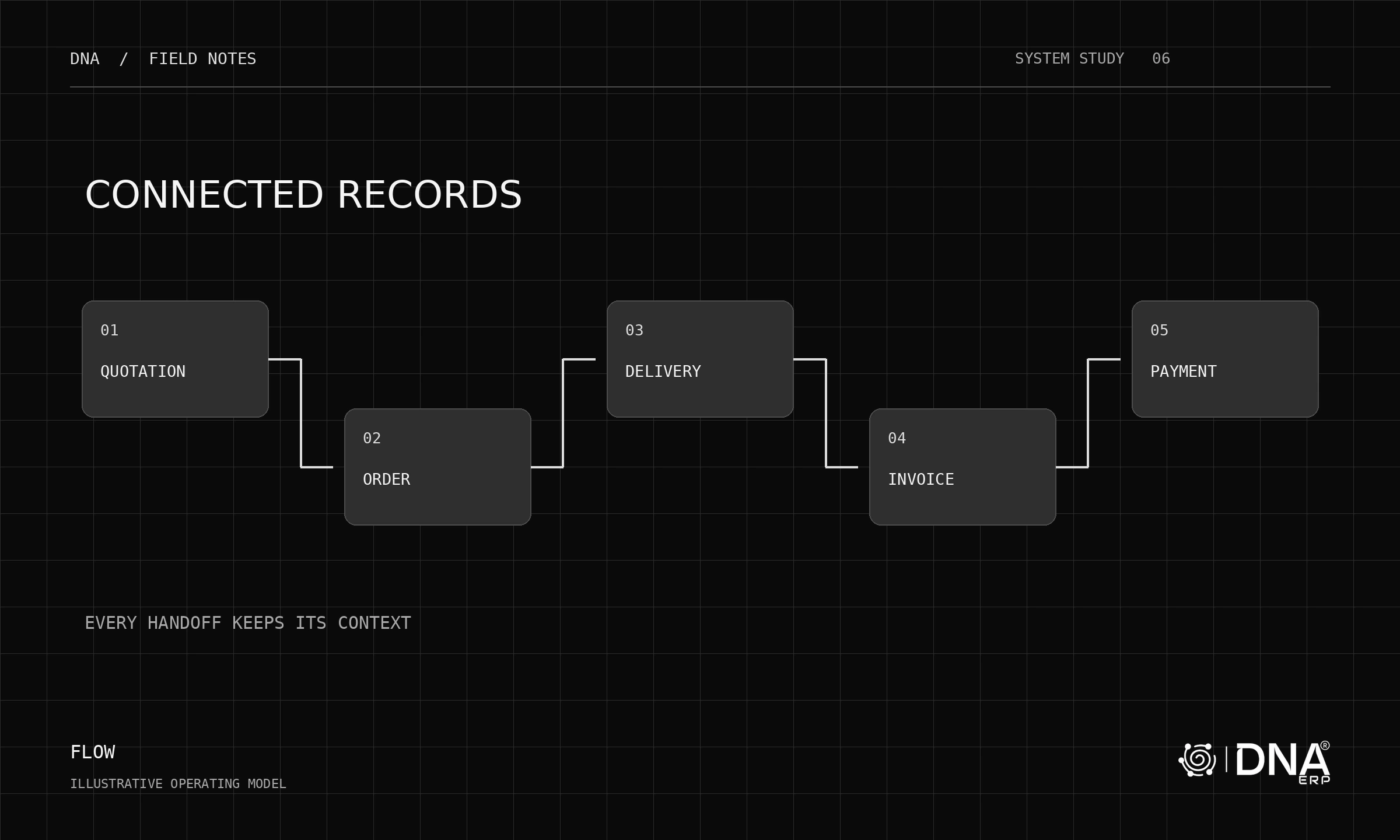
When a material arrives late, the impact can reach far beyond purchasing. A production order waits, a site team changes its sequence and the customer’s delivery date becomes uncertain. An ERP evaluation for an Oman industrial or trading business should follow that dependency.
Compare offers in context
Build a sample requisition and supplier enquiry. Compare the quoted price, quantity, expected delivery and commercial terms together. The lowest unit price may not support the required delivery plan.
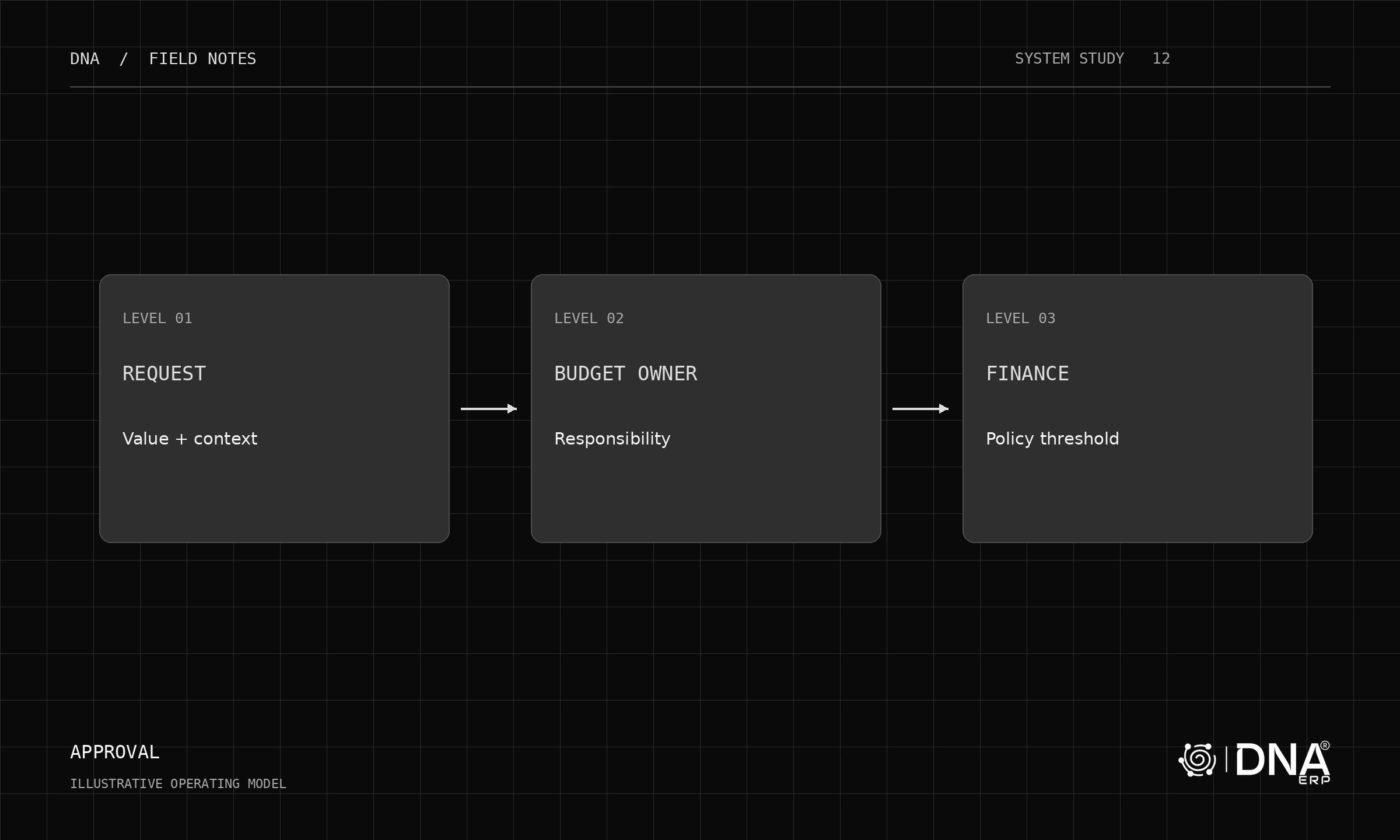
In DNA, explore the RFQ and supplier-comparison workflow in Purchase & Procurement. Ask how the selected offer becomes an approved order and which references remain available afterward.
Delay the receipt deliberately
Use a sample order with two delivery dates. Move one date and inspect the open quantity. Then follow the affected stock requirement or production job. The test should reveal where the team sees the exception and who owns the next decision.
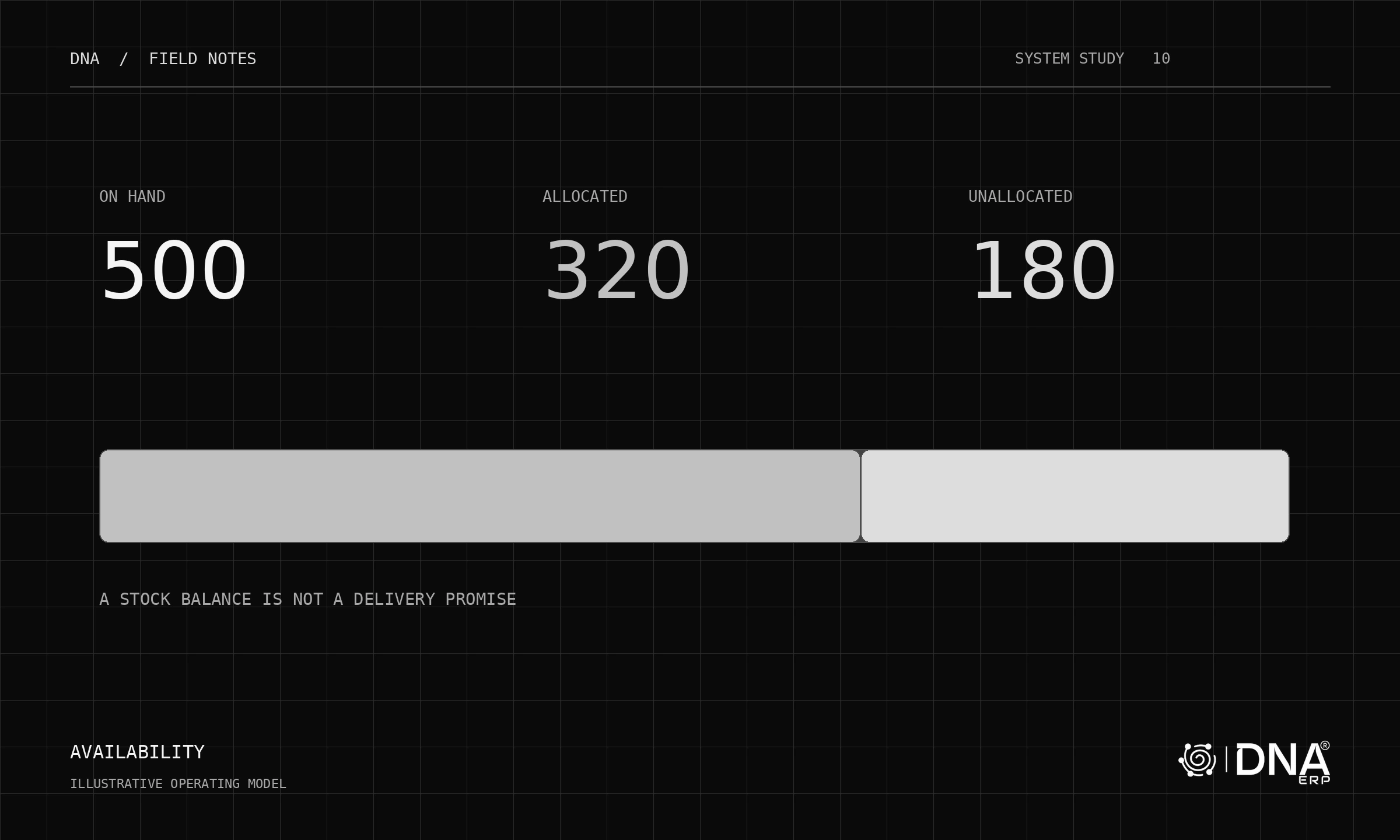
Do not count a purchase order as received inventory. Keep ordered, received and invoiced quantities distinguishable, especially when deliveries are split.
Agree the receiving discipline
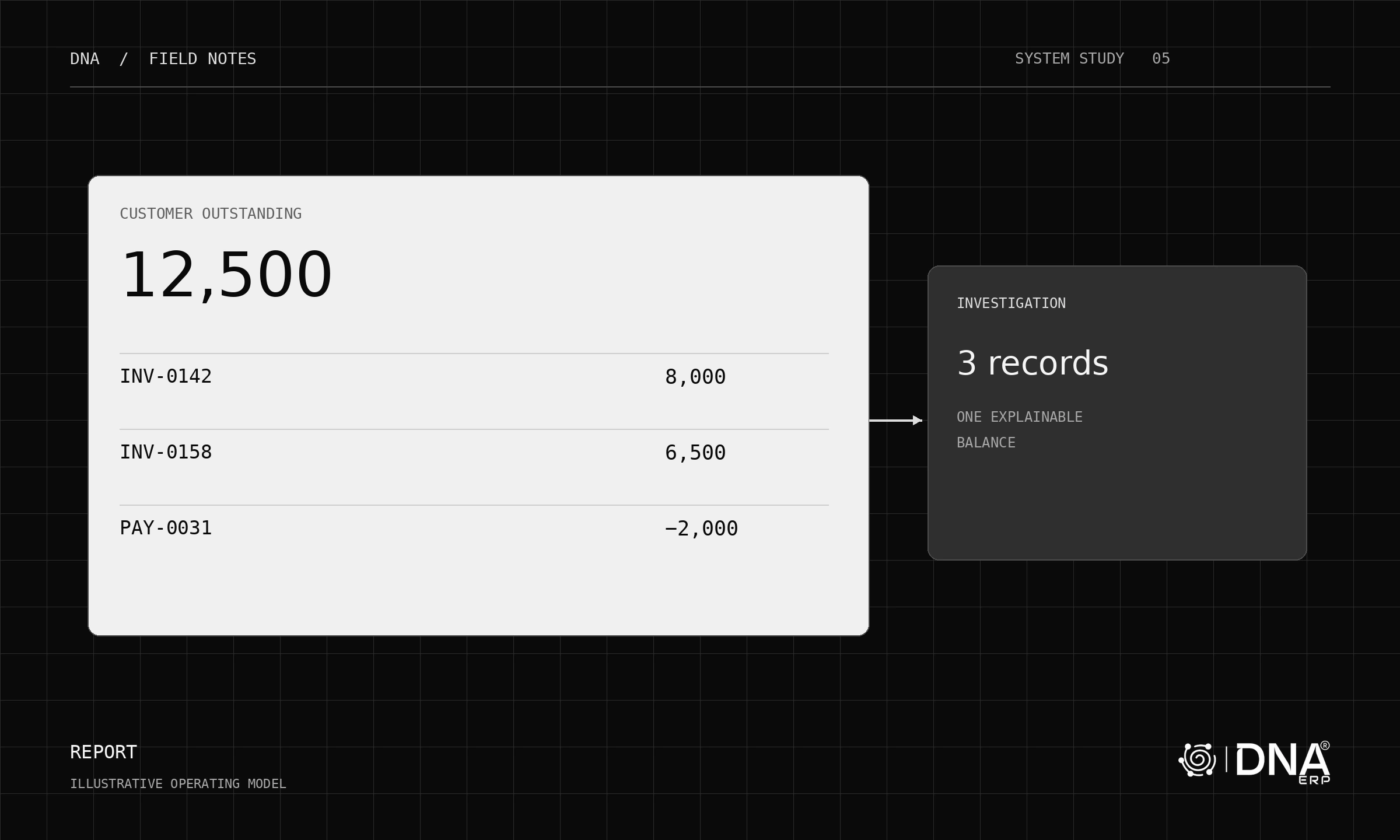
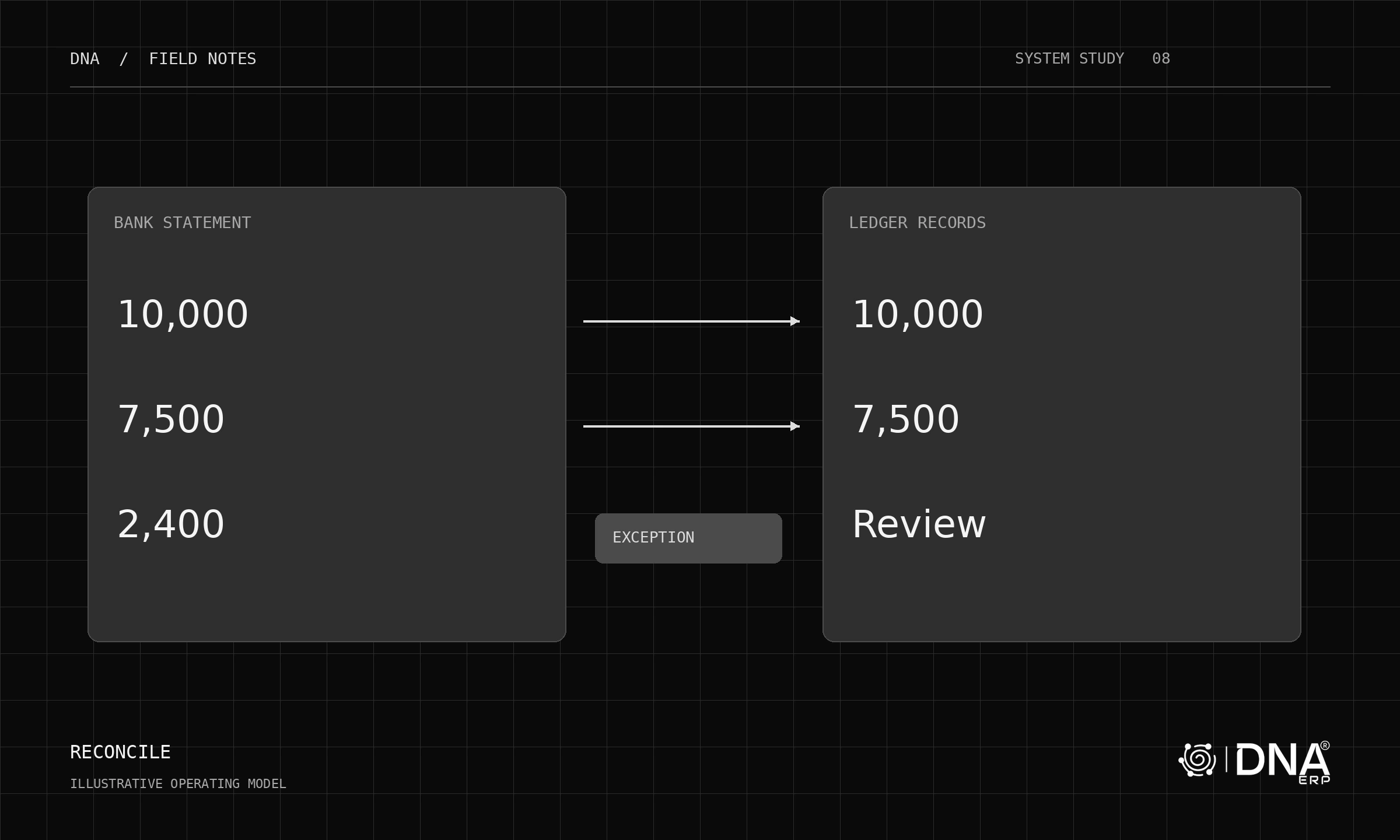
Decide who confirms quantity, who checks condition and how discrepancies are documented. Test a short receipt and a supplier invoice that does not match the received quantity. Link the discrepancy to the source record rather than relying on an unstructured email thread.
Verify the local operating fit
Review OMR and other transaction currencies, Arabic and English output, permissions and the actual implementation service arrangements. Confirm applicable statutory requirements with your advisers and validate the configured scope.
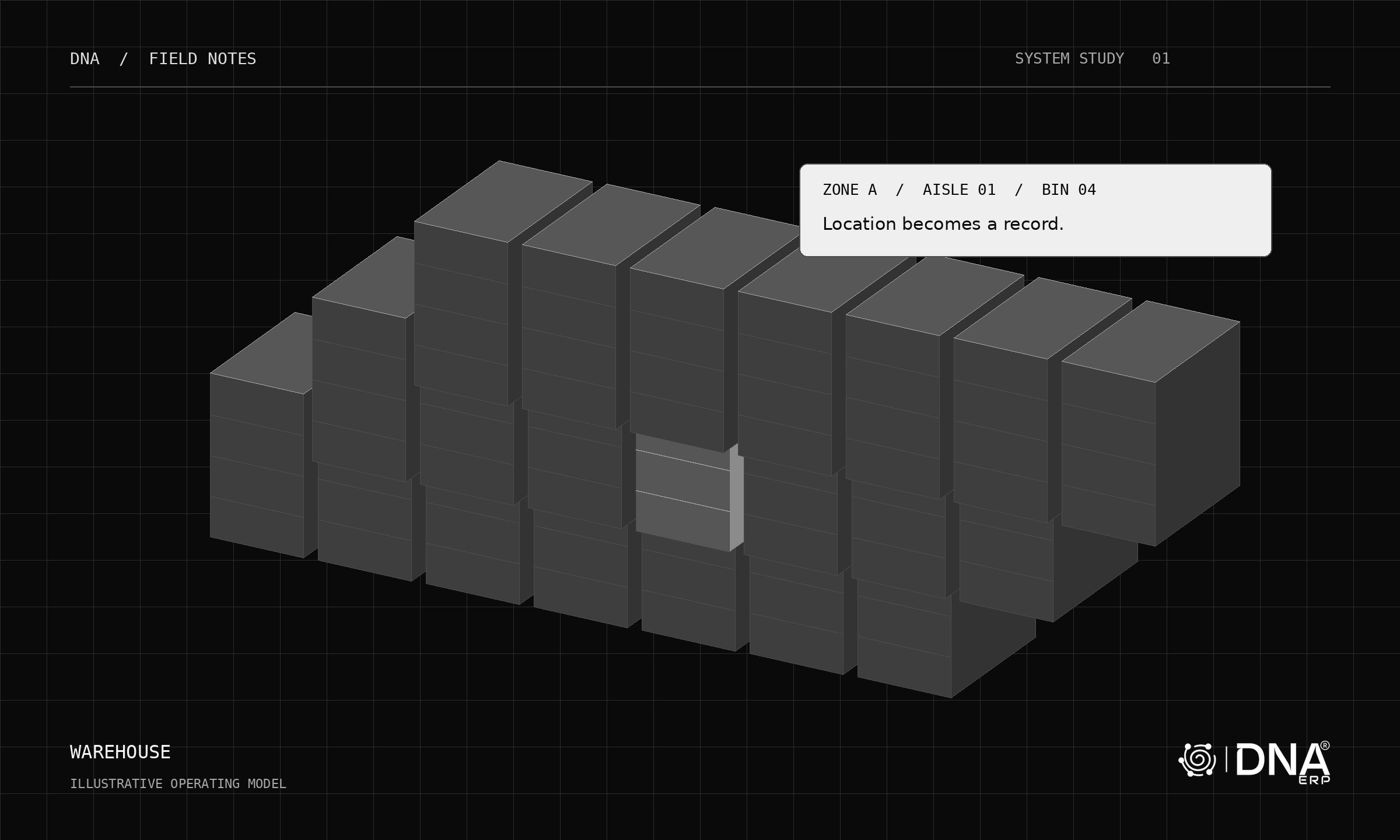
Connect the demonstration to Inventory & Warehouse and, where relevant, Manufacturing. The useful result is a purchasing decision that remains visible in the operational plan after the order has been approved.