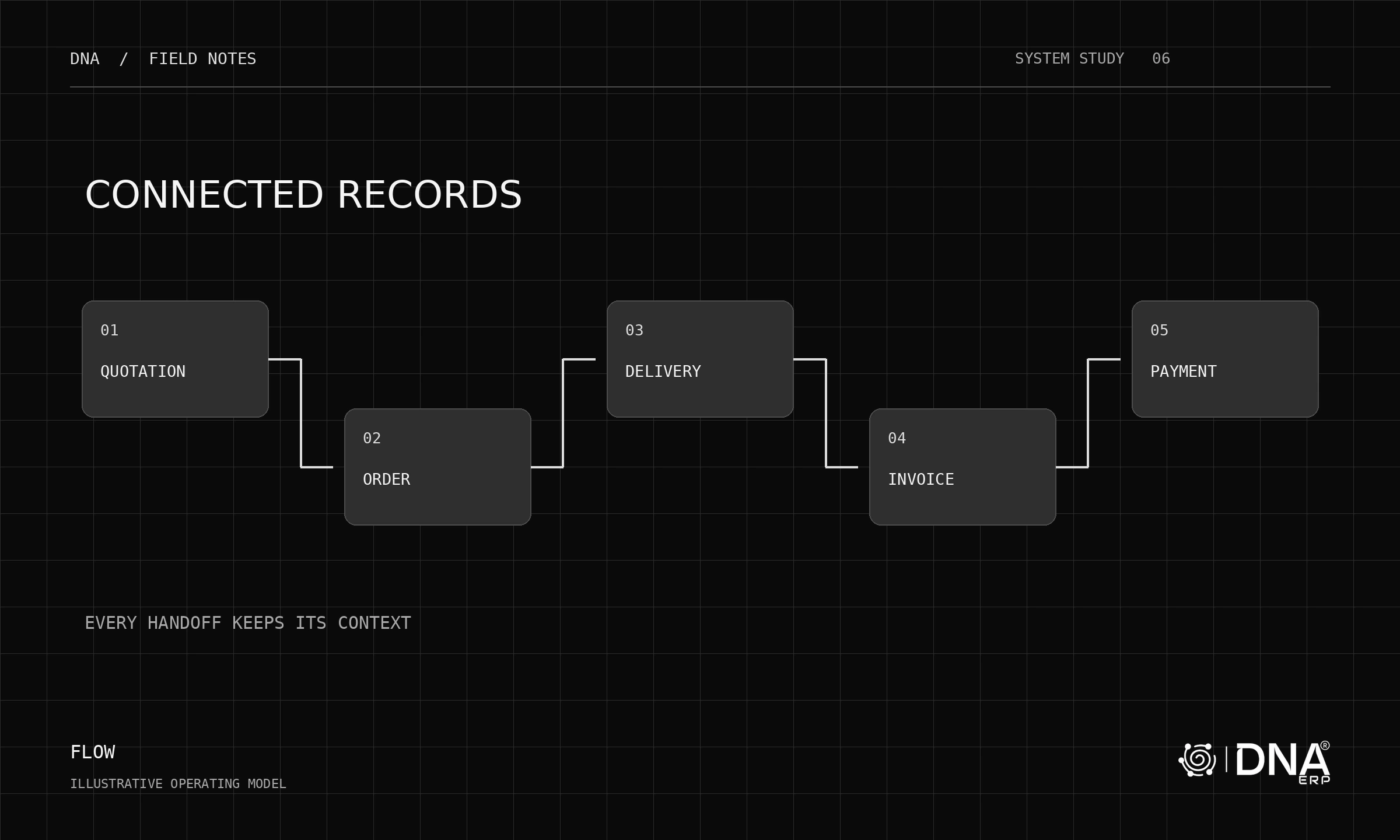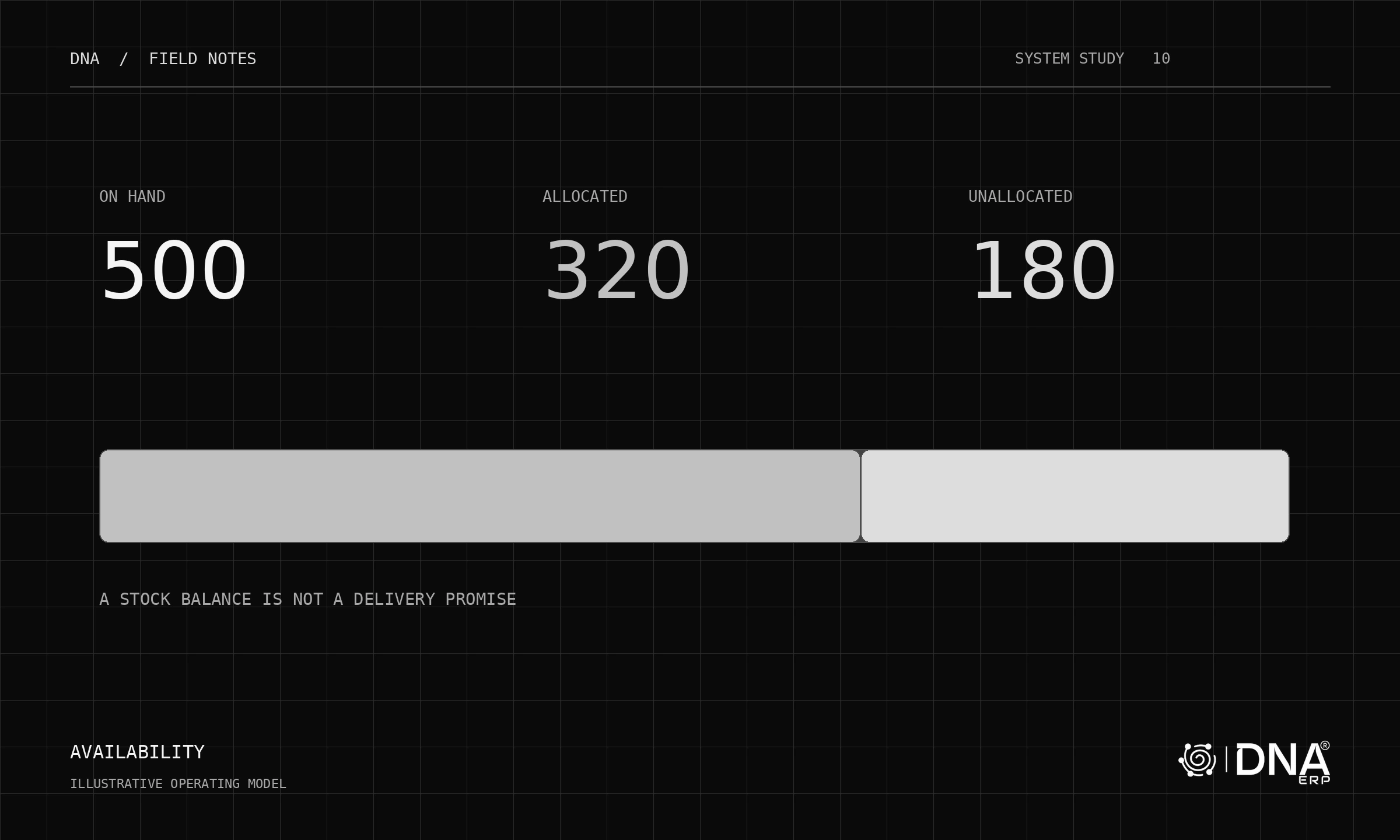
For a Kuwait trading or distribution business, a useful ERP test begins with the customer promise: what can be delivered, when, and on which terms? The answer combines stock, open orders, supplier receipts and customer exposure.
Use one item across the whole demonstration
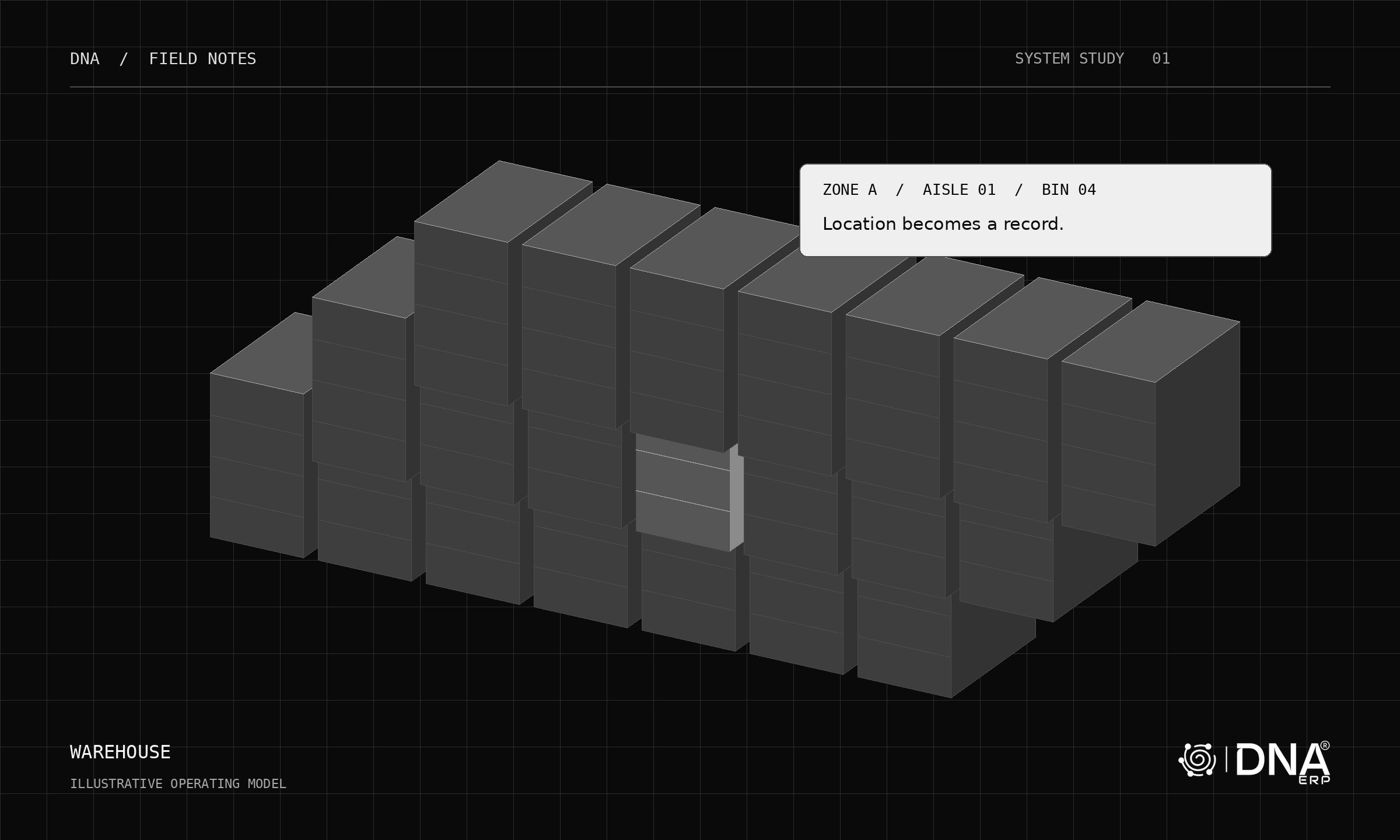
Start with a sample item that has stock in two locations, an existing customer order and an expected supplier receipt. Ask sales and warehouse users to explain the available quantity using the same records.
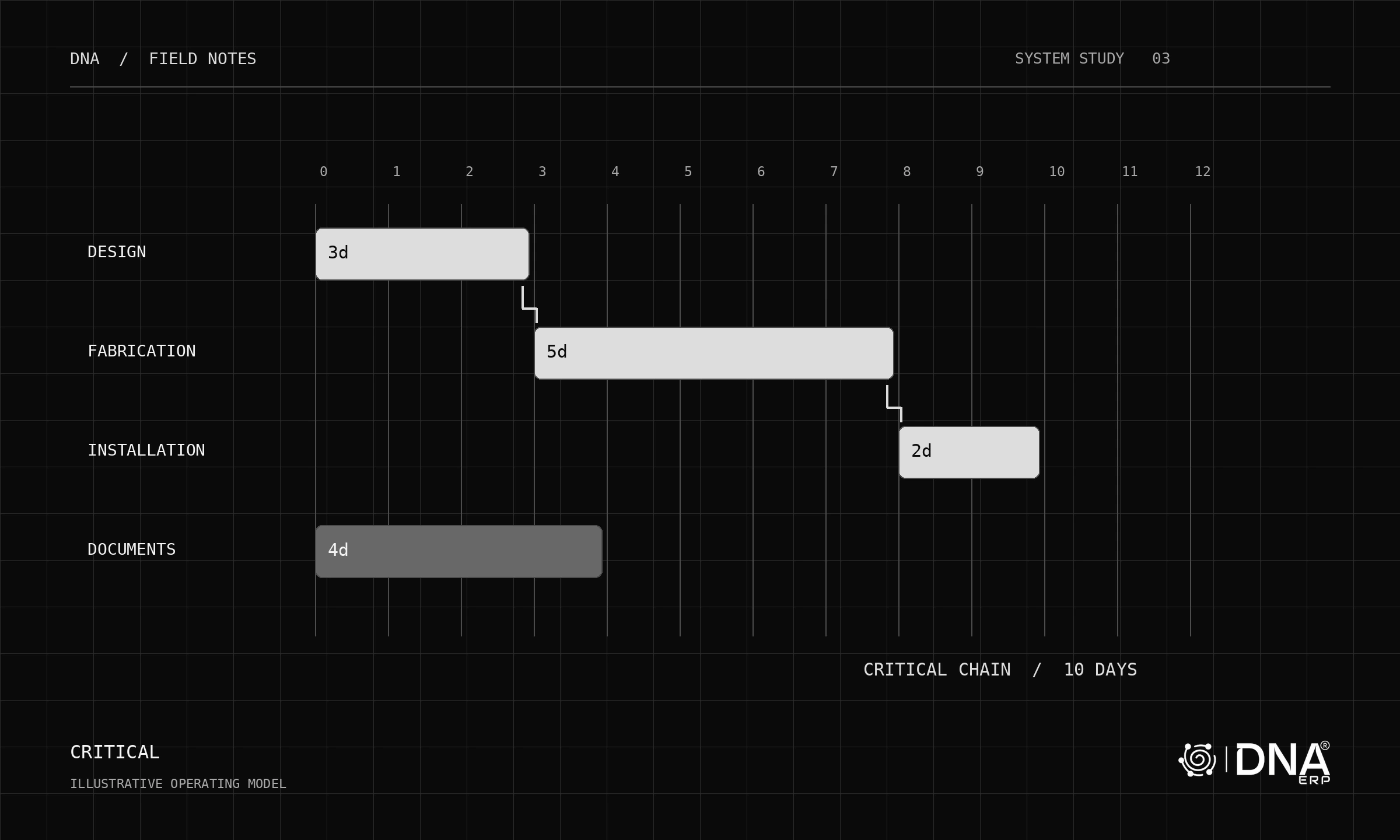
Change the expected receipt date. Then create a new order that cannot be fulfilled immediately. Observe how the team communicates the remaining quantity and revised delivery plan. This reveals more than a screen showing a large stock balance.
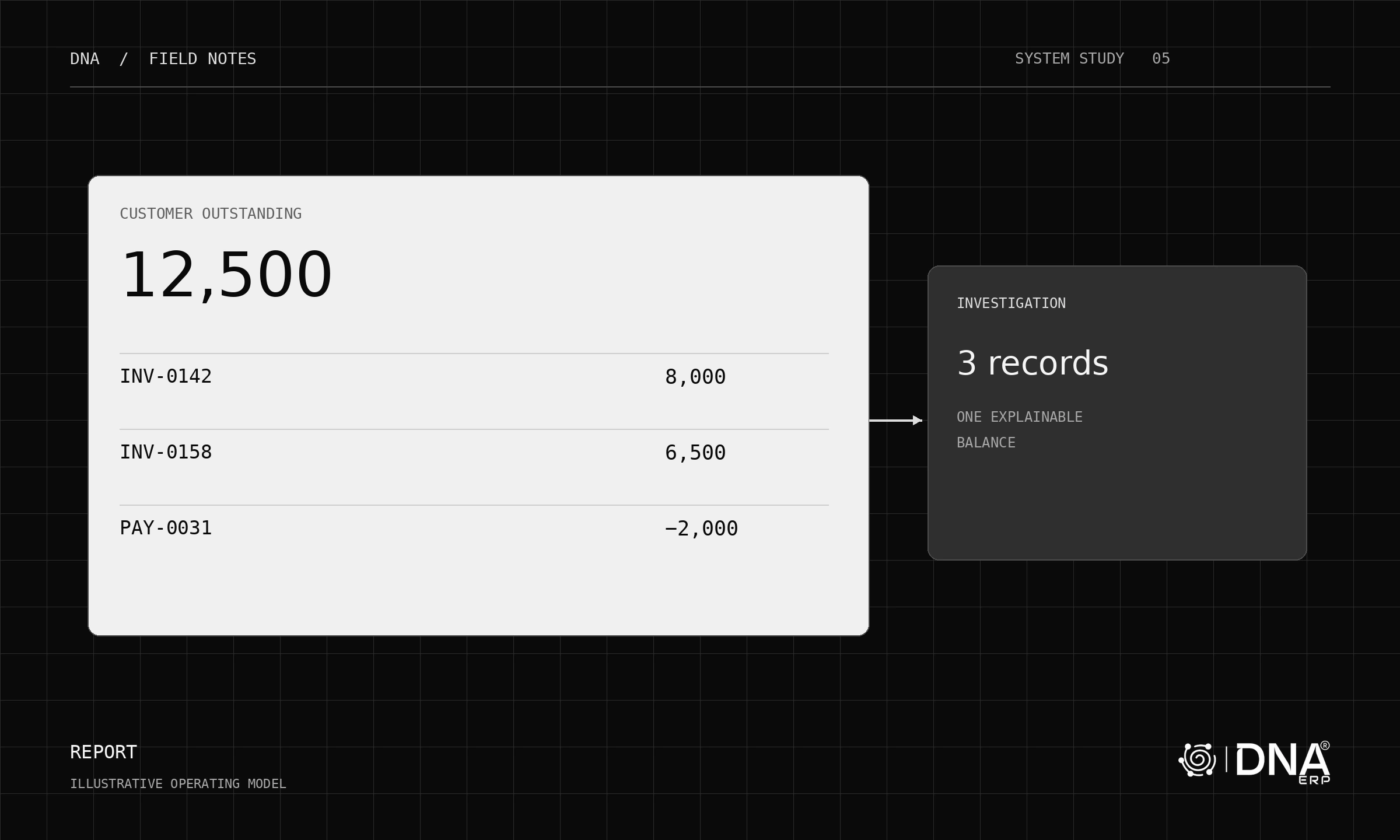
Inspect the customer position
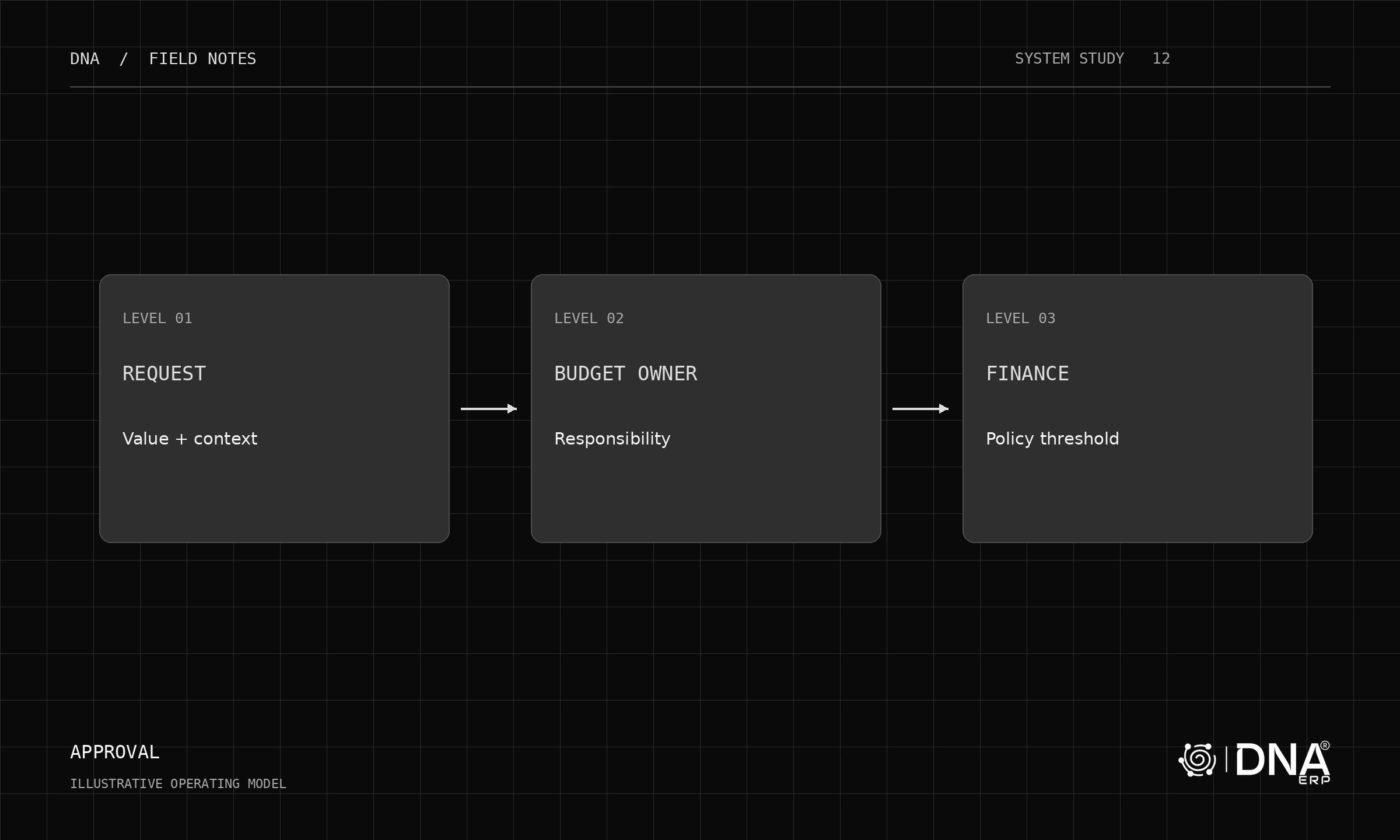
Review the outstanding balance and the configured credit or approval controls relevant to your process. Distinguish an overdue invoice from an order not yet invoiced. Decide who can approve an exception and what evidence they need.
Test quantities, currency and output
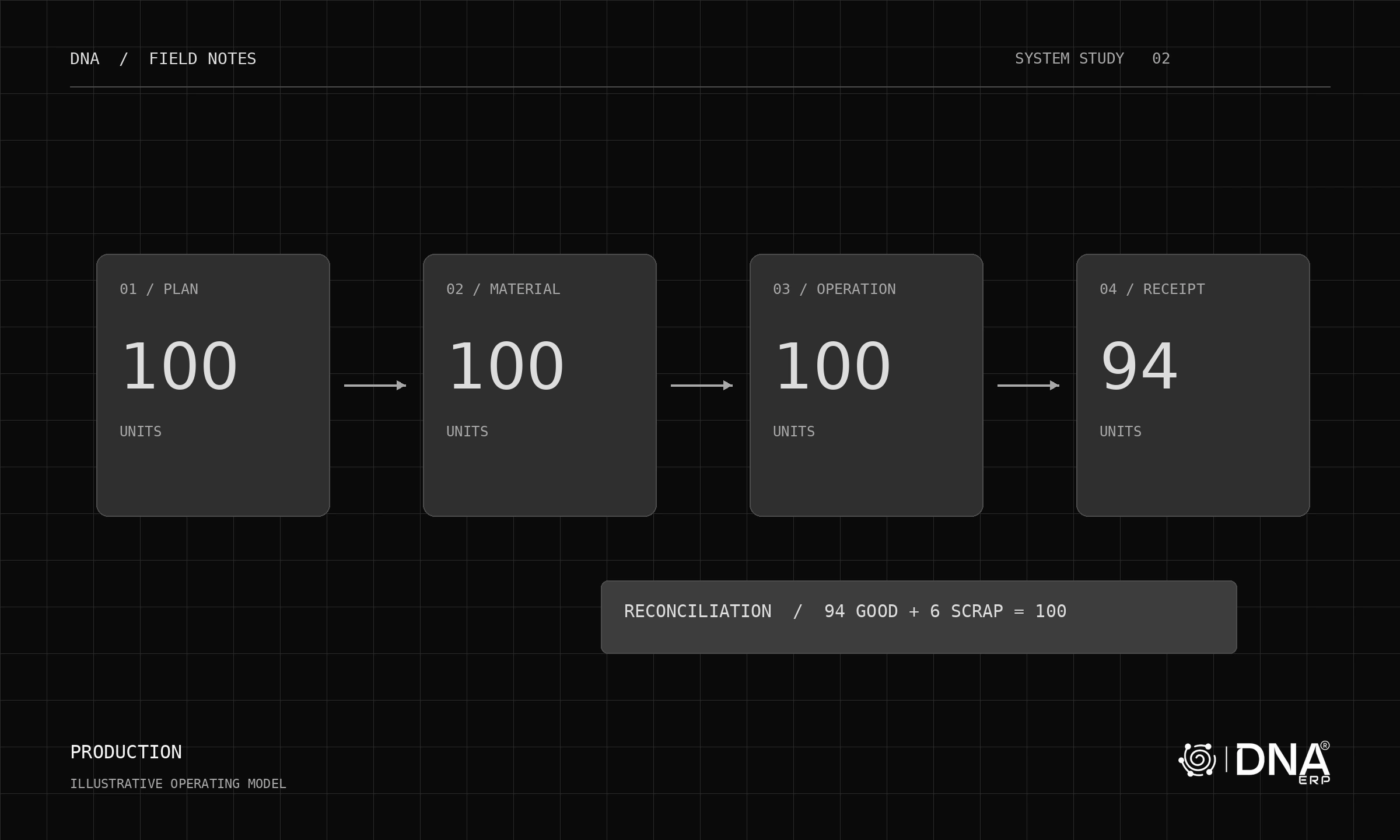
Use the units of measure and transaction currencies your business actually uses, including KWD presentation. Check rounding in the complete document chain and exported reports. Review Arabic and English documents with the people who send them to customers.
For applicable local financial and statutory requirements, define the scope with your advisers and require a demonstration of the proposed configuration. Verify local support arrangements directly.
Evaluate DNA as a connected workflow
Explore Inventory & Warehouse, Sales & CRM and Purchase & Procurement. Include a partial delivery and a return before accepting the scenario.
The outcome should be an agreed definition of availability and a clear process for exceptions. When sales and the warehouse can explain the same promise, the ERP is supporting a real operating decision.