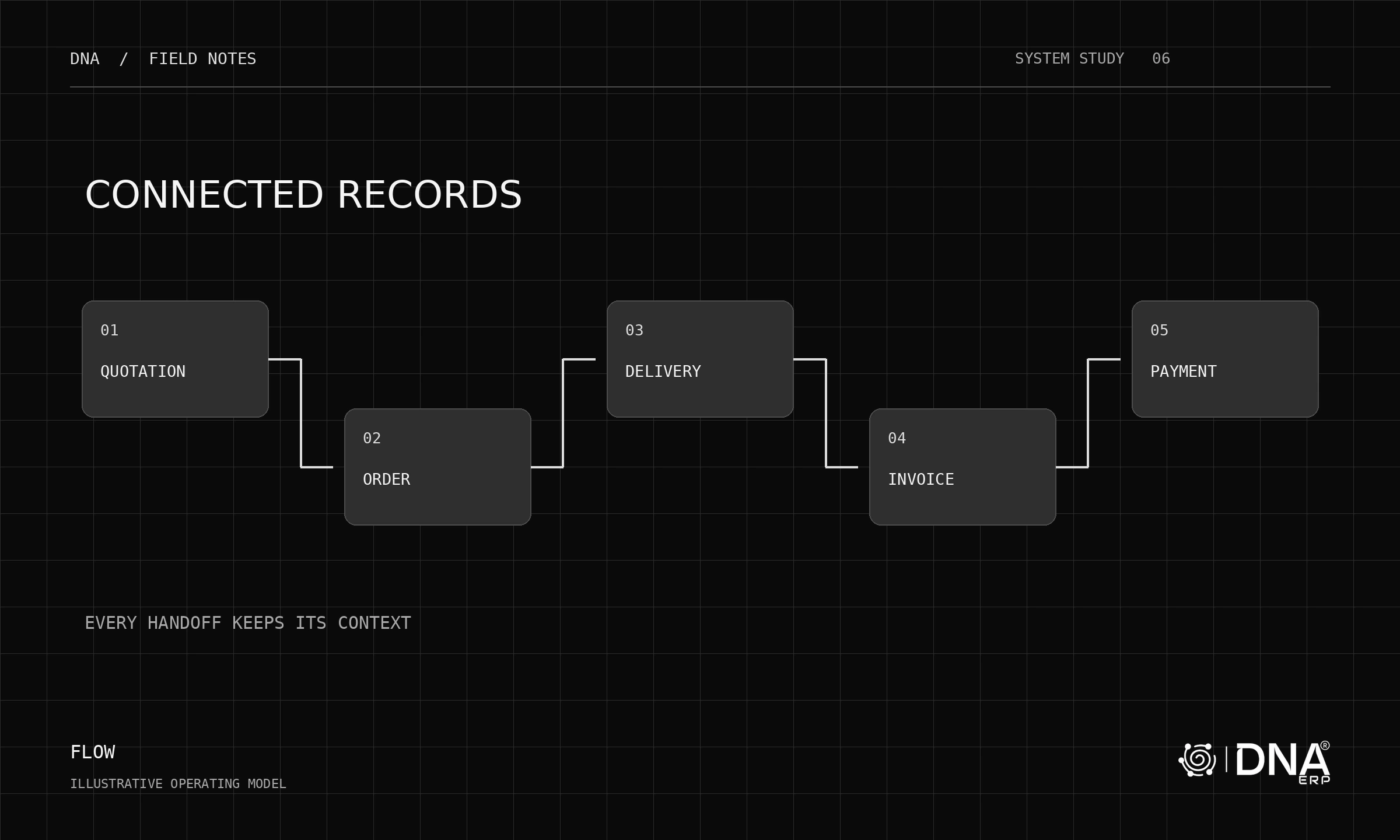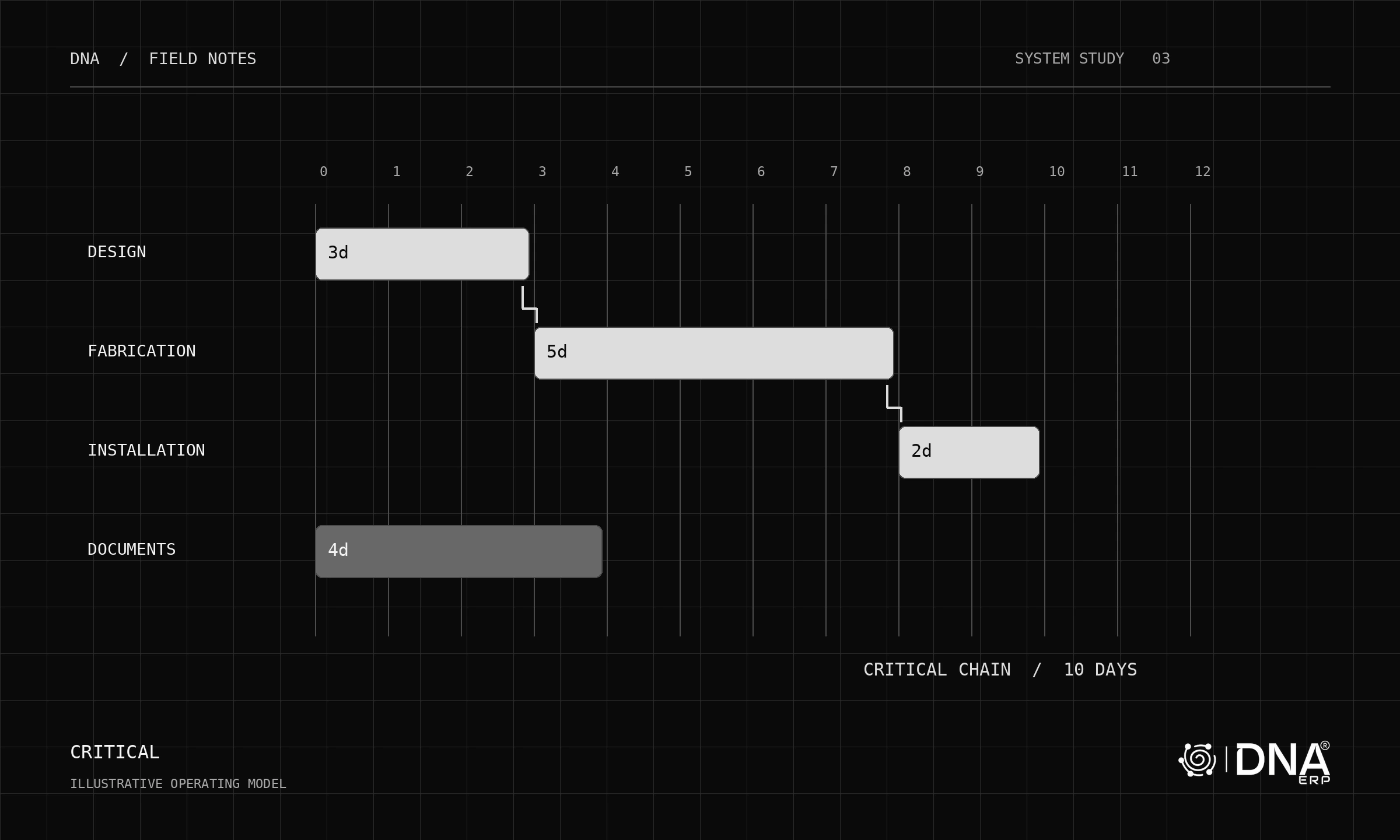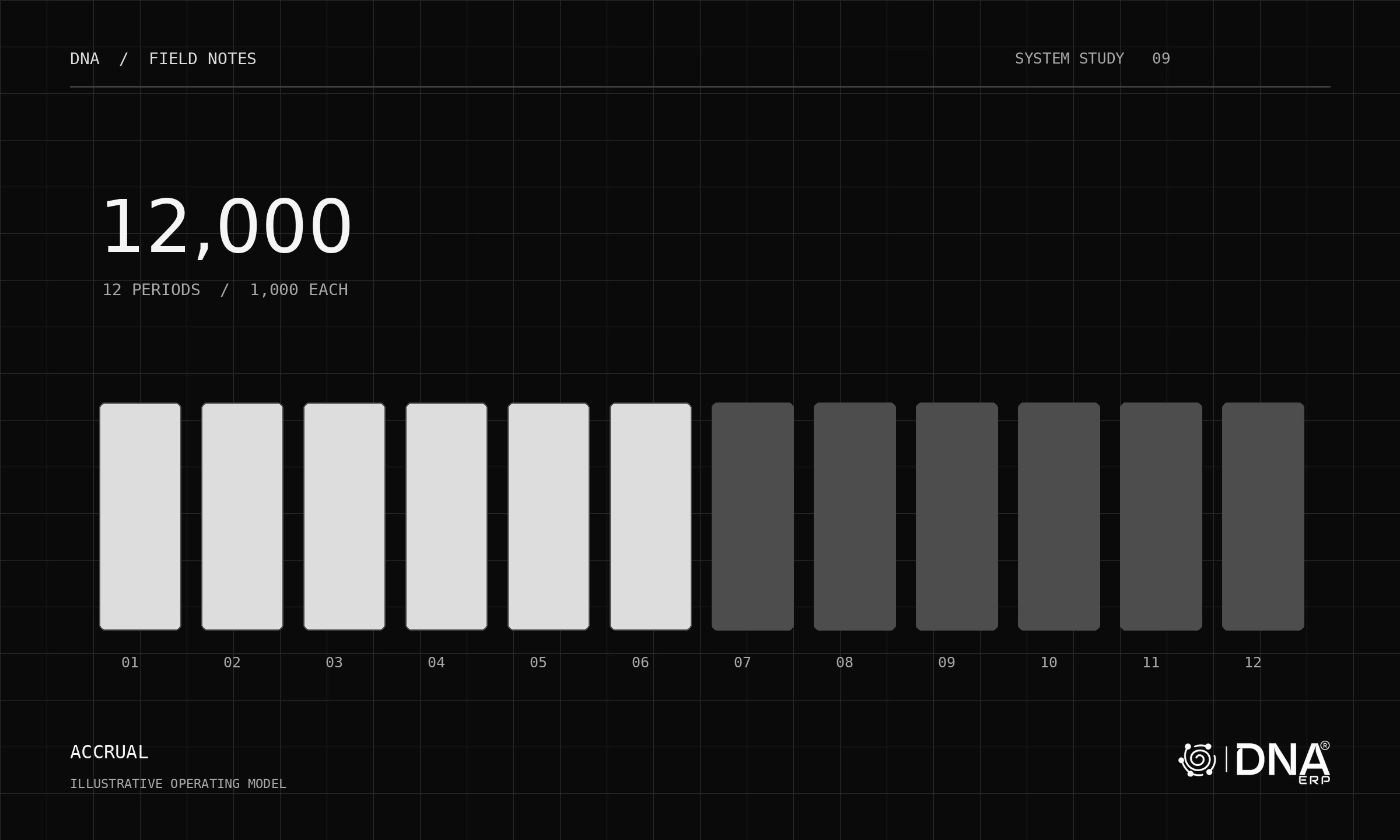
A manufacturing business can buy the same component twice and face a different cost position in each production run. Purchase terms, currency context, additional charges, actual consumption and good output all affect the explanation.
For an Egyptian manufacturer evaluating ERP, use one production scenario that connects those records. Avoid reducing the decision to a standalone inventory screen or a local invoice checkbox.
Follow a purchased component into production
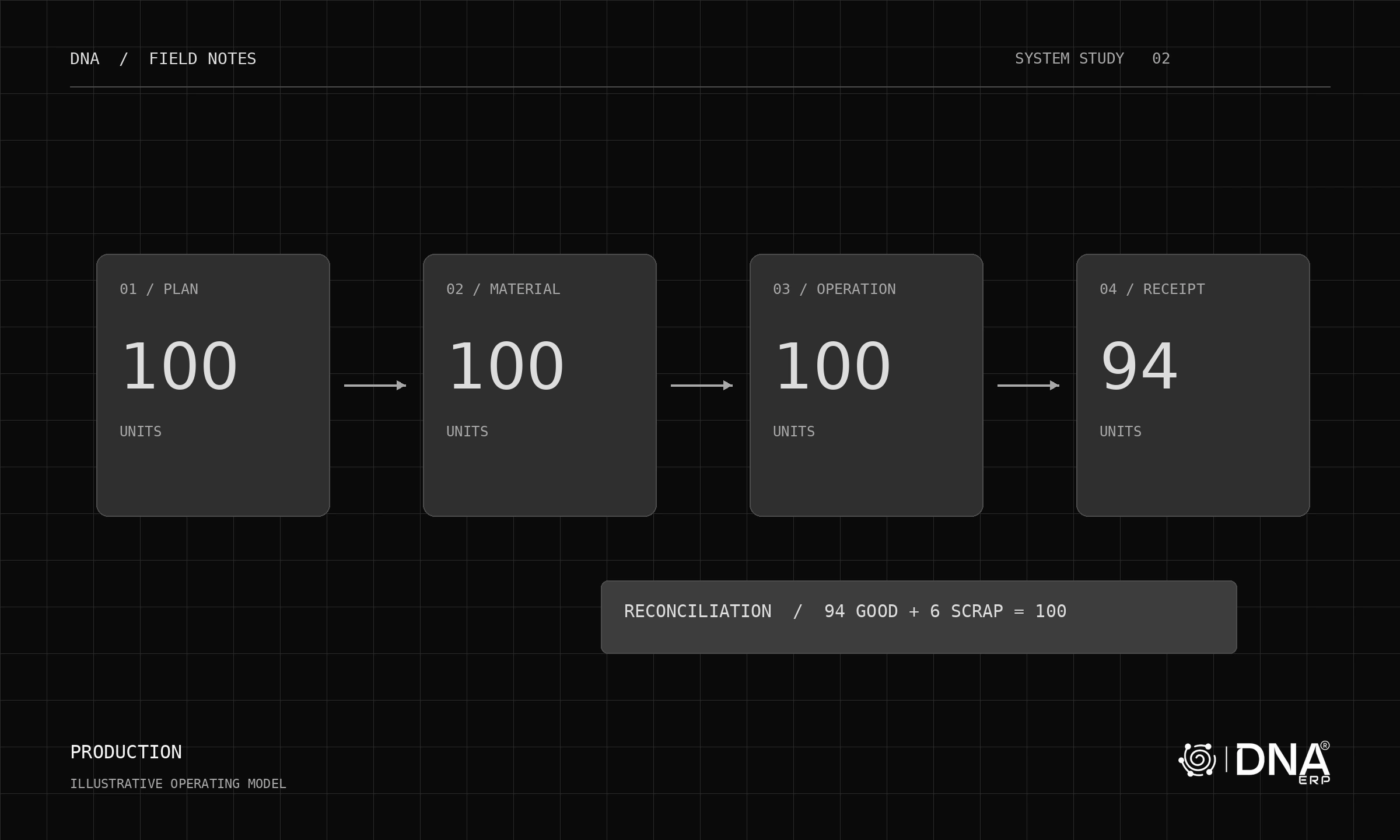
Create a sample purchase in the relevant supplier currency, receive the material, issue it to a production order and record the completed output. Keep quantities, units and references visible at every stage.
Compare the plan with actual consumption. In a demonstration, change the material quantity and the good output separately so the team can see which factor affects the result. Keep exchange-rate and settlement effects distinguishable from production usage differences.
Test a revised production definition
Change a component or operation for a future run and confirm which version belongs to each order. A revision should not silently make a historical comparison meaningless. Ask how the configured process handles orders already underway.
Assess local electronic-invoicing scope separately
The Egyptian Tax Authority publishes an eInvoicing and eReceipt SDK for integration documentation. Have your advisers establish the requirements applicable to your transactions, then request evidence of the proposed interface, validation and error handling.
Confirm what is included in the DNA implementation and what requires additional integration work. Do not equate an ERP-generated PDF with a completed authority-facing process.
Review the outcome with both teams
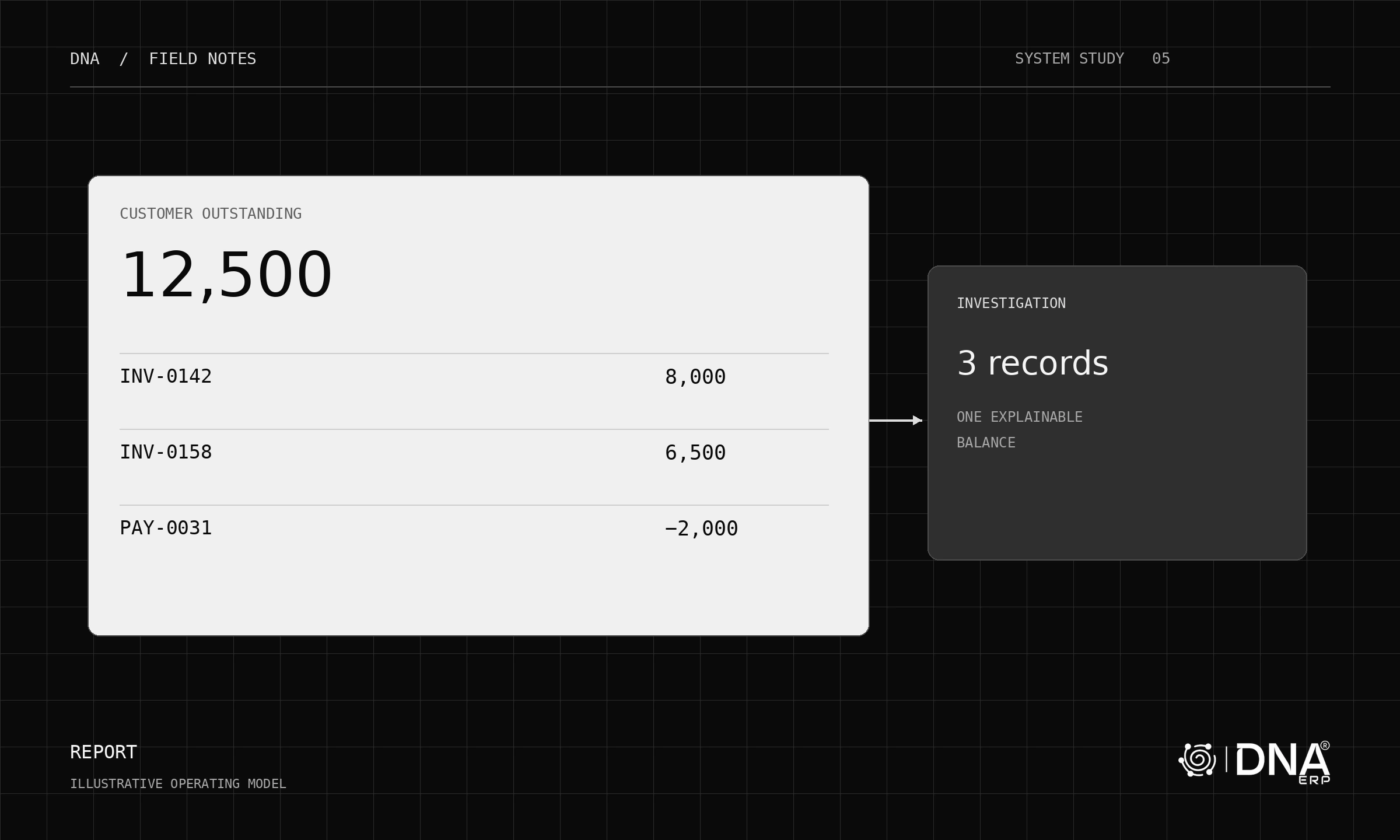
Production should be able to explain quantities and operations. Finance should be able to explain the recorded costs and balances. Use the same sample order for both reviews.
Explore Manufacturing, Purchase & Procurement and Banking & GL. Confirm Arabic usability, EGP and required foreign currencies, service arrangements and the agreed acceptance evidence before rollout.