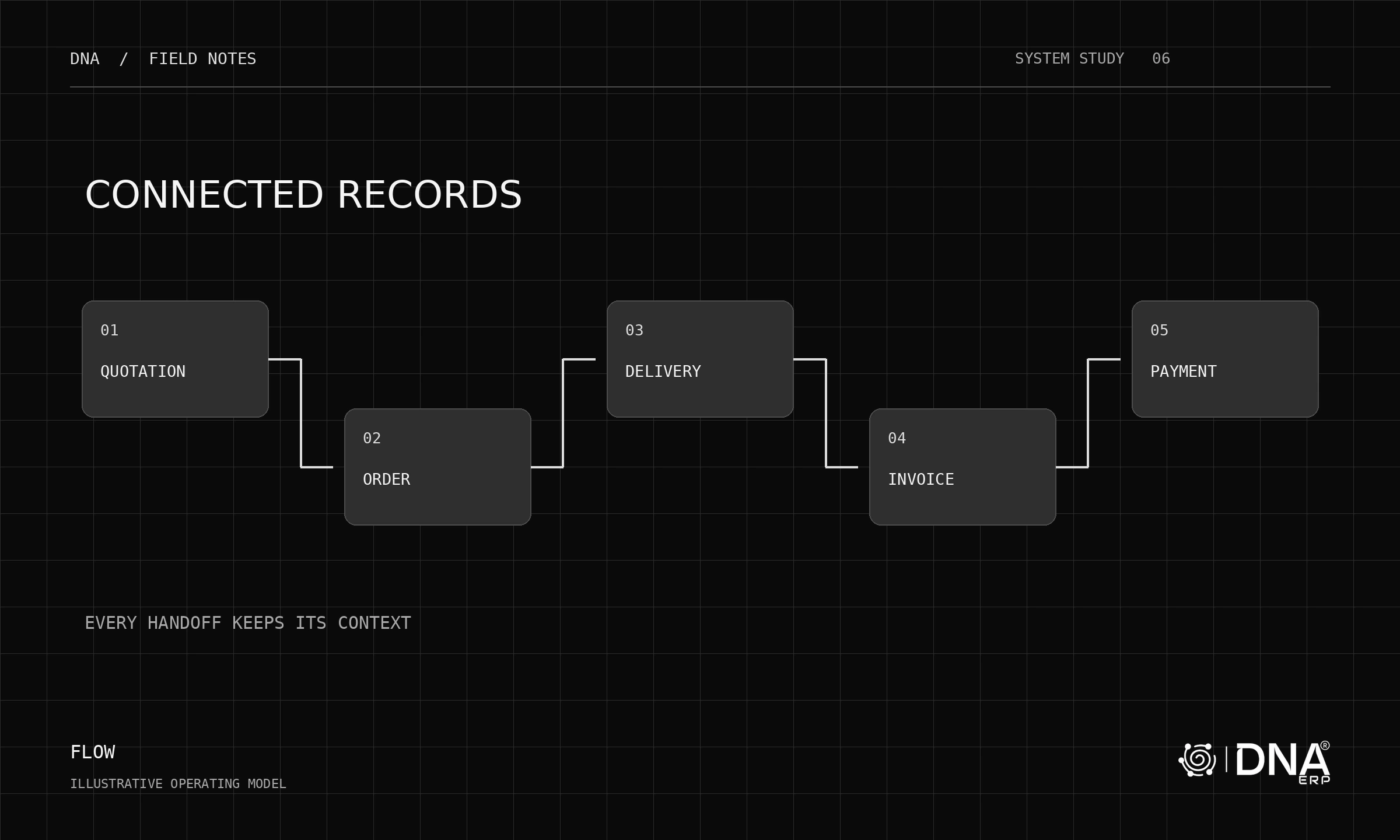
For a UK consultancy, engineering firm or project-led supplier, the ERP decision often turns on how well delivery and finance share the same commercial picture. A signed scope, a working schedule and a cost forecast should tell a consistent story.
Test the change request
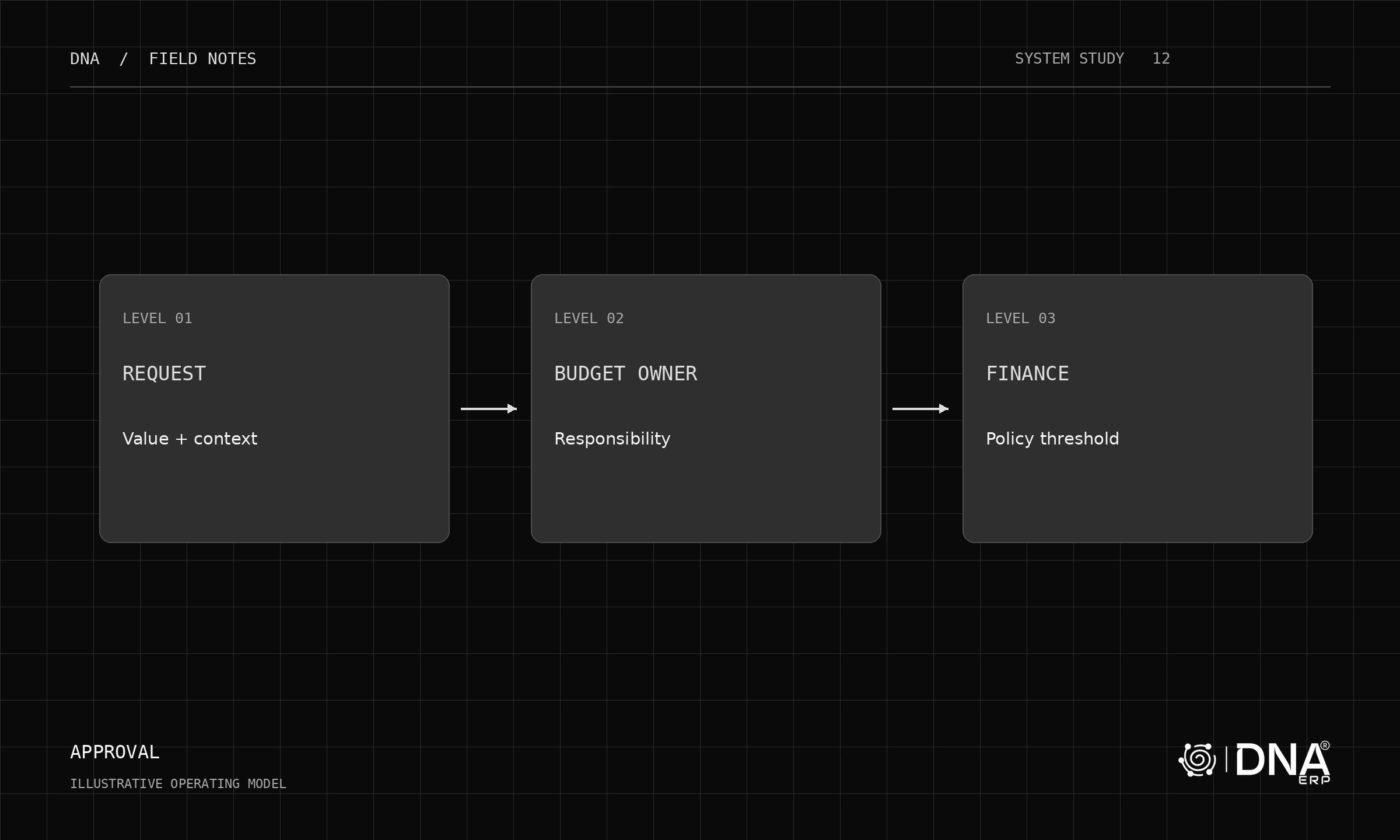
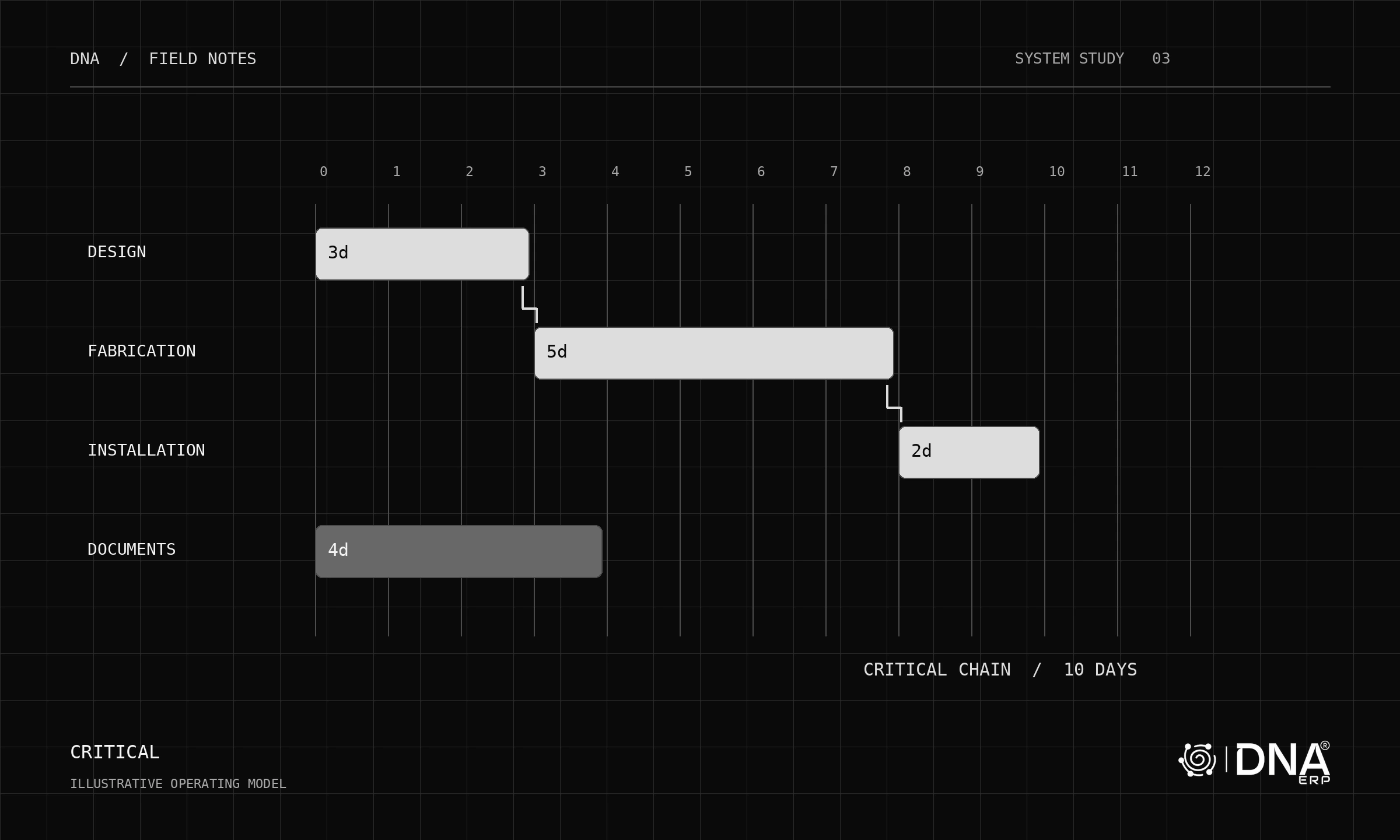
Begin with an agreed fixed-fee project. Add a client request that changes one deliverable and pushes a dependent task. Record whether the change is chargeable, who approves it and how the revised scope is communicated.
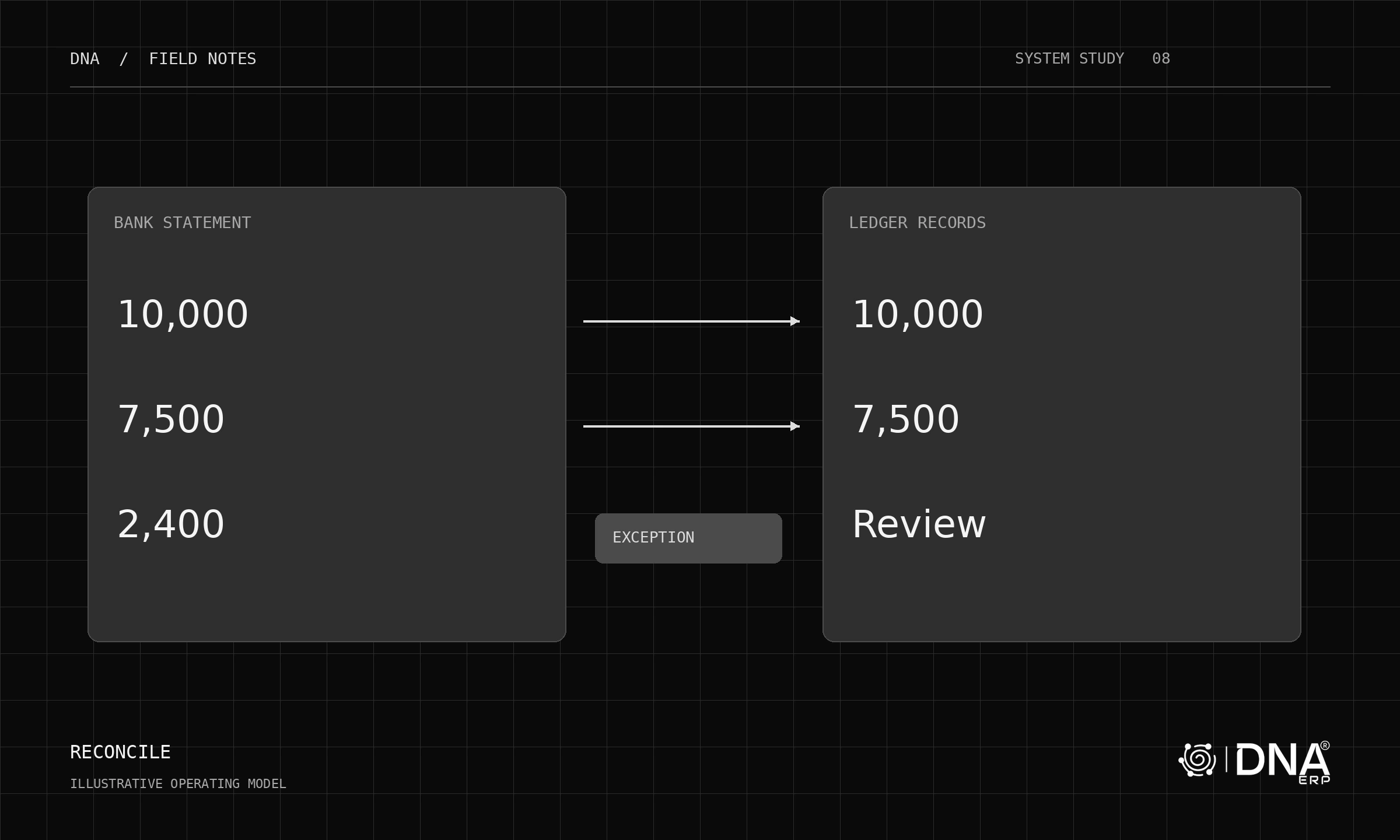
Then compare the project’s expected cost and billing position. The test should reveal whether the team can explain the effect before doing the additional work.
Review acceptance and evidence
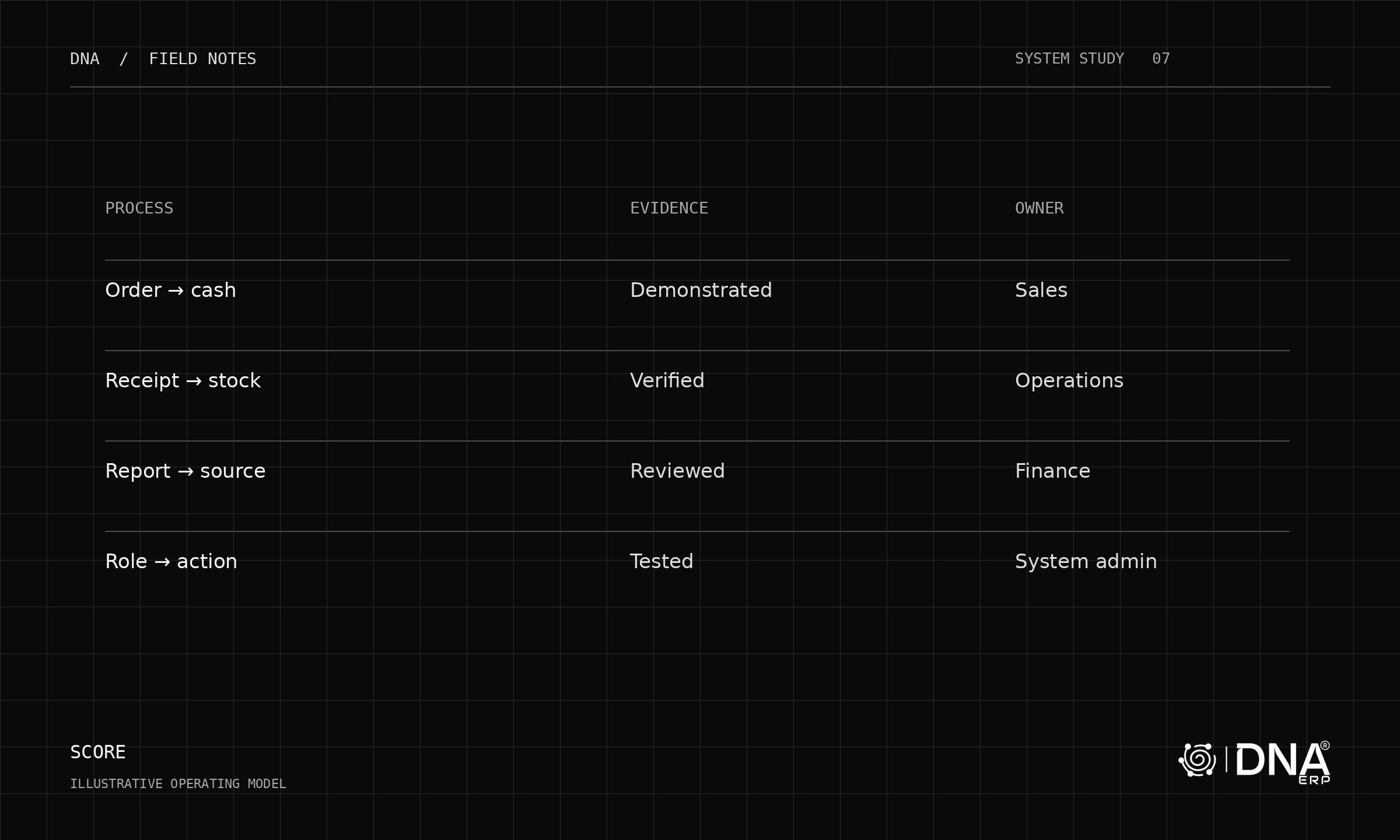
Define which milestone requires client approval and where the supporting document is kept. Check the customer-facing language, document version and next action. A task marked complete internally should not be confused with a commercially accepted deliverable.
Keep reporting definitions stable
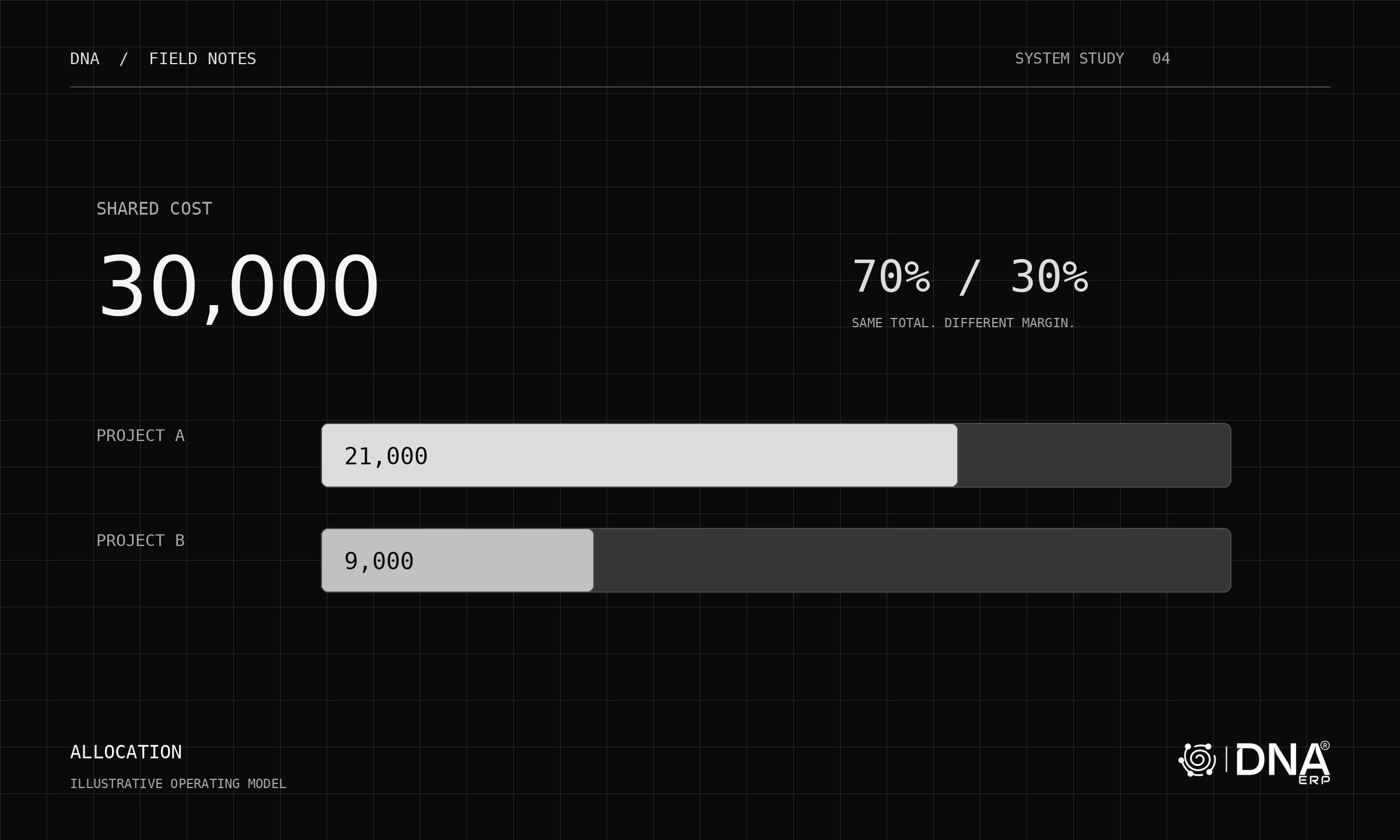
Use the same period and project scope when comparing budget, actual and forecast. Separate margin from cash collection. Test a late customer payment alongside an on-time delivery so the dashboard does not imply they are the same outcome.
Confirm the deployment requirements
Review GBP and other transaction currencies, date presentation, user access, data-handling terms and integration needs. Establish applicable UK accounting and tax requirements with advisers and request evidence for the specific interfaces proposed. Do not infer statutory coverage from an English-language product.
Explore Projects & Tasks, Budget & Cost Centers and Communication Center. Confirm current UK implementation and support arrangements directly with the DNA team. Use the change-request scenario as an acceptance test, not only as a sales demonstration.